Bali is globally recognized as the "Island of the Gods," a vortex of spiritual energy that draws seekers from every corner of the earth. While many come for the Asanas of Hatha or Vinyasa, a growing number of practitioners are seeking the "Internal Martial Arts" to complement their yoga journey. At ADDA YOGA Bali, we …
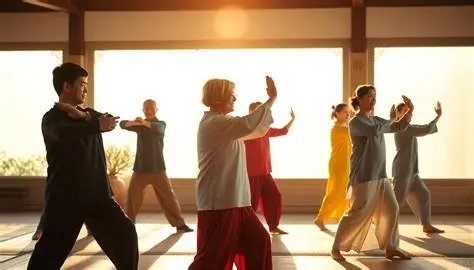
Bali is globally recognized as the “Island of the Gods,” a vortex of spiritual energy that draws seekers from every corner of the earth. While many come for the Asanas of Hatha or Vinyasa, a growing number of practitioners are seeking the “Internal Martial Arts” to complement their yoga journey.
At ADDA YOGA Bali, we often receive a specific question from guests staying in private villas: “What is the difference between Tai Chi and Qigong, and which one will help me find my ‘Zen’ faster?”
As a private practitioner and instructor, I have spent years refining the nuances of these sister arts. While they both fall under the umbrella of Moving Meditation, their pathways to health, vitality, and Qi (life force energy) are distinct. This guide will help you choose the practice that aligns with your personal wellness goals.
Understanding the Roots: The Philosophy of Flow
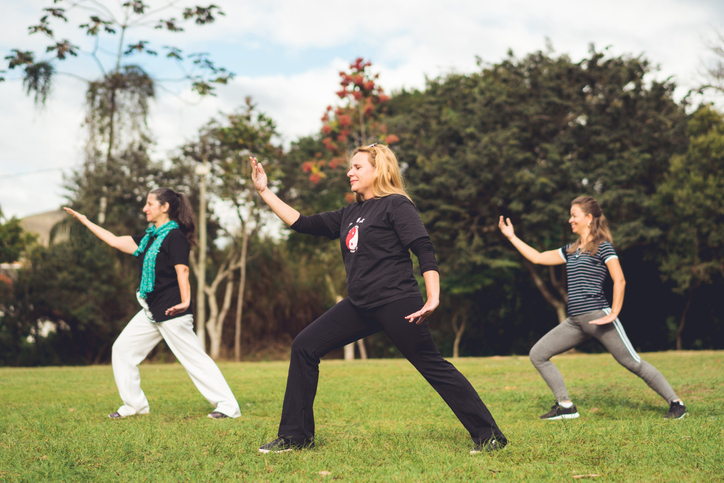
To choose between Tai Chi and Qigong, we must first understand their lineage. Both originate from ancient Chinese tradition, rooted in the principles of Taoism and Traditional Chinese Medicine (TCM).
What is Qigong?
Qigong (pronounced “chee-gong”) is the grandfather of all Chinese energy arts. The name is a combination of two words: “Qi” (vital energy) and “Gong” (work or skill). Together, it means “cultivating energy.”
Qigong is a system designed specifically for health, healing, and spiritual cultivation. It involves repetitive movements, focused breathwork, and visualization to clear blockages in the body’s meridians (energy channels).
What is Tai Chi?
Tai Chi (Taiji Quan) is often described as “Meditation in Motion,” but it is technically a Martial Art. While it looks like a slow-motion dance, every movement has a hidden self-defense application. It is a specific “form” or “choreography” that combines balance, weight shifting, and flowing transitions to harmonize the body’s Yin and Yang energies.
The Core Differences: A Comparison for the Mindful Practitioner
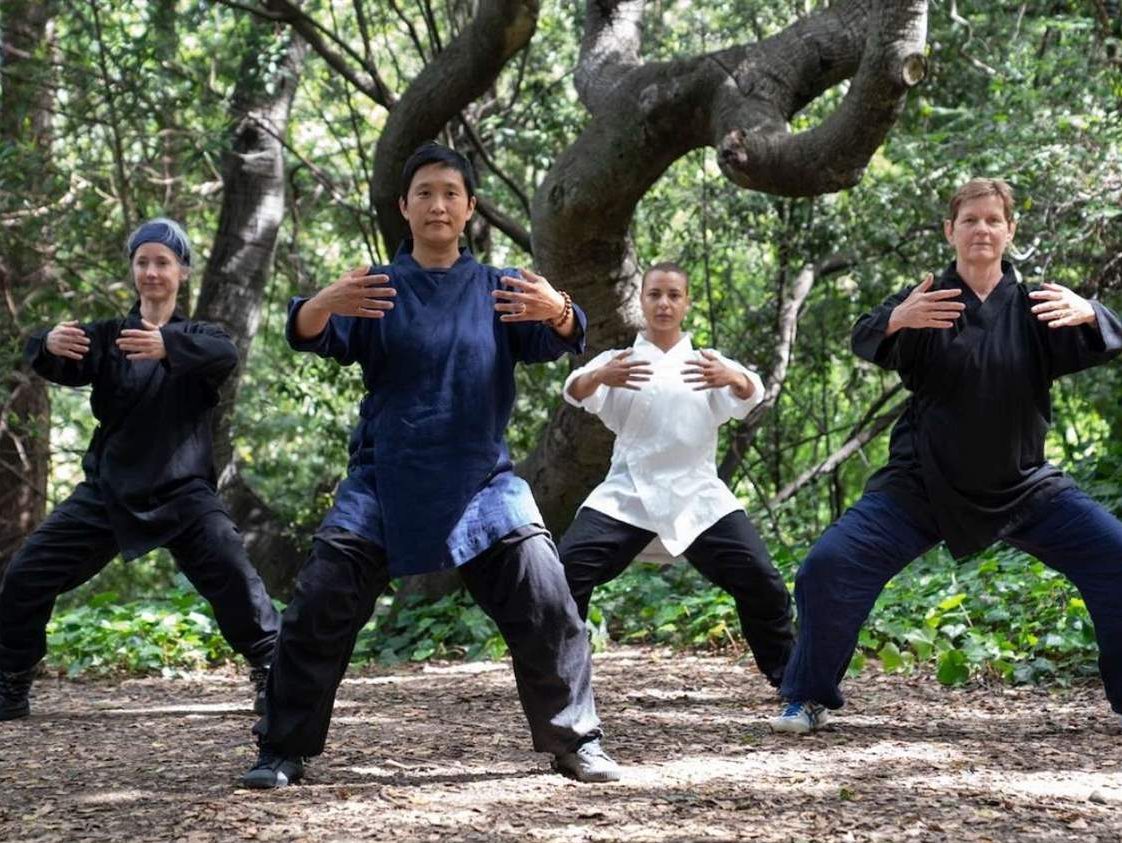
While both practices focus on the breath and the present moment, the “flavor” of the experience varies significantly.
| Feature | Qigong (The Cultivator) | Tai Chi (The Warrior-Sage) |
| Complexity | Simple, repetitive movements. Easy to learn in one session. | Complex choreography (forms). Requires memory and long-term study. |
| Focus | Internal healing, organ health, and energy “cleansing.” | Balance, structural alignment, and flowing transitions. |
| Space Needed | Can be practiced standing in one spot (perfect for small villa decks). | Requires space to move forward, backward, and sideways. |
| Philosophy | Direct energy cultivation through the “Three Regulations” (Body, Breath, Mind). | Harmonizing opposites (Yin/Yang) through martial application. |
Which One is Right for You?
Choose Qigong If…
- You are recovering from an injury: Qigong is exceptionally gentle. Because movements are often isolated and repetitive, you can easily adapt them to your physical limits.
- You want a “Quick Reset”: If you have a busy schedule in Bali, a 15-minute Qigong session can instantly lower cortisol levels and move you from “fight or flight” into “rest and digest.”
- You are focused on Internal Health: Qigong specifically targets the health of internal organs (Heart, Liver, Kidneys) through targeted stretches and sounds.
Choose Tai Chi If…
- You want to improve Balance and Cognition: Learning a Tai Chi “Form” (like the 24-step Short Form) is a workout for the brain as much as the body. Studies show it significantly improves neuroplasticity and physical stability.
- You enjoy a “Flow State”: There is a unique moving meditation achieved when you link 20+ movements together in one continuous, unbroken stream.
- You want to complement your Yoga: Tai Chi teaches “rooting” (connecting to the earth) in a way that can profoundly improve your standing yoga poses like Warrior II or Tree Pose.
Practicing in Bali: The Elemental Advantage
In Bali, we are surrounded by the five elements. When you practice Tai Chi or Qigong in a private setting—perhaps overlooking the rice fields of Ubud or the cliffs of Uluwatu—the environment becomes your greatest teacher.
- Air (Prana/Qi): The high oxygen levels and humidity in Bali make breathwork (Pranayama/Tu-Na) more effective, allowing the lungs to expand and the Qi to circulate more freely.
- Water: The “flow” of Tai Chi mirrors the Balinese reverence for water. Many practitioners find that practicing near a pool or the ocean helps them visualize the fluid, “water-like” movements required in Tai Chi.
- Earth: Practicing barefoot on the grass of your villa helps with “Earthing” or “Grounding,” which is essential for the Yongquan (Bubbling Spring) point on the soles of the feet—a primary energy gate in Chinese medicine.
Safety and Methodology: The Practitioner’s Advice
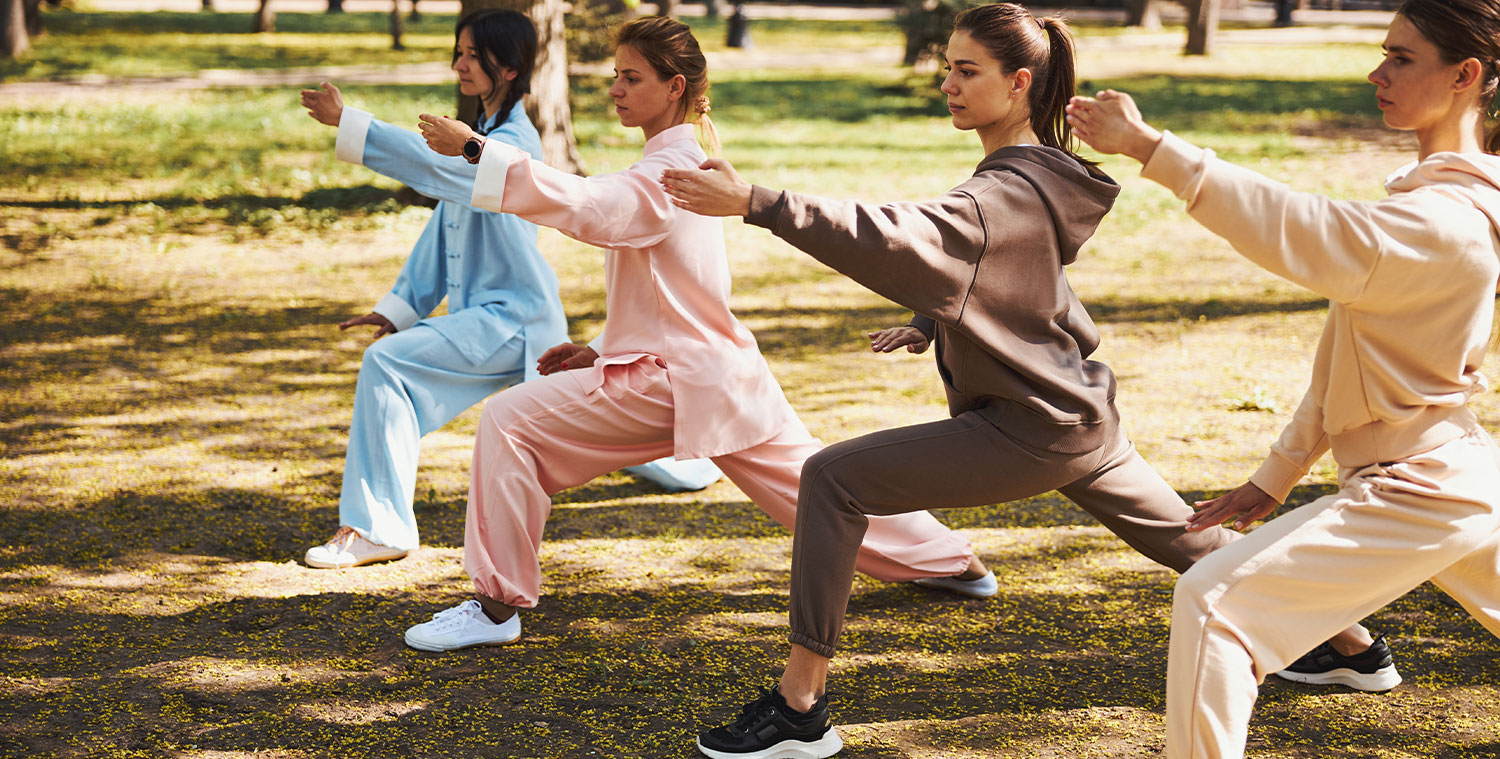
As an instructor, my primary goal is “Ahimsa” (non-harming). Even though these practices are low-impact, they require correct structural alignment to protect the joints.
- The “Knee-Toe” Rule: In Tai Chi, never let your knee extend past your toes. This protects the patella during weight shifts.
- The Suspended Crown: Always imagine a golden thread pulling the crown of your head toward the sky. This elongates the spine and allows the nervous system to relax.
- Avoid “Double-Weightedness”: Tai Chi teaches us to keep our weight clearly on one leg or the other (Empty vs. Full). This is the secret to the legendary balance of Tai Chi masters.
Frequently Asked Questions

- Is Tai Chi better than Yoga for seniors?
Both are excellent, but Tai Chi is often preferred for those with limited mobility or joint pain. Because Tai Chi is performed entirely standing (usually) and involves no “downward dogs” or floor work, it is more accessible for individuals with wrist or shoulder issues.
- Can I learn Tai Chi or Qigong online?
You can learn the movements online, but the internal work (Neigong) is best learned from a certified practitioner. A teacher can correct subtle misalignments in your posture that might otherwise block your energy flow or cause joint strain.
- How long does it take to feel the benefits of Qigong?
Most practitioners feel a sense of “tingling,” warmth, or profound relaxation after their very first session. This is the “Qi sensation.” For long-term health benefits, a daily 10-minute practice is recommended.
- Is Tai Chi a religious practice?
No. While it has roots in Taoist philosophy, Tai Chi is a health system and a martial art. It is practiced globally by people of all faiths as a way to harmonize the body and mind.
- Why is Tai Chi practiced so slowly?
We practice slowly to build muscle memory and awareness. By moving slowly, you can feel exactly where your body is holding tension. Once the tension is identified, it can be released. “To move fast, you must first learn to move slow.”
Elevate Your Bali Experience with ADDA YOGA
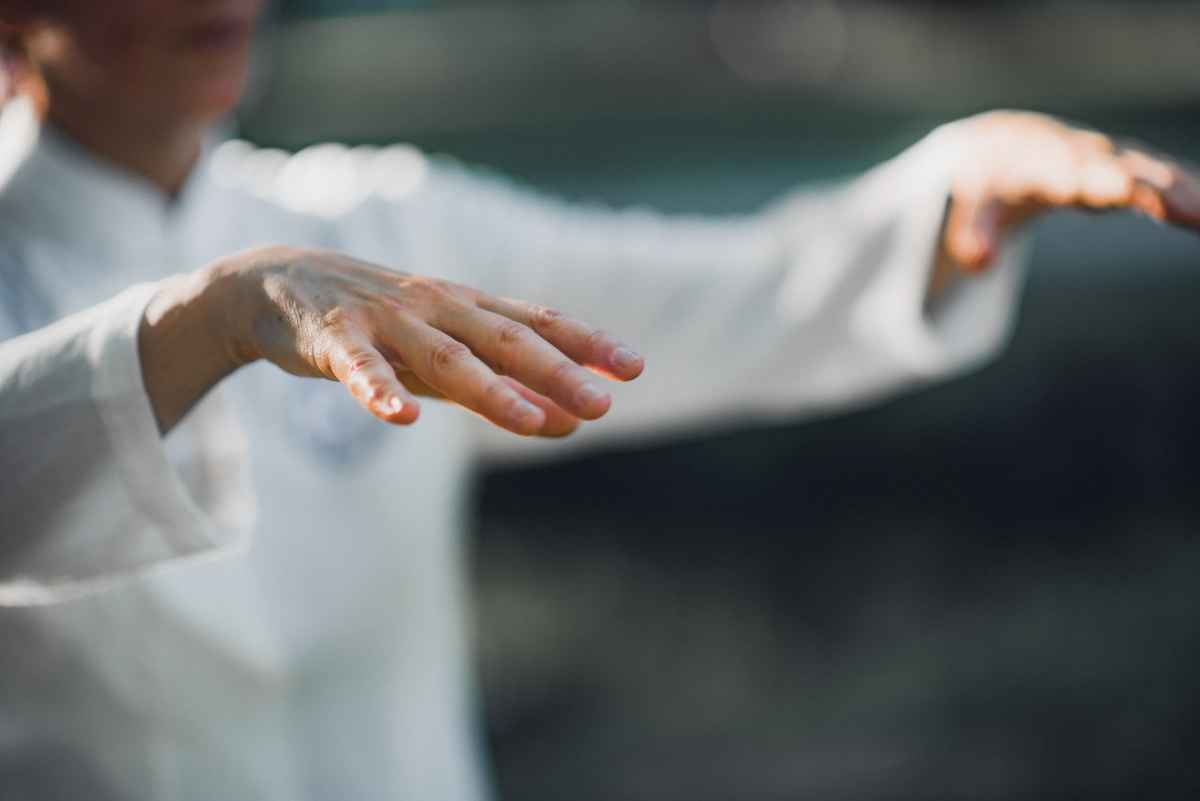
At ADDA YOGA Bali, we specialize in bridging the gap between ancient Eastern wisdom and the modern seeker. Our private sessions are designed to meet you where you are—whether you are looking for the meditative stillness of Qigong or the powerful, disciplined flow of Tai Chi.
Choosing a private practitioner ensures that your practice is tailored to your specific body type, energy level, and health history. We bring the studio to your villa, creating a sacred space for transformation.
Check our wellness and spiritual events in Bali, Canggu : Sound healing, Cacao ceremony, Kundalini activation , Reiki, Full moon ceremonies, Kirtan , breathwork , and much more !
Your Next Step Toward Balance
The journey of a thousand miles begins with a single, mindful breath. Whether you choose the healing simplicity of Qigong or the intricate dance of Tai Chi, you are choosing a path of longevity and peace.
Website: www.addayogabali.com
Contact: addaflowyoga@gmail.com
Address (Studio): Jl. Kayu Manis, Canggu, Kec. Kuta Utara, Kabupaten Badung, Bali 80351