Congratulations! You’ve spent the last few weeks in a deep state of Tapas (discipline), rising before the sun, mastering complex asanas, and diving into the profound depths of yoga philosophy. Graduating from a Yoga Teacher Training (YTT) is a significant achievement—it is the moment your journey as a teacher officially begins.However, many students find the …
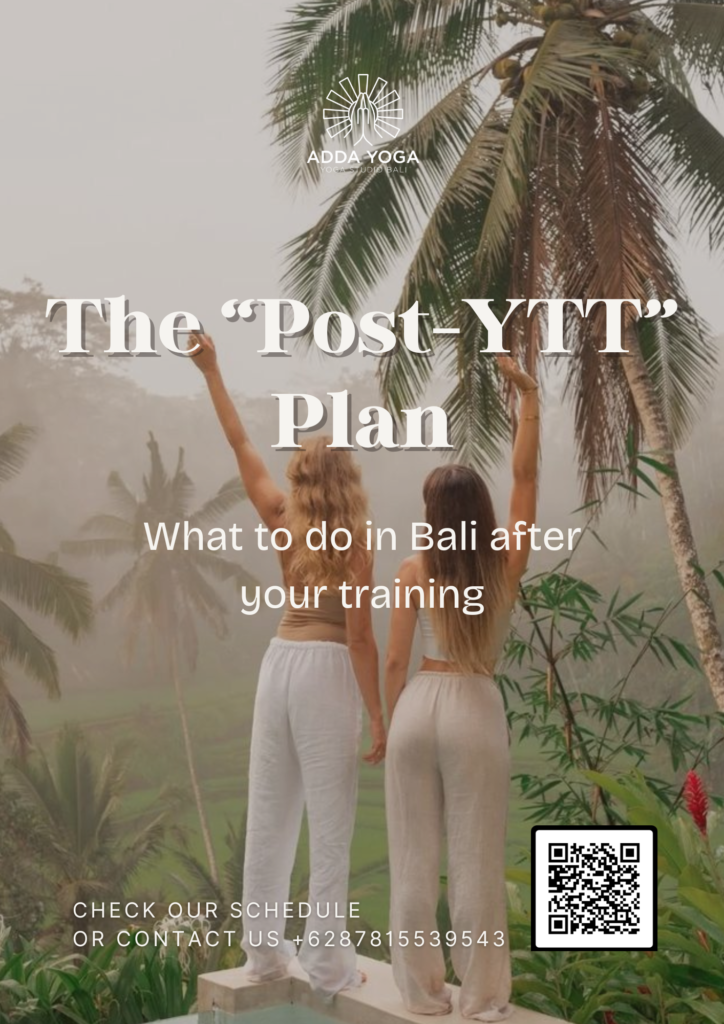
Congratulations! You’ve spent the last few weeks in a deep state of Tapas (discipline), rising before the sun, mastering complex asanas, and diving into the profound depths of yoga philosophy. Graduating from a Yoga Teacher Training (YTT) is a significant achievement—it is the moment your journey as a teacher officially begins.
However, many students find the immediate transition back to “real life” a bit jarring. The energy of an intensive immersion is powerful, and jumping straight onto a plane can often result in a “post-YTT crash.”
In Bali, we call the period following a training “the integration phase.” It is the time to let the teachings settle into your bones and to transition from being a student to a practitioner of the lifestyle. Here is our expert guide on how to spend your first week as a certified yoga teacher in the most restorative and inspiring way possible.
1. The Art of Integration: Slow Down in Ubud

While your YTT may have taken place in a bustling area like Canggu or on the coast, Ubud remains the spiritual heart of Bali for a reason. It is the perfect place to decompress.
- Digital Detox: After weeks of following a strict schedule, give yourself 48 hours without an alarm clock or social media. Stay in a quiet Joglo, a traditional wooden house, overlooking the rice paddies.
- Reflective Journaling: Use this time for Svadhyaya, or self-study. Reflect on your favorite teaching cues, the moments that challenged you, and the kind of teacher you envision becoming.
- Gentle Movement: Your body might be physically exhausted from the intensive practice. Instead of a strong Vinyasa, opt for a Restorative or Yin Yoga class at a local studio to soothe your nervous system.
2. Ritual and Purification: Tirta Empul
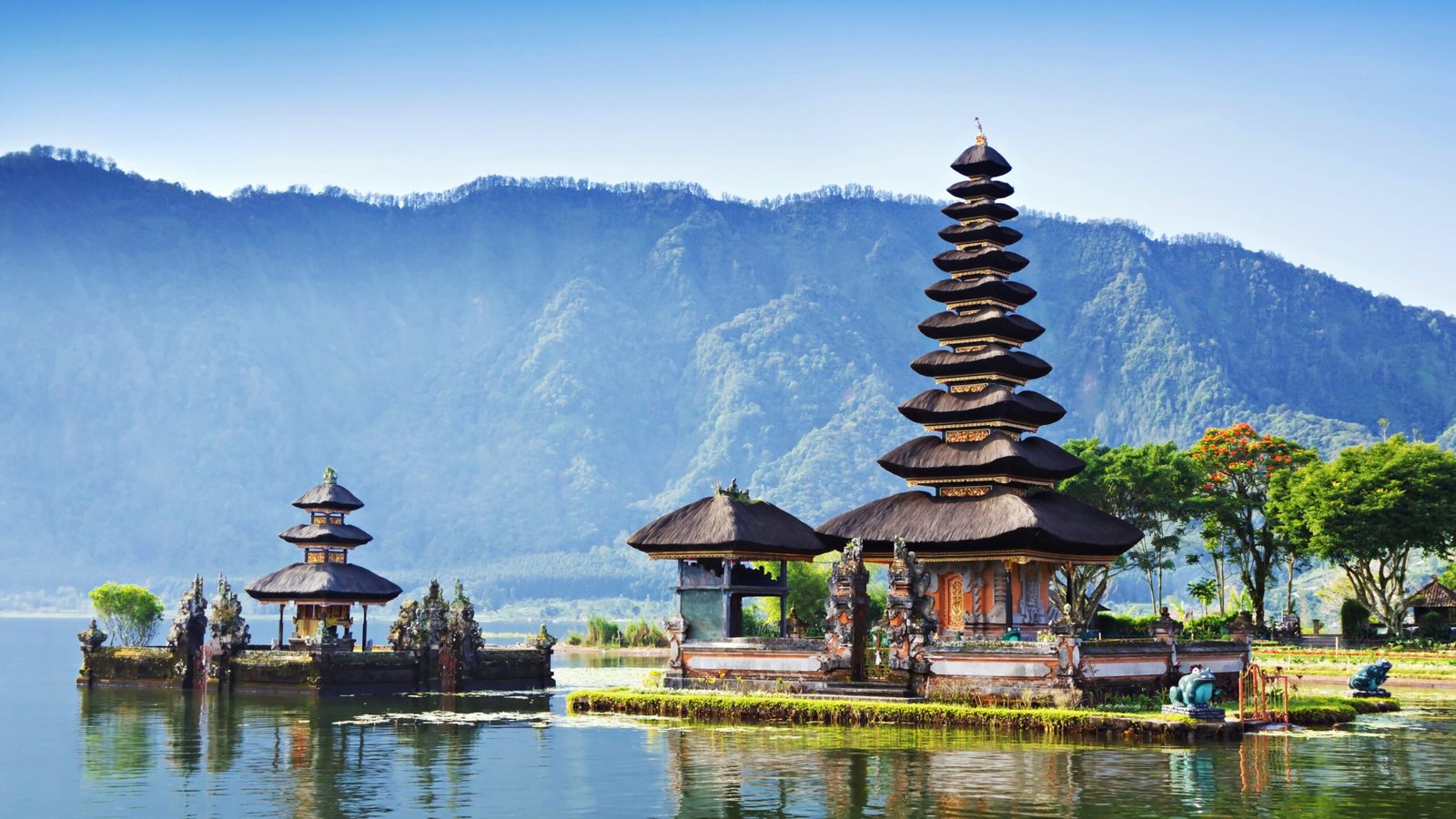
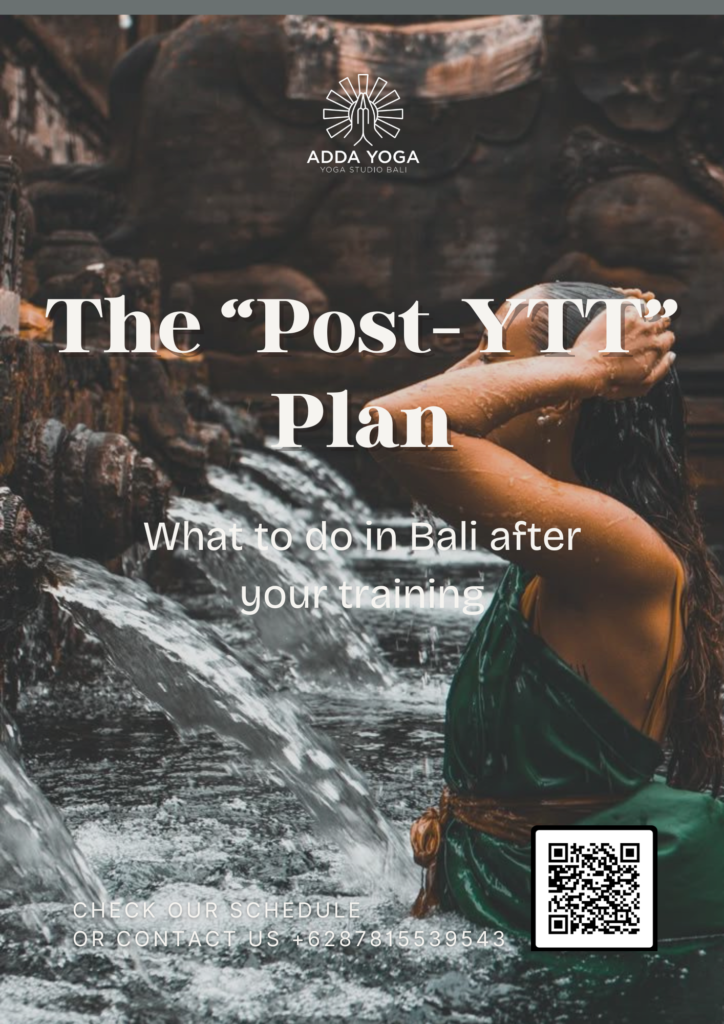
In Bali, spiritual milestones are often marked by water. Visiting Pura Tirta Empul, the holy water temple near Tampaksiring, is a profound way to “seal” your journey.
Participating in a Melukat purification ritual allows you to symbolically wash away the old layers of yourself that you shed during training. As you move through the fountains of spring water, set an intention for your future students and your own continued path as a lifelong learner. This cultural immersion adds a layer of depth to your certification that transcends the physical certificate.
3. Experience a Silent Retreat
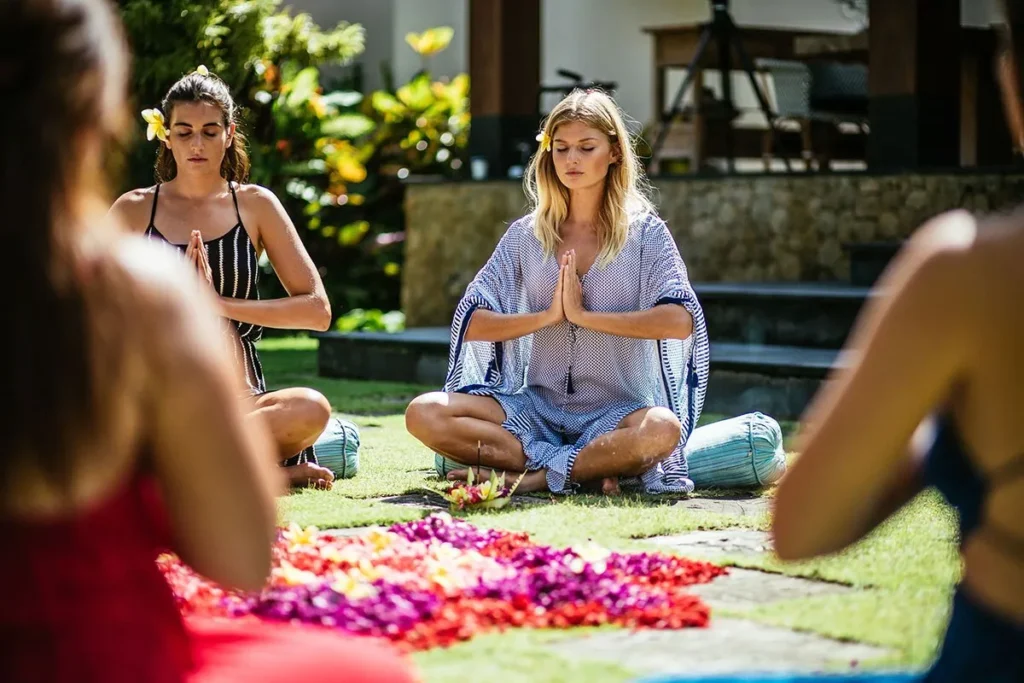
If you feel that your mind is still “noisy” with anatomy terms and Sanskrit names, consider a 3-day Silent Retreat. Locations in Tabanan or north of Ubud offer environments where Mauna silence is the primary practice.
Silence is a powerful tool for integration. It allows the mental “dust” to settle, giving you the clarity to process the emotional shifts that often occur during a 200-hour or 300-hour training. Without the need to socialise or explain your experience, you can simply be.
4. North Bali: The Path Less Traveled
For those seeking true tranquility away from the tourist hubs, head north to Lovina or Munduk.
- Munduk: High in the mountains, the air is crisp and cool—a welcome relief after the humidity of the coast. The jungle hikes and waterfalls provide a moving meditation that grounds your energy.
- Tejakula: This area is home to some of Bali’s most authentic healing centers. It’s an ideal spot for an Ayurvedic consultation or to simply sit by the black sand beaches and watch the sunrise, practicing Pranayama in peace.
5. Community and Connection: Visit a Sound Healing Dome
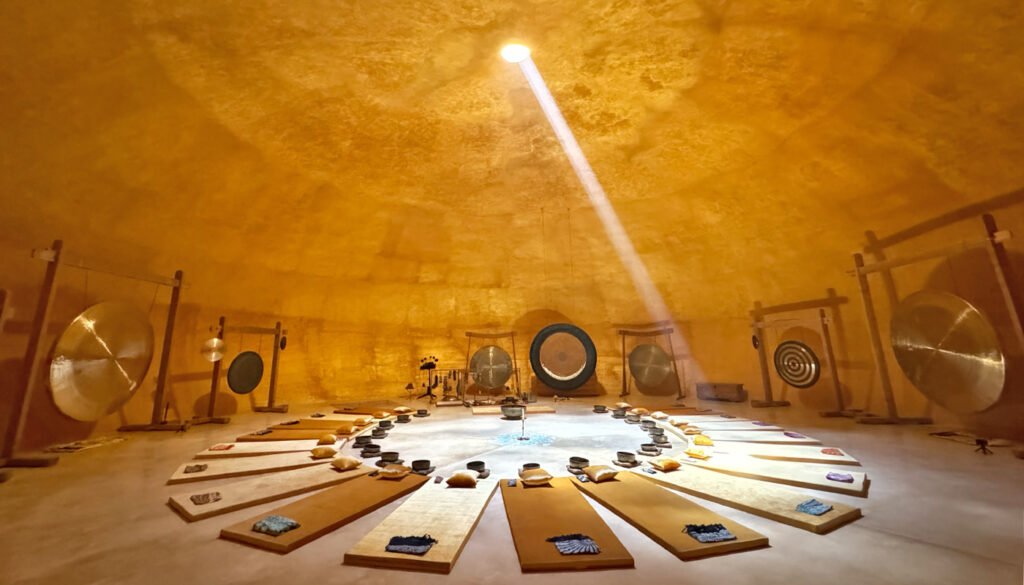
Your YTT likely involved a lot of technical learning. Now, let your ears and heart do the work. Bali is famous for its Sound Healing sessions.
Lying in a dome or a high-vibration Shala while being bathed in the frequencies of Tibetan bowls, gongs, and chimes is a form of Nada Yoga, the yoga of sound. It helps clear any lingering energetic blockages and leaves you feeling revitalized and ready to share your voice with the world.
6. Practical “Teacher” Steps (While in the Vibe)
While you are still in Bali, you are surrounded by the world’s highest density of yoga expertise. Take advantage of this.
- Content Creation: While your tan is fresh and your “yoga glow” is at its peak, take some photos of yourself in your favorite poses or film a few short flows. The natural light and lush backgrounds of Bali are unbeatable for your professional portfolio.
- Networking: Visit different holistic centers. Observe how other teachers manage their space, how they welcome students, and how they use props. This is “active observation” that will make you a better teacher.
- Professional Mentorship: If your school, like ADDA YOGA Bali, offers post-graduate support or advanced workshops, check the schedule. Sometimes a weekend workshop on a specific niche, like Sound Healing or Pre-natal Yoga, can be the perfect “add-on” before you head home.
Transitioning with Grace
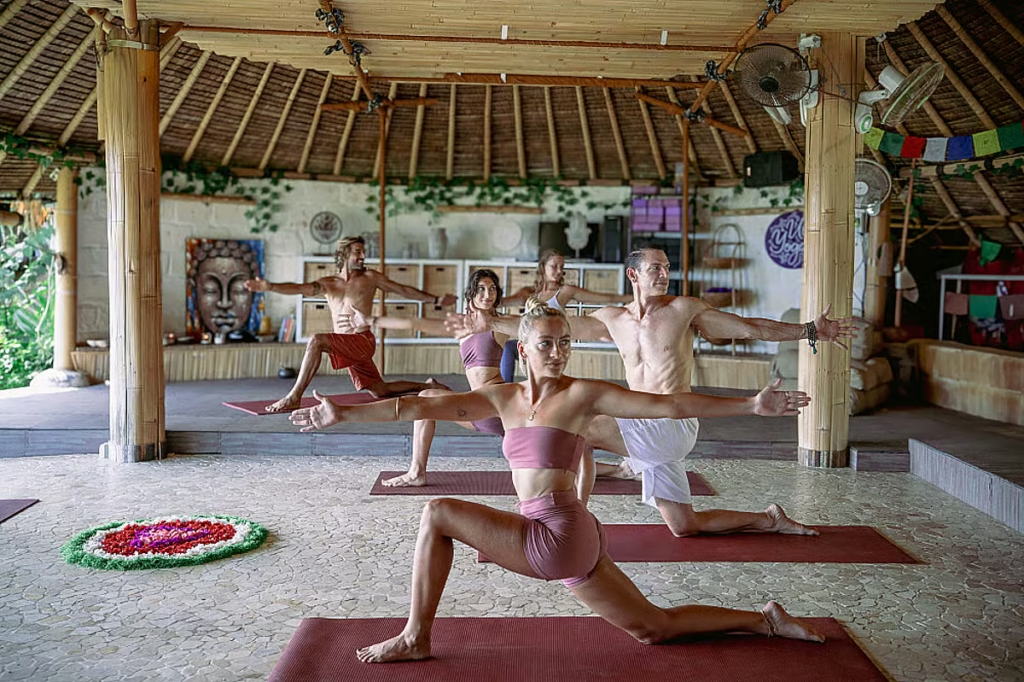
The goal of your post-YTT plan shouldn’t be to see every tourist site in Bali. It should be to honor the transition you’ve just made. You are no longer just a yoga student; you are a carrier of an ancient tradition.
At ADDA YOGA Bali, we encourage our graduates to stay in the “island frequency” for as long as possible. Whether you are enjoying a vegan treat at a local cafe or sitting in a quiet ceremony, let every moment be an extension of your practice.
Frequently Asked Questions (FAQ)
🧘
Should I start teaching my first class in Bali right after graduation?
While the energy is high, it’s often better to take a few days of rest first. However, many graduates find that “community classes” or teaching a casual flow to friends at their guest house is a great way to break the ice and build immediate confidence.
🥗
Is it easy to find healthy food in North Bali?
While North Bali is more traditional, “wellness villages” and boutique retreats in areas like Munduk and Tejakula offer incredible organic, farm-to-table meals that align perfectly with a Sattvic, pure diet.
💰
How much should I budget for a week of post-YTT travel?
Bali can accommodate any budget. A mid-range week, including a nice guesthouse, healthy meals, a scooter rental, and a few spa treatments, typically costs between $400 and $700 USD.
🛂
Do I need to extend my visa to stay longer after my training?
Most YTTs fit within the 30-day Visa on Arrival window. If you plan to stay longer than 30 days total, ensure you apply for the e-VoA or visit an immigration office to extend it for another 30 days before your initial time expires.
🚗
What is the best way to get to North Bali from the south?
The best way is to hire a private driver. It takes about 2.5 to 3.5 hours depending on traffic. This allows you to stop at scenic viewpoints, temples, and waterfalls along the way, making the journey part of your integration.
Conclusion
The end of your training is truly just the Prarambha, the beginning. Bali has so much more to offer than just a classroom setting. By choosing to stay and integrate, you allow the deep work of the past weeks to take root, ensuring that when you finally do return home, you arrive not just with a certificate, but with a transformed spirit.
Take your time. Breathe. Explore. The shala will always be here, but these first few days as a new teacher are a once-in-a-lifetime experience. Enjoy every moment of your Bali graduation!