Preparing for a 200-hour or 300-hour Yoga Teacher Training (YTT) is as much an athletic endeavor as it is a spiritual one. When you choose to undergo an immersion in a hub like Bali, you aren't just signing up for classes; you are stepping into a "yoga intensive" environment that demands physical resilience, mental clarity, …
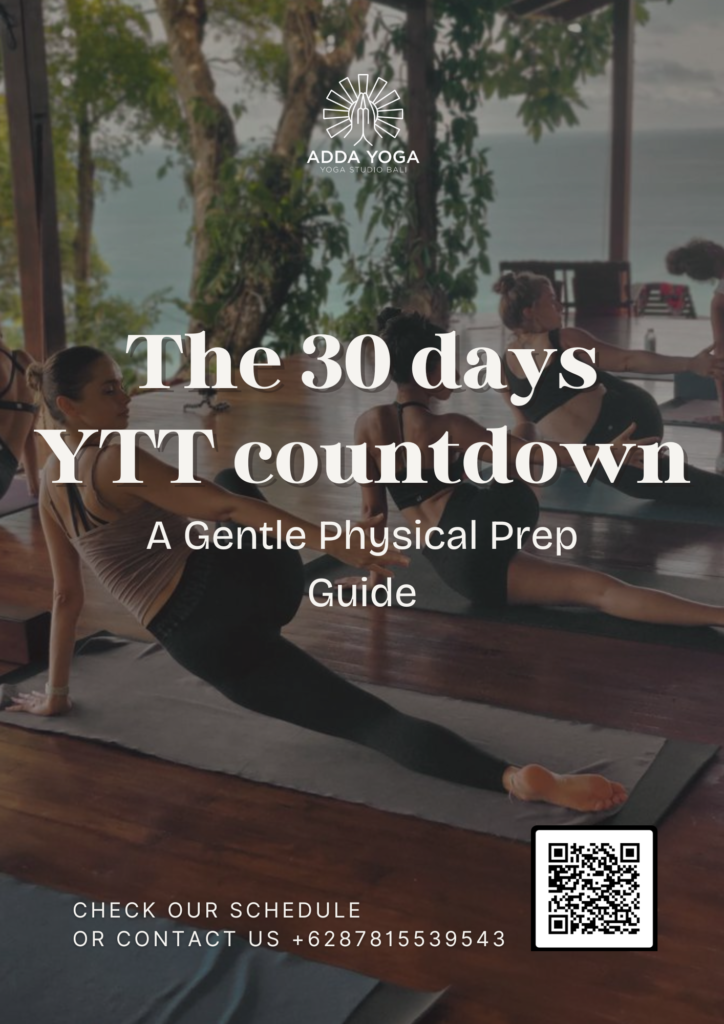
Preparing for a 200-hour or 300-hour Yoga Teacher Training (YTT) is as much an athletic endeavor as it is a spiritual one. When you choose to undergo an immersion in a hub like Bali, you aren’t just signing up for classes; you are stepping into a “yoga intensive” environment that demands physical resilience, mental clarity, and metabolic stamina.
At ADDA YOGA Bali, we often see students arrive with high levels of enthusiasm but low levels of physical preparation for the specific “load” of a YTT. To transition from a three-class-a-week practitioner to a six-hour-a-day trainee, you need a strategic approach.
This 30-day countdown is designed to help you prime your nervous system, protect your joints, and build the endurance required to thrive in the shala without succumbing to burnout.
Phase 1: Days 30–21 – Building the “Baseplate”

The first ten days are about consistency over intensity. Your goal is to signal to your body that daily movement is the new “normal.”
Establish a Daily Sadhanas
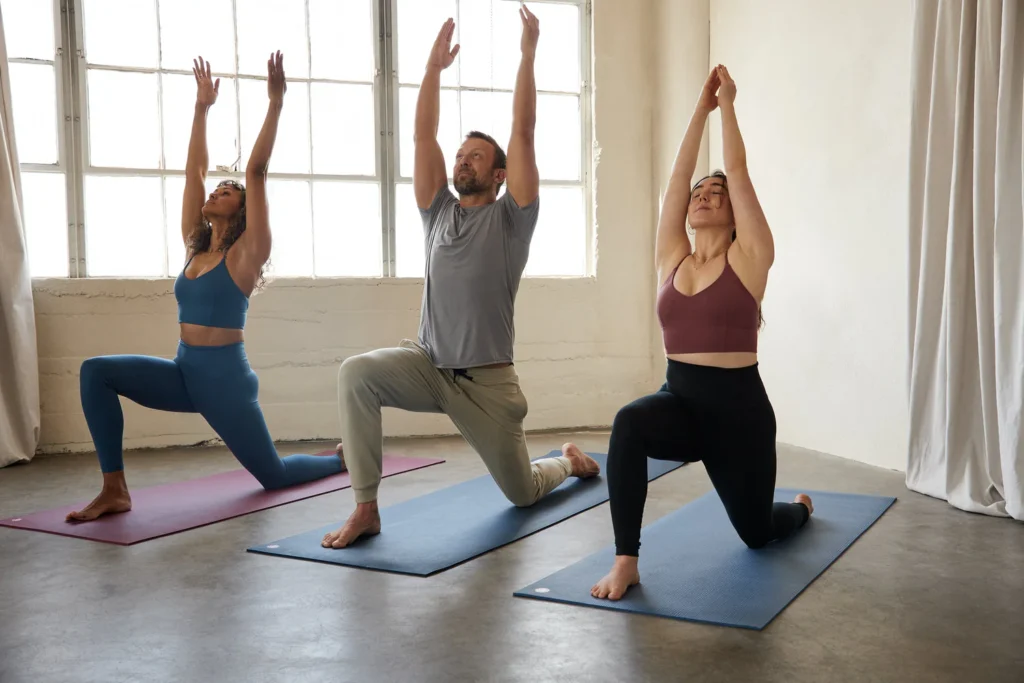
If you don’t already have daily practice, now is the time to start. It doesn’t need to be 90 minutes of vigorous Vinyasa. Even 20 minutes of Sun Salutations (Surya Namaskar) followed by five minutes of stillness helps build the discipline required for the early morning starts of a Bali YTT.
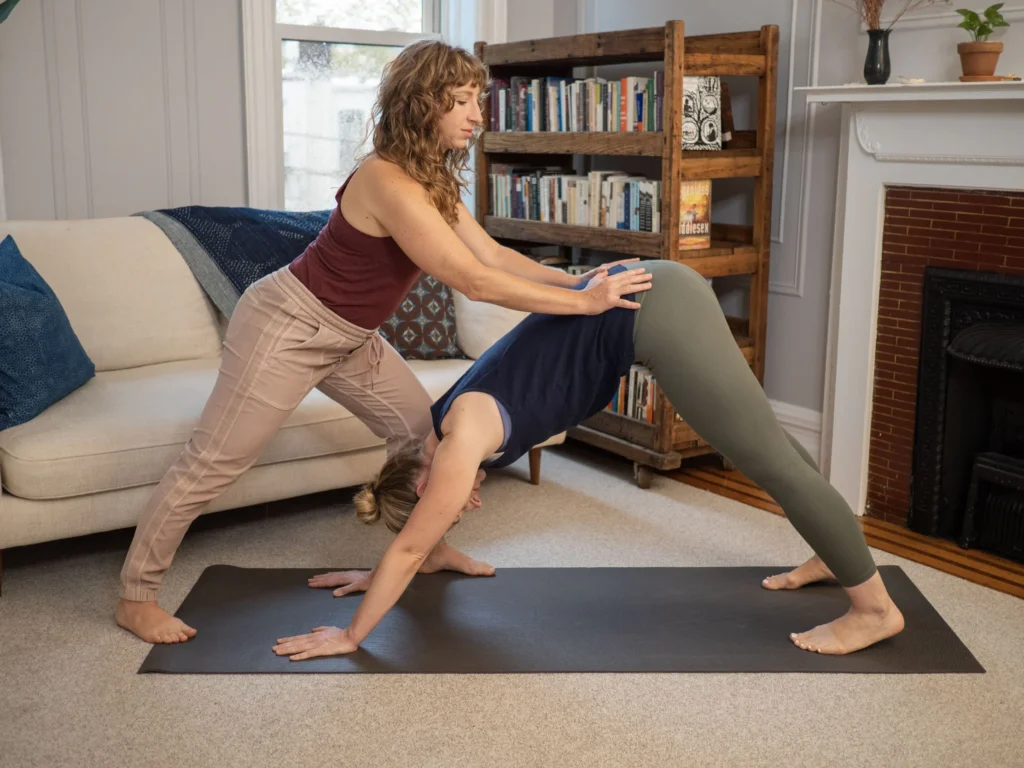
Focus on Wrist and Core Stability
Many students experience “YTT Wrist”—inflammation from the sudden increase in weight-bearing postures like Plank, Chaturanga, and Arm Balances.
- The Drill: Spend 5 minutes a day on wrist mobility exercises and forearm strengthening.
- Core Engagement: Focus on the Bandhas internal energy locks. Engaging Mula Bandha pelvic floor and Uddiyana Bandha lower abdominals provides the structural integrity needed to support your spine during long hours of practice.
Phase 2: Days 20–11 – Increasing Stamina and Mobility

Now that the habit is formed, we begin to mimic the “load” of a holistic center’s curriculum.
The “Yoga Intensive” Simulation
In a typical immersion, you will likely practice twice a day. Start introducing two sessions into your schedule twice a week.
- Morning: A dynamic “Solar” practice, such as Vinyasa or Hatha, to build heat.
- Afternoon: A “Lunar” practice, such as Yin or Restorative.
This teaches your body how to recover between sessions. At ADDA YOGA Bali, we emphasize that the ability to “down-regulate” the nervous system is just as important as the ability to hold a strong pose.
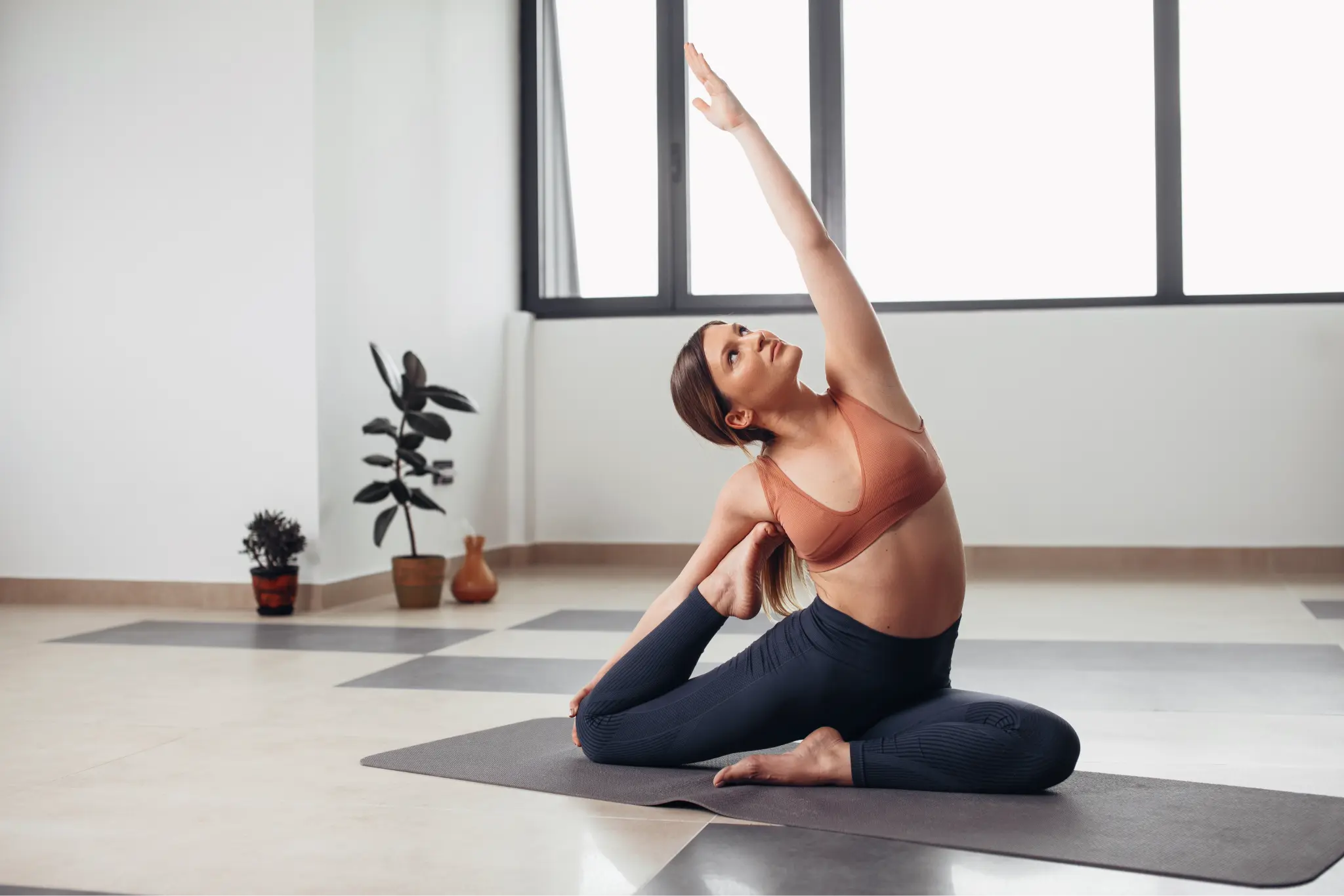
Open the “Sitting Muscles”
You will spend significant time sitting on the floor for philosophy and anatomy lectures. This can be surprisingly taxing on the hip flexors and the lumbar spine.
- The Prep: Spend more time sitting on a bolster or cushion at home while reading or working. Practice “Active Sitting” to strengthen the erector spinae muscles in your back.
Phase 3: Days 10–1 – Tapering and Priming
The final ten days are not for “cramming” advanced poses. Instead, we focus on joint longevity and nervous system health.
The Taper Effect
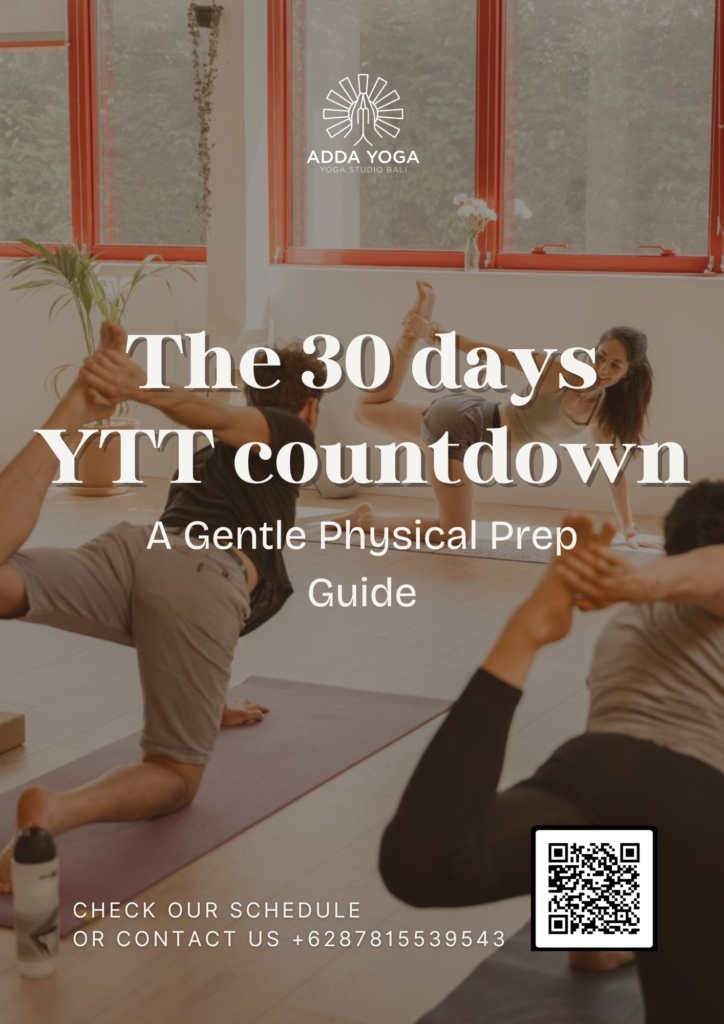
Just like marathon runners, yogis need a taper. Reduce the intensity of your Vinyasa practice. Focus on alignment, slow transitions, and precision. You want to arrive in Bali with fresh muscles, not “Delayed Onset Muscle Soreness” (DOMS).
Metabolic Hydration and Nutrition
Start hydrating with electrolytes now. The Balinese climate is tropical and humid; your body will lose minerals rapidly through sweat. Priming your system with high-quality minerals and anti-inflammatory foods (like turmeric and ginger) will help manage the systemic inflammation that comes with a sudden increase in physical activity.
Breathwork (Pranayama) for Stress Management
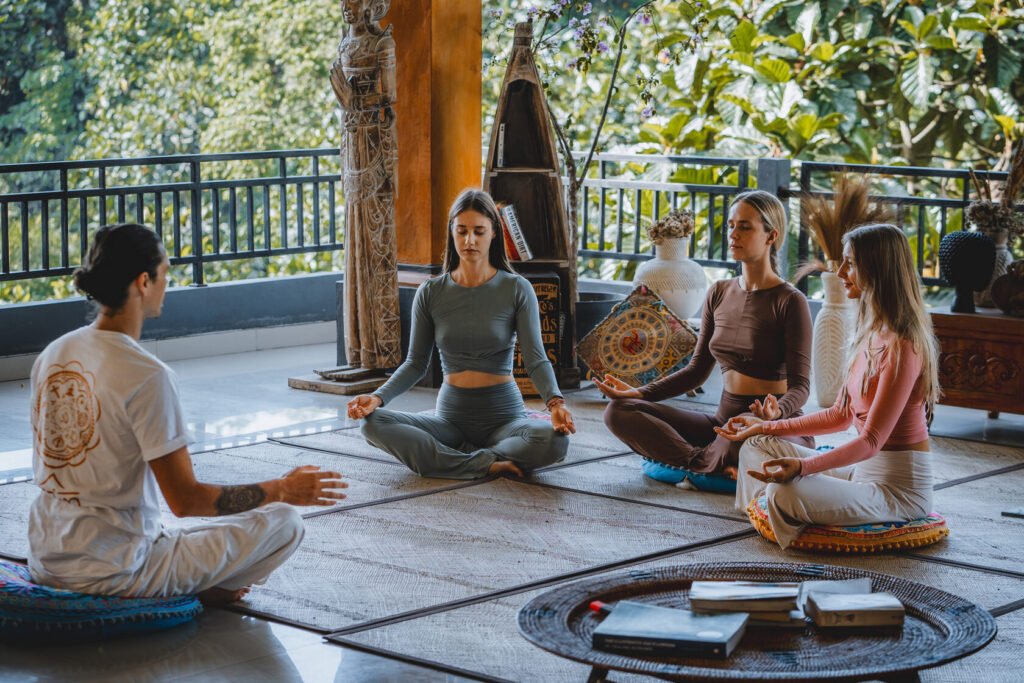
Travel and the anticipation of a life-changing course can spike cortisol. Incorporate Nadi Shodhana (alternate nostril breathing) for 10 minutes every evening. This balances the left and right hemispheres of the brain, ensuring you arrive in a state of “Sattva” (balance and purity).
Integrating Holistic Modalities
A truly comprehensive YTT prep guide looks beyond the asana mat. To ensure you are ready for the physical demands, consider these additions:
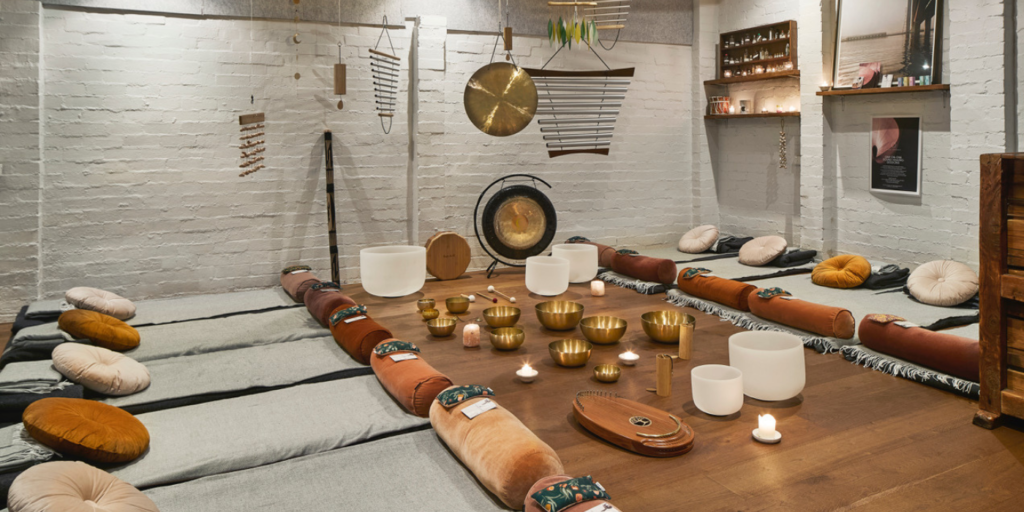
- Sound Healing: If possible, attend a Sound Bath. This helps the cellular body relax and prepares you for the vibrational medicine often used in Savasana at Bali schools.
- Myofascial Release: Use a tennis ball or foam roller to work on the fascia in your feet and glutes. Healthy fascia allows for better range of motion without straining the muscles.
The ADDA YOGA Philosophy on Preparation
As a substantial holistic center and school, we believe that a YTT is a marathon of the soul. When you prepare your physical “vessel,” you create more space for the intellectual and spiritual teachings to land. Our LEGO Method of teaching relies on you having a stable physical foundation so we can help you build the “bricks” of teaching methodology, anatomy, and sequencing.
Frequently Asked Questions (FAQ)
🧘
What is the most important part of YTT physical prep?
Consistency. It is better to do 20 minutes of yoga every day than one 2-hour class once a week. Your body needs to adapt to the rhythm of daily movement to avoid injuries during the immersion.
✋
How do I prevent wrist pain during a yoga intensive?
Focus on “Hasta Bandha” (Hand Lock). Distribute your weight through the finger pads and the knuckles rather than dumping all the weight into the heel of the hand. Strengthening your forearms and serratus anterior also takes the pressure off the wrist joints.
🥗
Do I need to be a vegetarian before my Bali YTT?
While many schools in Bali serve vegan or vegetarian meals to promote Ahimsa (non-violence) and easier digestion, you do not need to change your diet overnight. However, reducing heavy, processed foods 30 days prior can help your body feel lighter and more energetic.
🪷
How can I prepare for sitting on the floor for hours?
Start practicing “Sukhasana” (Easy Pose) at home for 15–30 minutes a day. Use props! Even the most advanced teachers use cushions and blocks to maintain a neutral spine. Building core strength is the best way to prevent lower back fatigue.
😴
What should I do if I feel exhausted in the first week of YTT?
Listen to your body. A professional school will always encourage you to take a “child’s pose” or skip a Vinyasa if you are near burnout. Recovery tools like Sound Healing and Breathwork are essential to help your nervous system recover from the high physical load.
Final Checklist for Your 30-Day Countdown
- Hydration: Invest in a high-quality reusable water bottle and electrolyte powders.
- Props: Familiarize yourself with how to use a strap and blocks to modify poses when you are tired.
- Sleep: Aim for 8 hours of sleep to allow for muscle repair.
- Community: Connect with your fellow trainees online if a group exists; social support reduces the mental load of the journey.
Start Your Transformation at ADDA YOGA Bali
Preparing for a YTT is a beautiful act of self-care. At ADDA YOGA Bali, we provide a supportive, expert-led environment where your preparation meets our professional guidance. Whether you are joining us for a Teacher Training, a workshop, or a private wellness session, our goal is to help you move with purpose and teach with heart.
Explore our holistic programs and take the first step toward your sustainable yoga career today.
Check our website or text us at +62 878 1553 9543 to have our support for your YTT preparation!