Stepping off the plane at Ngurah Rai International Airport, you are immediately greeted by the warm, frangipani-scented air and the distinct, rhythmic hum of Bali’s streets. For a student arriving for a Yoga Teacher Training (YTT), this "hum" is the sound of thousands of scooters navigating the island's winding roads.Transportation is often the first logistical …
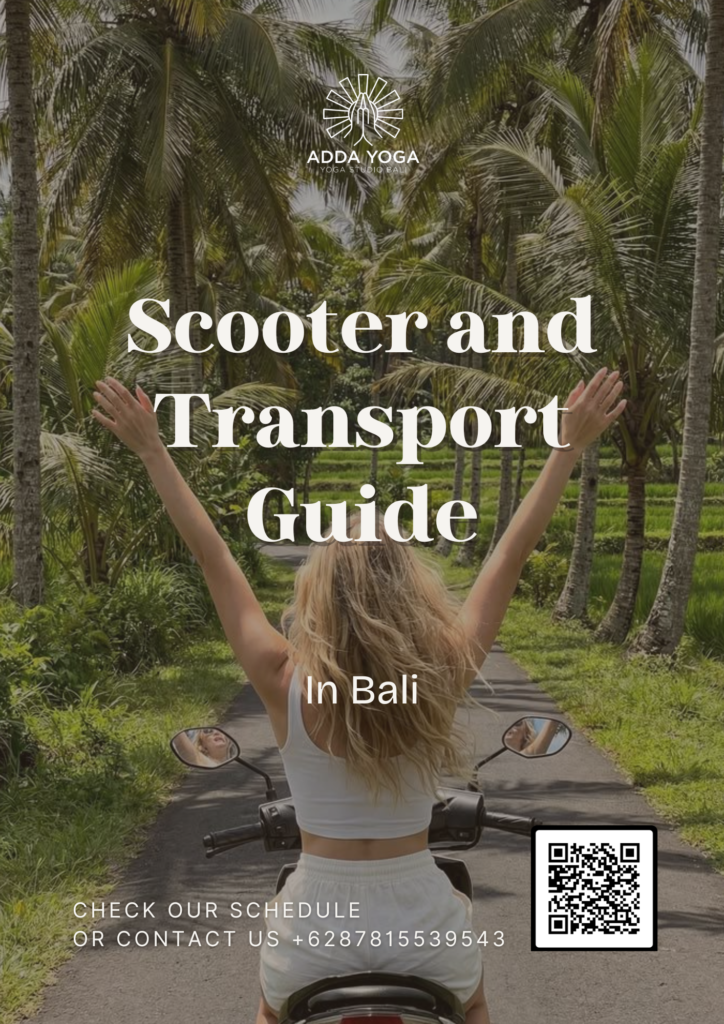
Stepping off the plane at Ngurah Rai International Airport, you are immediately greeted by the warm, frangipani-scented air and the distinct, rhythmic hum of Bali’s streets. For a student arriving for a Yoga Teacher Training (YTT), this “hum” is the sound of thousands of scooters navigating the island’s winding roads.
Transportation is often the first logistical hurdle a practitioner faces. During a YTT, your schedule is rigorous—filled with early morning Sadhana, philosophy lectures, and evening restorative sessions. Having a reliable, stress-free way to move between your accommodation, the shala, and the local organic cafes is essential for maintaining your mental focus.
At ADDA YOGA Bali, we believe that your practice begins the moment you leave your door. Navigating Bali with ease allows you to stay in a state of Santosha (contentment) rather than stress. Here is our comprehensive guide to Bali transport, specifically tailored for the needs of a YTT student.
1. The Scooter Culture: To Ride or Not to Ride?
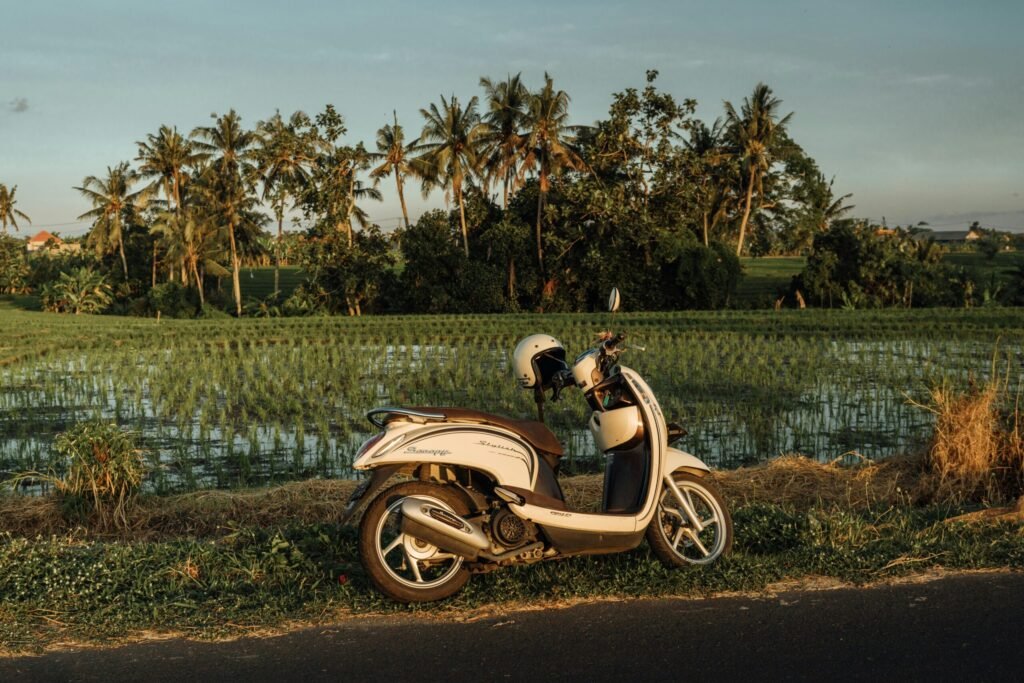
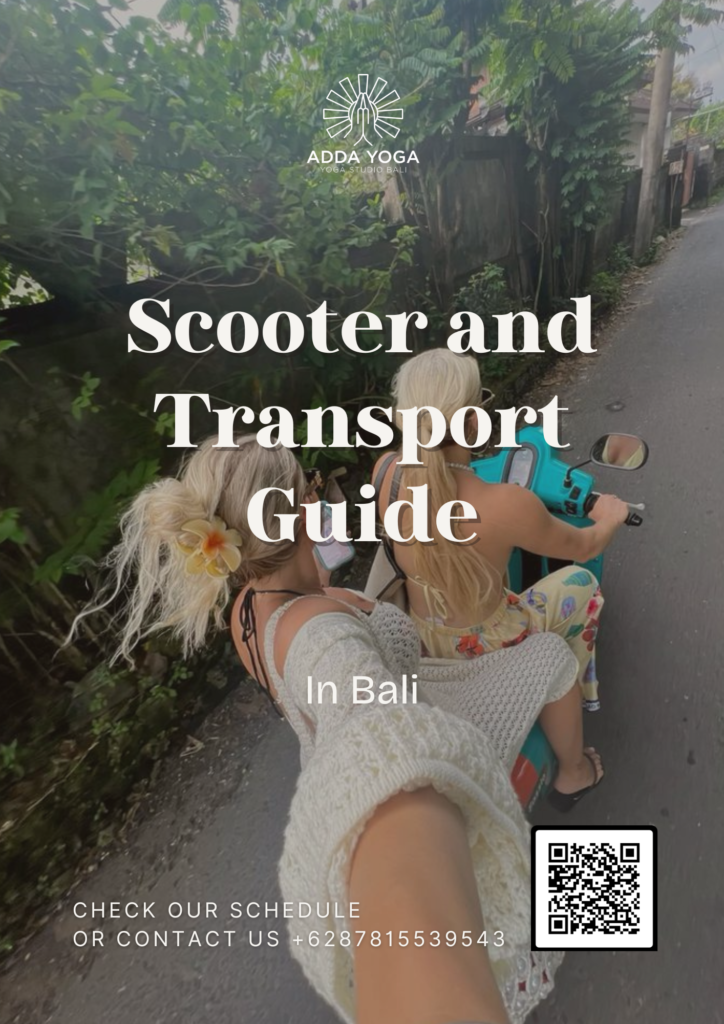
The scooter is the undisputed king of Bali transport. It is the most efficient way to bypass the “macet” (traffic jams) that can occasionally stall cars in hotspots like Canggu or Ubud. However, for a YTT student, there are unique factors to consider.
The Learning Curve
If you have never ridden a motorized two-wheeler, your YTT immersion—which is already physically demanding and mentally taxing—is not the ideal time to learn. Falling off a scooter (the infamous “Bali Kiss”) can result in road rash or injuries that could sideline you from your physical asana practice for weeks.
Legal Requirements
To ride legally and ensure your travel insurance remains valid, you must have:
- A valid motorcycle license from your home country.
- An International Driving Permit (IDP).
- A properly fastened helmet. This is non-negotiable for safety and to avoid local fines.
Choosing Your Bike
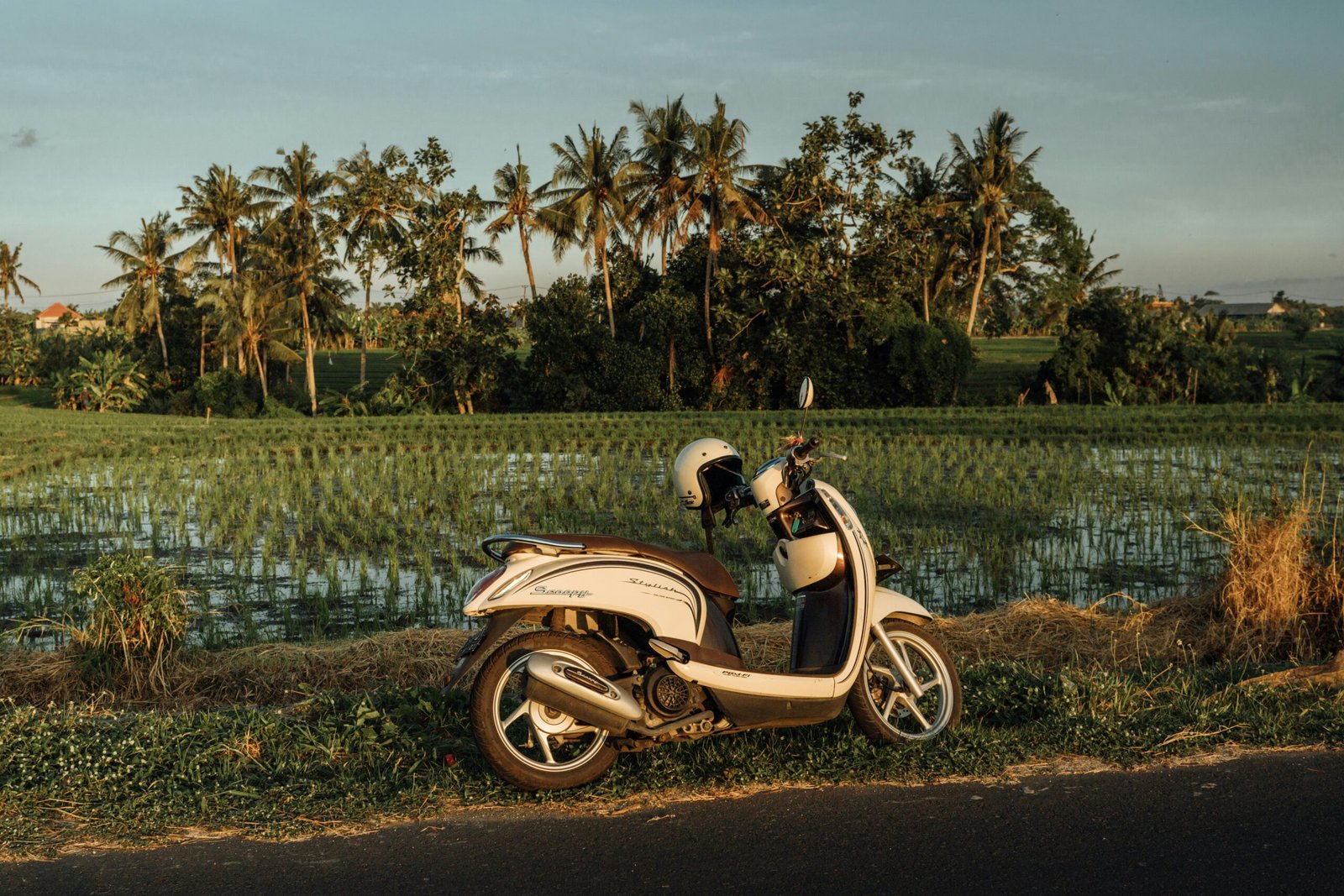
If you are experienced and choose to rent, look for a “Vario” or a “Scoopy.” These are the island standards—reliable, easy to handle, and featuring enough under-seat storage for your yoga towel, water bottle, and a light change of clothes.
2. Ride-Hailing Apps: Your Digital Chauffeur
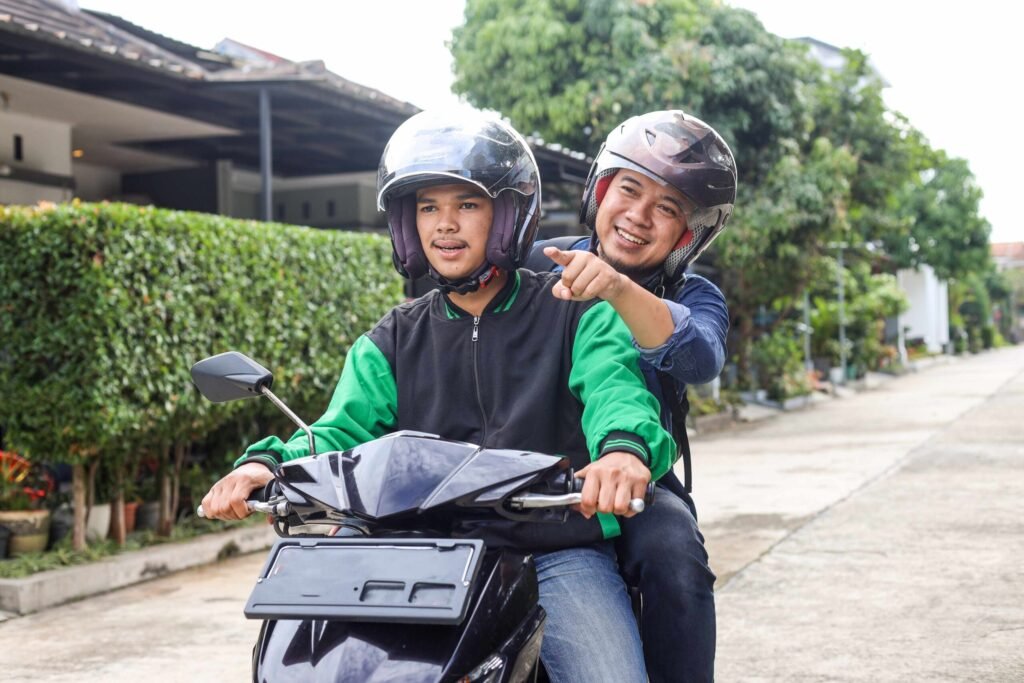
For many solo female travelers and YTT students, ride-hailing apps are the preferred choice. They offer a layer of security, transparent pricing, and the ability to rest your mind or study your anatomy notes while someone else navigates the traffic.
- Gojek & Grab: These are the “Ubers” of Southeast Asia. You can book a car, ideal for rainy days or traveling with your heavy yoga mat and manuals, or a “Gojek Bike.”
- The Gojek Bike Experience: This involves hopping on the back of a professional driver’s scooter. It is significantly cheaper than a car, faster in traffic, and allows you to experience the island breeze without the stress of driving.
- Safety Features: Both apps allow you to share your real-time location with friends or fellow students, adding an extra layer of protection during late-night returns from study sessions.
3. Walking: The Moving Meditation
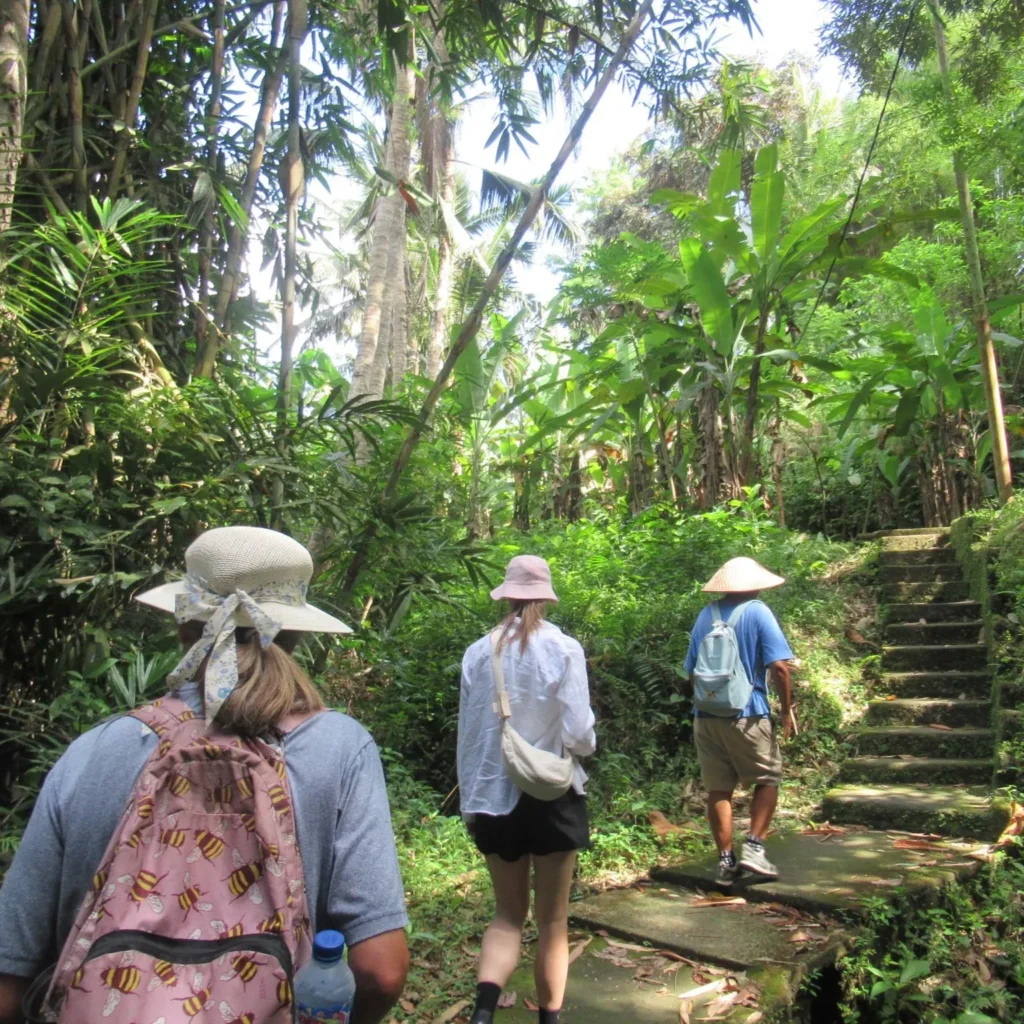
Depending on where you stay in relation to your school, walking can be a beautiful way to ground yourself.
- Mindful Steps: Walking through the small “gangs” of Bali allows you to see the daily Canang Sari offerings placed carefully on the ground. This is a practice of Mindfulness in itself.
- The Geography Factor: In areas like Canggu or Pererenan, sidewalks can be inconsistent. Always carry a small flashlight or use your phone light if walking at night, as tropical roads can be uneven.
4. Private Drivers: For Longer Immersions
If your YTT includes “off-shala” days or if you are planning a post-graduation trip to the water temples or the mountains of Munduk, hiring a private driver is a common and affordable practice.
Drivers in Bali often act as informal guides, sharing the rich history and spiritual significance of the landmarks you pass. Having a “regular” driver that you trust can provide a sense of stability during your month-long stay. Many students split the cost of a private car with their YTT cohort for weekend trips, fostering a sense of Sangha community outside the classroom.
5. Transport Etiquette and Safety Tips
Navigating Bali’s roads is less about “rules” and more about “flow.” It is a living example of Vinyasa—everything is moving, shifting, and finding its place.
- Use Your Horn Mindfully: In Bali, a short double-tap of the horn is a friendly “I am here” or “I am passing,” not a sign of aggression.
- The Rainy Season: If you are training between November and March, expect sudden downpours. Always keep a “poncho” in your scooter seat or bag. Riding in the rain can be slippery; when the clouds burst, it’s often best to pull over at a local warung for a ginger tea and wait for it to pass.
- Phone Safety: Never hold your phone in your hand while riding. Use a mount if you need GPS, or better yet, memorize your route beforehand to keep your focus entirely on the road and your surroundings.
How ADDA YOGA Bali Supports Your Commute
As a substantial holistic center and school, ADDA YOGA Bali is strategically located to ensure our students have multiple transport options. We provide ample, secure scooter parking for those who ride, and our front office team is always happy to help students coordinate shared rides or recommend trusted local drivers. We want your focus to be on your Pranayama and your philosophy, not on how you’re going to get to class.
Frequently Asked Questions (FAQ)
🛵
Do I really need an International Driving Permit (IDP) in Bali?
Yes. While some rental shops may not ask for it, the local police frequently conduct checks. More importantly, if you are in an accident and do not have an IDP, your travel insurance provider will likely deny your claim.
🚐
Is there a “Yoga Shuttle” for students?
While most schools don’t have a private bus, the community often creates informal “shuttles.” Students staying in the same villa or area frequently use WhatsApp groups to coordinate GrabCar carpools, which is a great way to save money and bond with your classmates.
💰
How much does it cost to rent a scooter for a month?
Prices vary based on the model, but for a standard 110cc-125cc scooter, expect to pay between 1,500,000 to 2,500,000 IDR, approximately $95–$160 USD, per month. Always negotiate a “monthly rate” rather than a daily one.
📱
Can I use my phone for navigation while riding?
It is highly recommended to use a phone holder attached to the handlebars. Holding a phone in one hand while driving is dangerous and makes you a target for opportunistic “phone snatching” in high-traffic areas.
✈️
What is the safest way to get from the airport to my YTT accommodation?
The safest and most stress-free way is to pre-book a private transfer through your school or accommodation. Having a driver waiting with your name on a sign avoids the overwhelm of navigating the airport taxi surge upon arrival.
Conclusion
Your journey to becoming a yoga teacher is an adventure that extends far beyond the four corners of your mat. Navigating the vibrant, busy, and beautiful roads of Bali is part of that growth. Whether you choose the independence of a scooter, the convenience of a ride-hailing app, or the simplicity of walking, do so with the same intention and presence you bring to your practice.
By planning your transport mindfully, you protect your energy and ensure that your time in Bali is spent in a state of flow. We look forward to welcoming you to the shala at ADDA YOGA Bali, no matter how you choose to arrive.