Embarking on a Yoga Teacher Training (YTT) is a transformative milestone. Whether you are heading to the lush tropics of Bali or studying at your local shala, the transition from a casual practitioner to a dedicated student of the craft requires more than just physical stamina. It requires a shift in perspective.To truly honor the …

Embarking on a Yoga Teacher Training (YTT) is a transformative milestone. Whether you are heading to the lush tropics of Bali or studying at your local shala, the transition from a casual practitioner to a dedicated student of the craft requires more than just physical stamina. It requires a shift in perspective.
To truly honor the lineage of yoga, one must look beyond the asana (physical poses) and dive into the philosophy, anatomy, and spiritual heritage that form the foundation of this ancient practice. At ADDA YOGA Bali, we believe that the best teachers are lifelong students. Arriving at your 200-hour or 300-hour YTT with a foundational understanding of the “why” behind the “what” allows you to absorb the curriculum on a much deeper level.
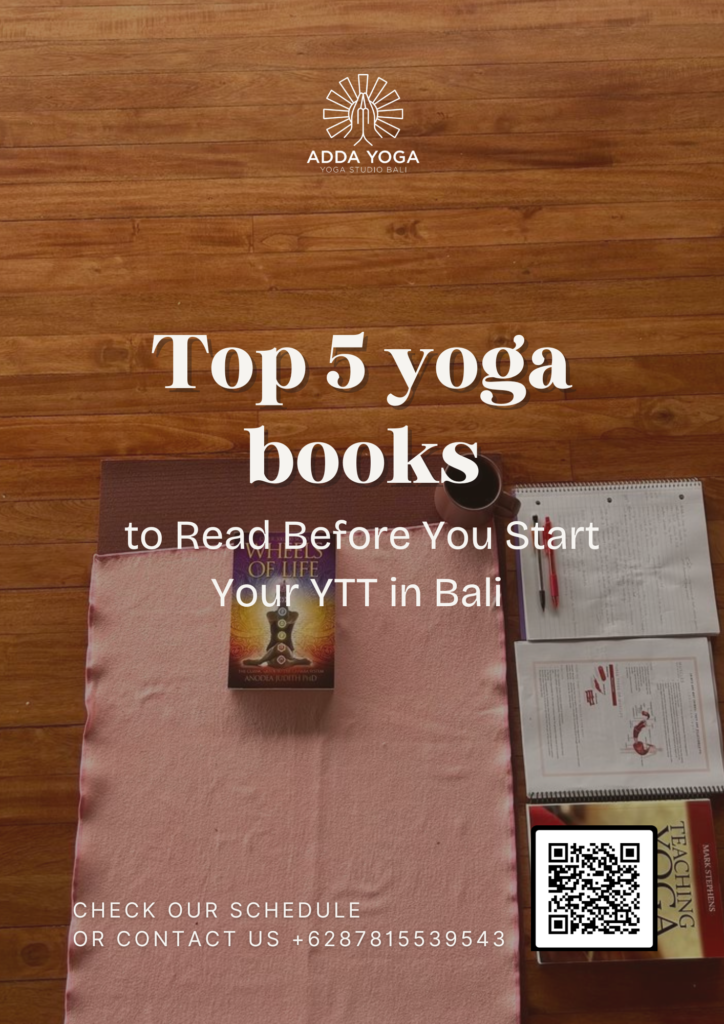
Below is our curated list of five essential books that will sharpen your intellect, open your heart, and prepare your spirit for the journey ahead.
1. “The Yoga Sutras of Patanjali” translated by Sri Swami Satchidananda
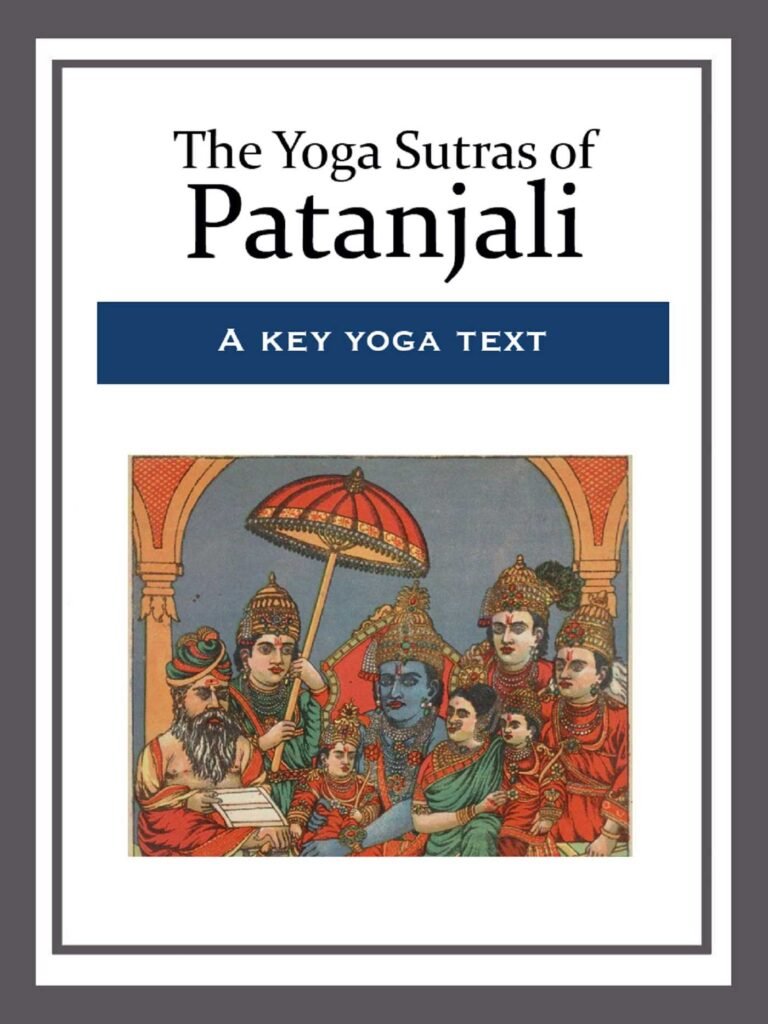
Often referred to as the “Bible of Yoga,” this is the definitive text on the philosophy of classical yoga. Compiled over 2,000 years ago, the 196 sutras provide a roadmap for mastering the mind and achieving spiritual liberation.
- Why it’s essential: Most YTT programs will spend significant time on the Eight Limbs of Yoga, also known as Ashtanga. Reading this beforehand gives you a head start on concepts like Yamas, social restraints, and Niyamas, self-observances.
- The Key Takeaway: Yoga is not something you do; it is a state of being. This book shifts your focus from the “perfect pose” to the “perfected mind.”
2. “The Heart of Yoga: Developing a Personal Practice” by T.K.V. Desikachar
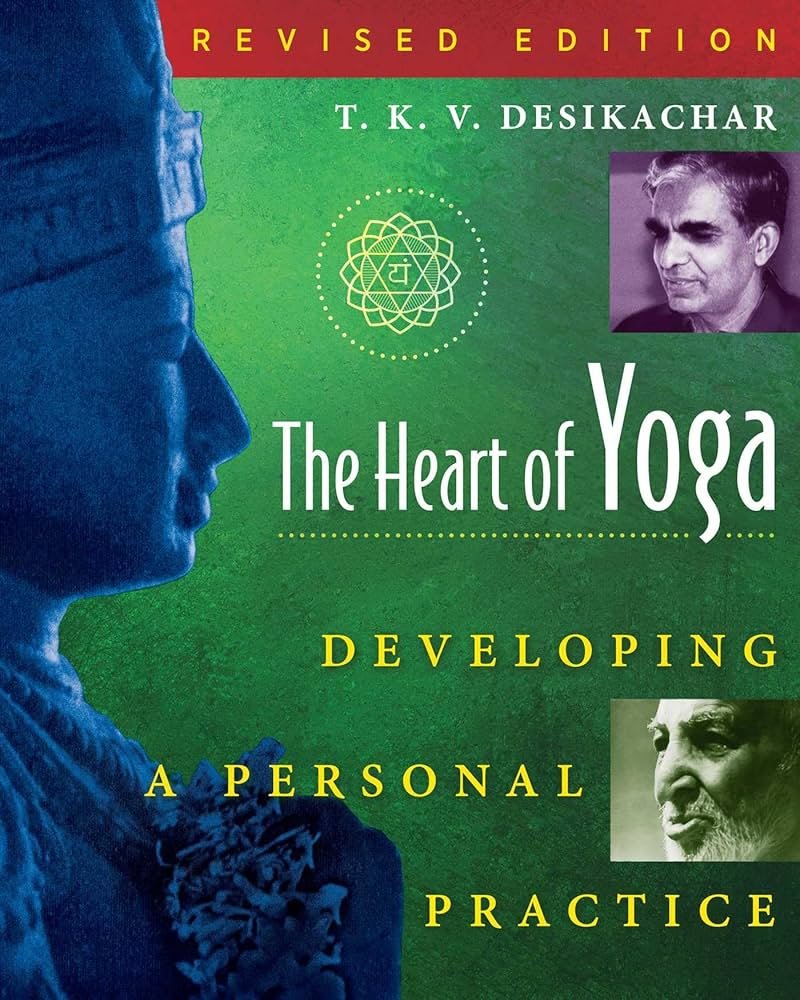
Desikachar was the son of Tirumalai Krishnamacharya, the man often called the “father of modern yoga.” This book is unique because it breaks down the complex philosophy of the Yoga Sutras into practical, modern language.
- Why it’s essential: It introduces the concept of Viniyoga — adapting the practice to the individual rather than forcing the individual into a pose. This is a crucial mindset for any aspiring teacher working with diverse body types.
- The Key Takeaway: It includes a full translation of the Sutras and practical advice on sequencing, making it an invaluable bridge between ancient theory and modern teaching.
3. “Yoga Anatomy” by Leslie Kaminoff & Amy Matthews
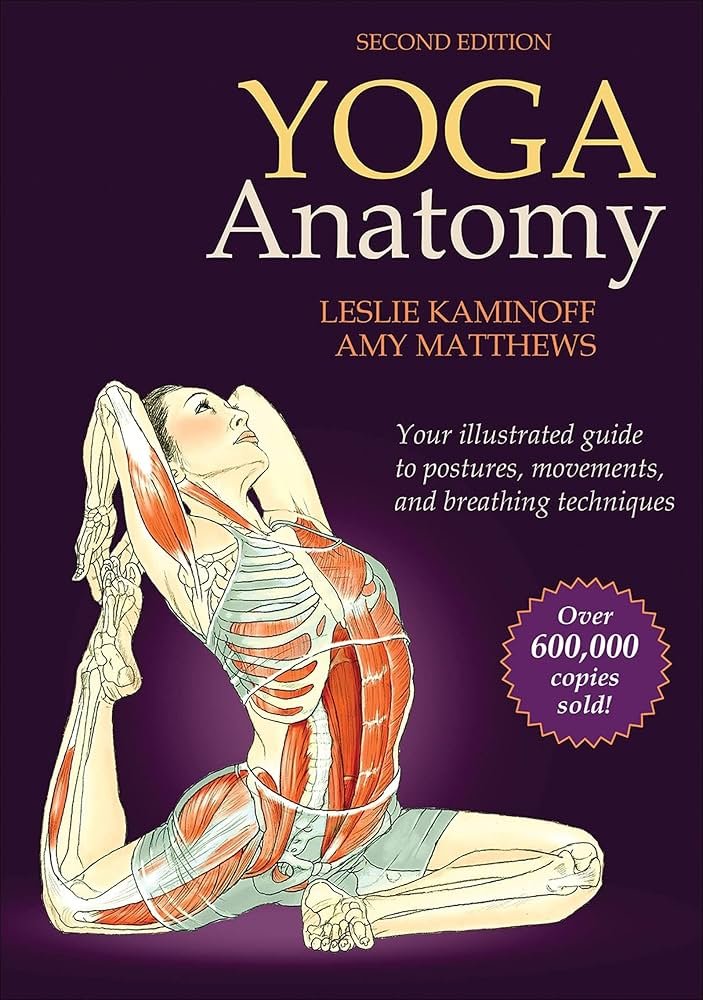
While yoga is a spiritual pursuit, as a teacher, you are responsible for the physical safety of your students. Understanding how the breath and the musculoskeletal system interact is non-negotiable.
- Why it’s essential: This isn’t a dry medical textbook. It features stunning illustrations that show which muscles are active in specific asanas and how changes in pose geometry affect the body.
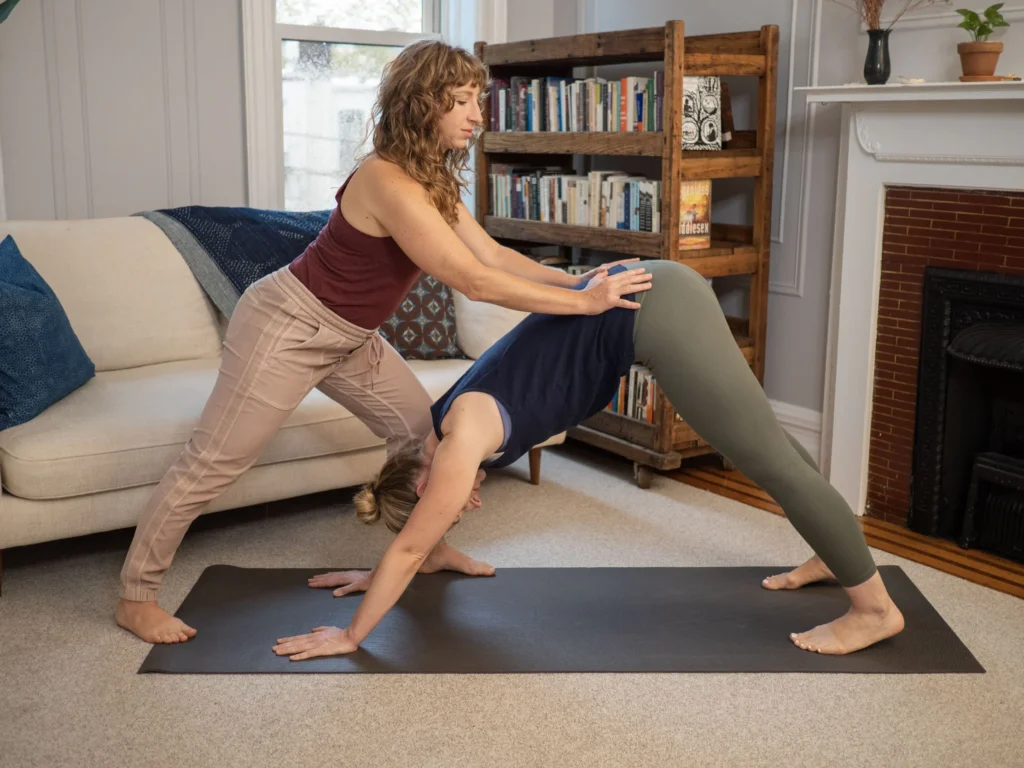
- The Key Takeaway: You will learn that “one size fits all” cues can be detrimental. Understanding anatomy helps you provide inclusive, safe, and effective adjustments.
4. “The Bhagavad Gita” translated by Eknath Easwaran
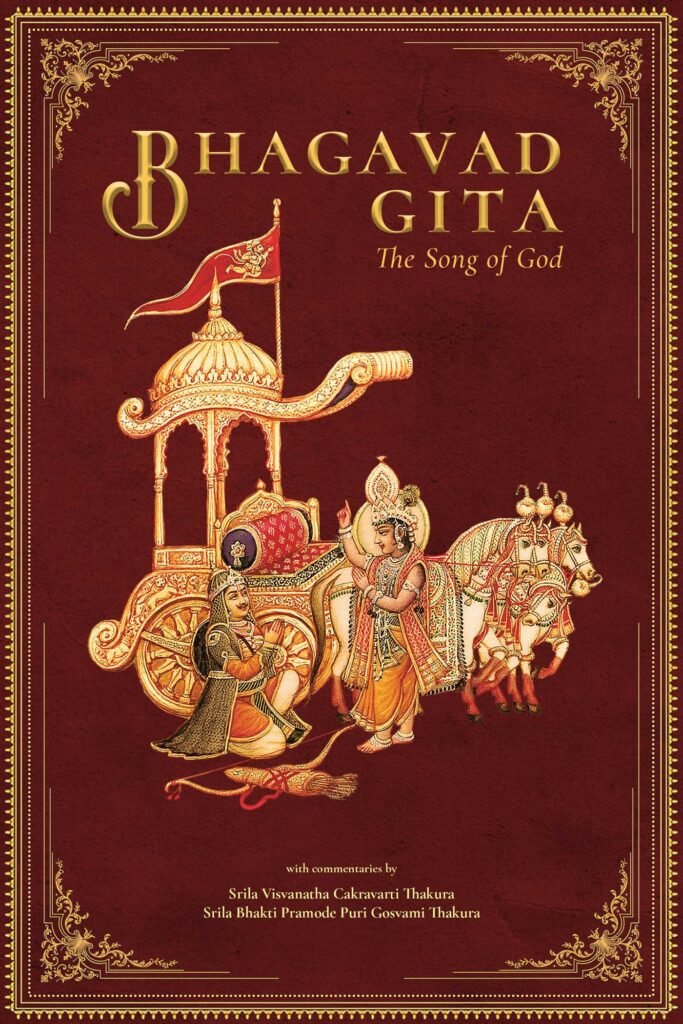
Set on a battlefield, this sacred dialogue between Prince Arjuna and Lord Krishna explores the concept of Dharma, duty and purpose. It addresses the internal struggle we all face when trying to live an authentic, spiritual life in a chaotic world.
- Why it’s essential: It introduces the different paths of yoga, such as Bhakti, devotion, Jnana, knowledge, and Karma, selfless action.
- The Key Takeaway: It teaches that yoga is a “skill in action.” You don’t have to live in a cave to be a yogi; you simply have to act with intention and detachment from the results.
5. “Light on Yoga” by B.K.S. Iyengar
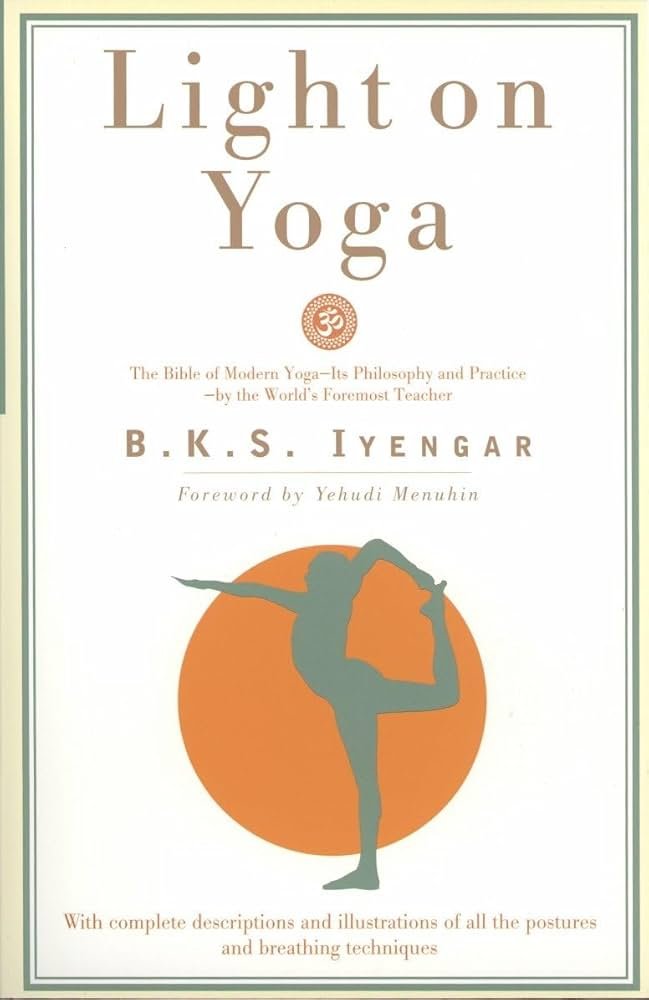
Widely considered the ultimate encyclopedia of Hatha Yoga, this book contains photos and descriptions of hundreds of postures and pranayama breathing techniques.
- Why it’s essential: B.K.S. Iyengar’s precision is legendary. For a student about to start a YTT, this book serves as a technical manual you will refer to for the rest of your career.
- The Key Takeaway: Discipline and alignment are the keys to unlocking the flow of energy, prana, within the body.
Setting the Foundation for Success
Reading these texts isn’t just about passing a test; it’s about immersion. At ADDA YOGA Bali, we have observed that students who arrive with even a basic grasp of these concepts feel more confident during their training. They spend less time being confused by terminology and more time refining their unique voice as a teacher.
If you are currently in Bali or planning your trip here for training, we invite you to join us for a session. Immersing yourself in a daily practice at a dedicated holistic center can help these academic concepts move from the “head” to the “heart.” Whether it’s a grounding Yin session or a technical Hatha class, experiencing different teaching styles will complement your reading and broaden your perspective.
Frequently Asked Questions (FAQ)
📘
What is the best book for a beginner yoga teacher?
The Heart of Yoga by T.K.V. Desikachar is generally considered the best starting point. It balances philosophy with practical application in a way that is accessible to those new to the deeper layers of the practice.
🧠
Do I need to memorize the Yoga Sutras before my YTT?
No, memorization isn’t necessary. However, being familiar with the Eight Limbs of Yoga will make your philosophy lectures much easier to follow and allow for more meaningful discussions.
🦴
Is yoga anatomy hard to learn?
It can be complex, but books like Kaminoff’s Yoga Anatomy make it visual and functional. You don’t need to be a doctor; you just need to understand how movement affects the spine, joints, and breath.
🕉️
Why is the Bhagavad Gita important for yoga?
The Gita explains the why of our practice. While asana focuses on the body, the Gita focuses on our life’s purpose and how to navigate challenges with a yogic mindset.
🤸
Should I practice the poses in “Light on Yoga” before my training?
You can, but be mindful. Some of the advanced poses in Iyengar’s book require years of preparation. Focus on the foundational poses and pay close attention to the alignment cues provided.
Preparing Your Space
As you prepare for your YTT, remember that your environment matters. Whether you are studying in a quiet corner of a cafe in Canggu or in the stillness of your home, approach these texts with a “beginner’s mind.”
At ADDA YOGA, we are proud to be a part of the vibrant Bali yoga community, supporting both local practitioners and those visiting our island to deepen their journey. Yoga is a lifelong path, and these five books are the first steps toward a profound understanding of the self.
Happy reading, and we look forward to seeing you on the mat!