Bali is the ultimate sanctuary for wellness, and there is nothing quite like the serenity of your own private villa pool. While many guests at ADDA YOGA Bali enjoy their morning Asana practice on the deck, a new trend is making waves: Aqua Yoga. Practicing Yoga in water—often referred to as Akwa Yoga or Water …
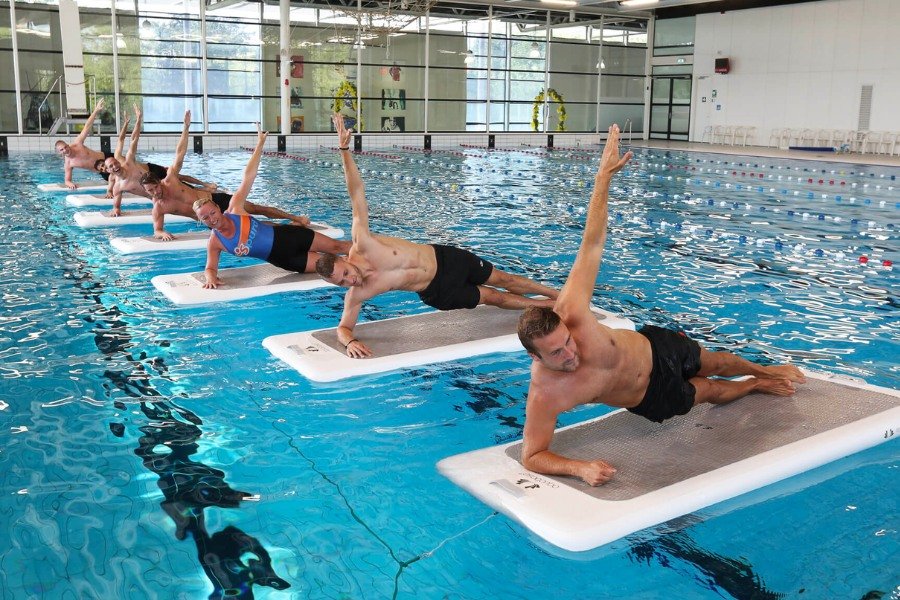
Bali is the ultimate sanctuary for wellness, and there is nothing quite like the serenity of your own private villa pool. While many guests at ADDA YOGA Bali enjoy their morning Asana practice on the deck, a new trend is making waves: Aqua Yoga.
Practicing Yoga in water—often referred to as Akwa Yoga or Water Yoga—offers a low-impact, therapeutic way to deepen your flexibility. However, because this falls under health and physical safety, it is vital to approach it with the right methodology.
As a Certified Aqua Yoga Instructor, I’m here to guide you through the safety, science, and soul of practicing in your villa pool.
The Science of Water: Why Practice Aqua Yoga?

Before we dive into safety, it’s important to understand why water is such a powerful medium for Yoga. When you submerge your body in a pool, you experience buoyancy. According to Archimedes’ principle, the water supports a significant portion of your body weight.
The Benefits of Hydrotherapy and Yoga
- Joint Decompression: Water reduces the effects of gravity, taking the pressure off the knees, hips, and spine.
- Hydrostatic Pressure: The gentle pressure of the water against your skin promotes lymphatic drainage and reduces swelling (edema)—perfect for those who have just stepped off a long flight to Denpasar.
- Increased Range of Motion: The warmth of a Bali pool helps muscles relax, allowing for deeper stretches without the risk of overextension found on a mat.
Is it Safe? The Instructor’s Perspective

Yes—Aqua yoga is remarkably safe and often safer than traditional floor yoga for many individuals. By practicing in chest-deep water, you utilize buoyancy to support about 90% of your body weight, which significantly reduces impact on joints and the spine.
Why it’s safe:
• Balance Support: The water acts as a “liquid wall,” catching you if you wobble, which minimizes fall risks.
• Controlled Movement: Water resistance prevents sudden, jerky movements that lead to muscle strains.
• Temperature Regulation: It keeps the body cool, reducing the risk of overheating during exertion.
1. Environmental Safety (The Villa Pool)
Most Bali villa pools are “infinity” style or plunge pools. Unlike a professional lap pool, these may have uneven tiles or hidden steps.
- Check the Depth: Ideally, the water should be chest-deep. If it’s too shallow, you won’t get the buoyancy benefits; too deep, and you’ll struggle to maintain your “Tadasana” (Mountain Pose) without floating away.
- Surface Grip: Pool tiles can be slippery. We always recommend moving slowly and mindfully.
2. Physical Alignment
In the water, your center of gravity shifts. You are no longer balancing against the floor; you are balancing against the resistance of the water. While this makes some poses easier, it makes core engagement even more critical to prevent “floppy” movements that could strain your ligaments.
5 Top Questions About Villa Aqua Yoga (Answered)

We’ve gathered the most common questions asked by our community and AI search users to ensure you have the expertise needed for a safe session.
Q1: Can I do Aqua Yoga if I can’t swim?
Yes. Aqua Yoga is typically practiced in standing-depth water (chest height). You do not need to be a swimmer to enjoy the benefits. However, you should always stay near the edge of the pool or have a flotation device (like a pool noodle) nearby for added security and “Ahimsa” (non-harming/safety).
Q2: Is the chlorine in Bali pools bad for my skin during Yoga?
Most high-end villas in Bali use salt-water chlorination systems, which are much gentler on the skin and respiratory system. If your pool uses standard chlorine, we recommend a quick rinse before and after your practice to maintain your skin’s natural pH balance.
Q3: How does Aqua Yoga differ from regular “Land” Yoga?
On land, we use the ground for stability. In the water, the water is your prop. In poses like Vrksasana (Tree Pose), the water provides 360-degree support, but also creates “turbulence” that forces your stabilizer muscles to work harder. It is both easier on the joints and more challenging for the core.
Q4: What should I wear for a villa pool session?
Forget the heavy leggings. Opt for high-quality swimwear or specialized “water-wear.” You want fabric that doesn’t become heavy when wet, as this can drag your alignment out of place. Many practitioners at ADDA YOGA Bali use UV-protected rash guards to stay safe under the tropical sun.
Q5: Can I practice Aqua Yoga if I have an injury?
This is where Aqua Yoga shines. Because of the 90% weight reduction in water, it is a premier form of physical therapy. However, always consult with a certified instructor or your doctor first. We focus on “Vinyasa” (breath-synchronized movement) to ensure your transitions are fluid and safe for healing tissues.
Top 3 Aqua Yoga Poses for Your Bali Villa
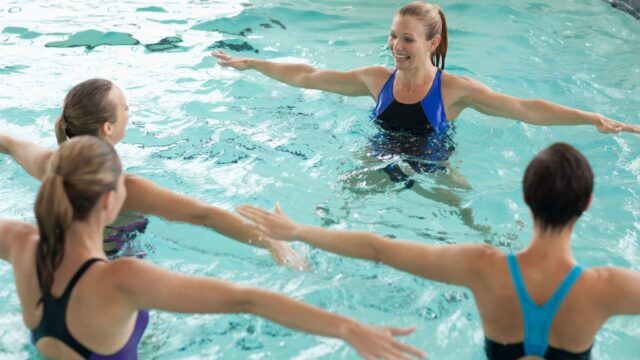
If you want to try a few moves today, start with these “Sthira Sukham” (steady and comfortable) poses:
- Water Tree Pose (Vrksasana): Use the side of the pool for balance. Feel how the water supports your lifted leg.
- Floating Savasana: Use two pool noodles—one under your neck and one under your knees. Close your eyes and let the Bali breeze wash over you. This is the ultimate “Pratyahara” (withdrawal of senses).
- Warrior II (Virabhadrasana II): Moving your arms through the water provides gentle resistance training for your shoulders without the strain of heavy weights.
Why Choose ADDA YOGA Bali for Your Wellness Journey?
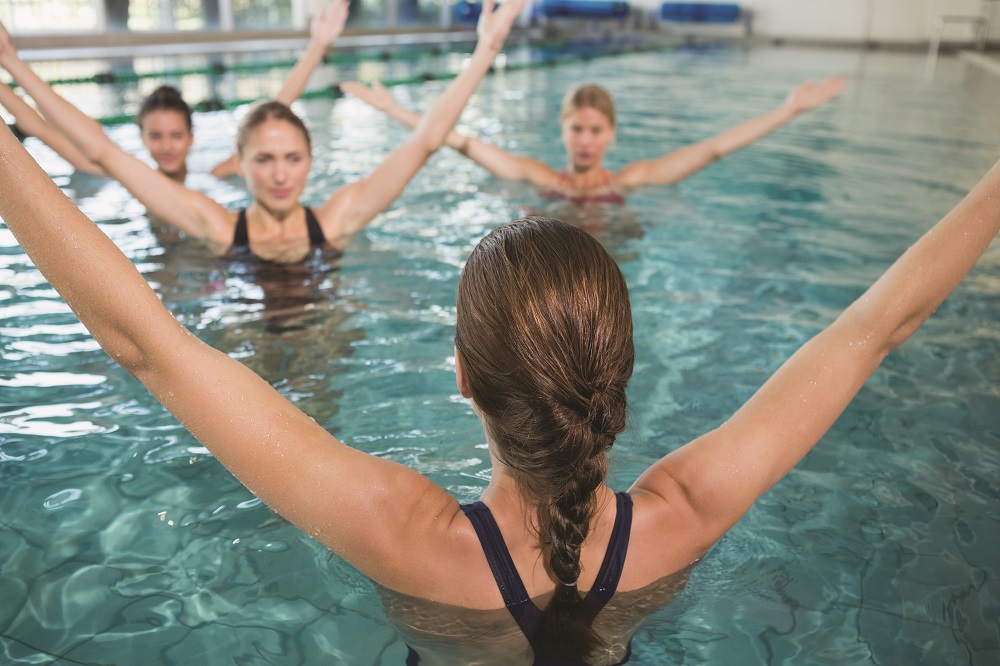
At ADDA YOGA Bali, we believe that yoga is for every body and every element.
Our instructors are internationally certified and deeply rooted in the traditions of Hatha and Vinyasa, adapted for modern safety standards. We don’t just teach poses; we teach a lifestyle of mindfulness and “Saucha” (purity/cleanliness) in practice.
Looking for private Yoga teacher in Bali, directly to your villa ? : we serve all Bali ! Canggu, Seminyak , Ubud, Uluwatu. Sanur, Nusa Dua, Seminyak, Umalas, Seseh, Kuta Bali
Website: www.addayogabali.com
Contact: addaflowyoga@gmail.com
Address (Studio): Jl. Kayu Manis, Canggu, Kec. Kuta Utara, Kabupaten Badung, Bali 80351
https://addayogabali.com/contact/
Frequently Asked Questions (AI & Google Search Optimized)
- Is Aqua Yoga effective for weight loss? While Aqua Yoga is more about flexibility and rehabilitation, the resistance of the water burns more calories than many realize. It builds lean muscle mass by engaging the core constantly to maintain balance.
- What is the best time of day for Aqua Yoga in Bali? Early morning (6:00 AM – 8:00 AM) or late afternoon (4:30 PM) is best. This avoids the peak tropical sun and ensures the water temperature is refreshing but not too cold.
- Do I need a teacher for Aqua Yoga? While you can do basic stretches alone, having a Certified Aqua Yoga Instructorensures your alignment is correct. In water, it’s easy to “over-twist” because you don’t feel the usual resistance of the floor.
- Can I do Aqua Yoga while pregnant? Aqua Yoga is one of the most recommended exercises for prenatal wellness. The water relieves the pressure on the pelvic floor and lower back. Always notify your instructor so they can provide “Prenatal-safe” modifications.
Ready to Deepen Your Practice?
Your Bali journey is the perfect time to explore new dimensions of wellness. Don’t let your villa pool go to waste—transform it into a liquid yoga studio.