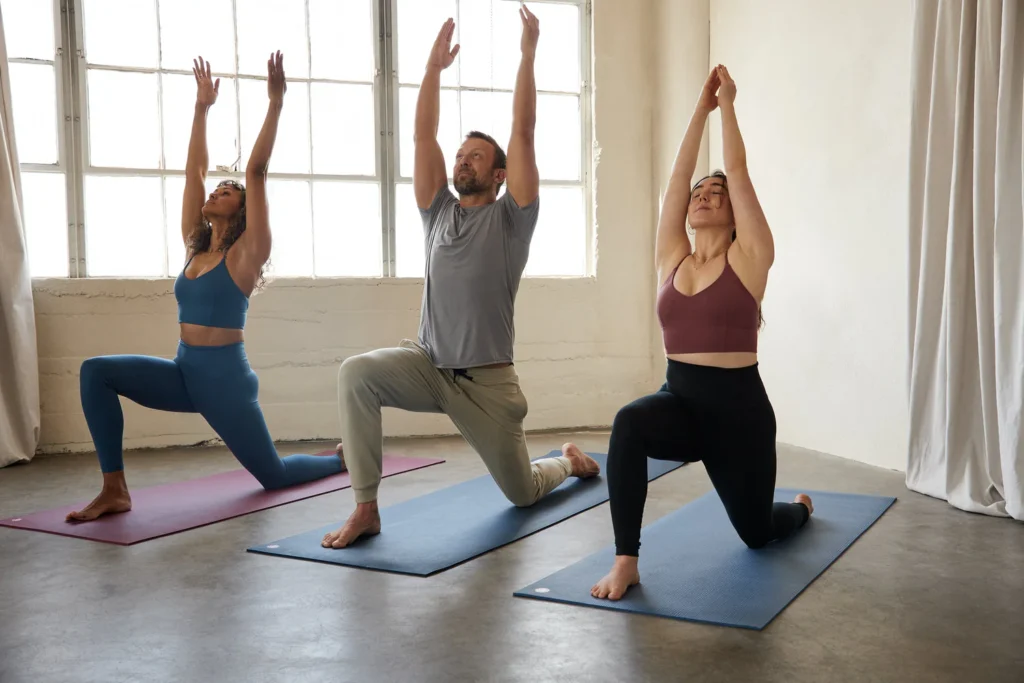
Being a yoga teacher is a physically demanding vocation. While the practice brings immense joy and spiritual fulfillment, the reality of leading multiple Vinyasa flows, demonstrating deep Asanas, and providing manual adjustments daily can take a toll on the body. In a tropical environment like Bali, where the heat increases flexibility but also speeds up …
Being a yoga teacher is a physically demanding vocation. While the practice brings immense joy and spiritual fulfillment, the reality of leading multiple Vinyasa flows, demonstrating deep Asanas, and providing manual adjustments daily can take a toll on the body. In a tropical environment like Bali, where the heat increases flexibility but also speeds up fatigue, having a dedicated “physical maintenance” kit is non-negotiable.
At ADDA YOGA Bali, we believe that a teacher’s longevity is rooted in their ability to listen to their own body. This guide outlines the essential components of a Yoga Teacher’s First Aid Kit, specifically curated for those navigating the rigors of a professional wellness career.
1. Topicals and External Relief: The Front Line
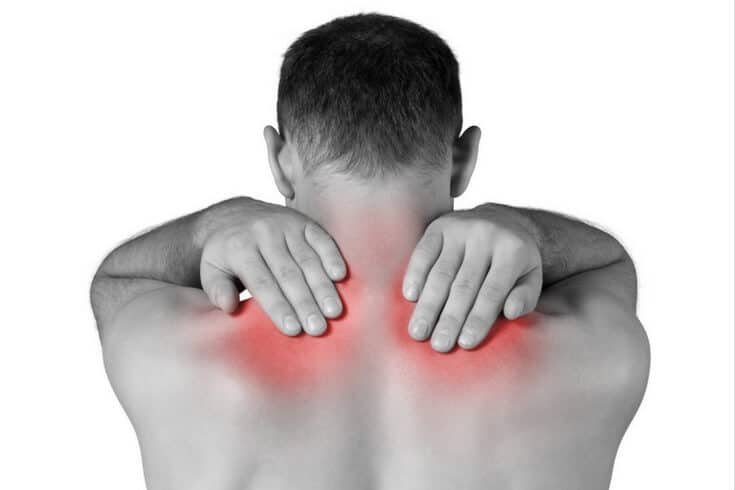
When you are teaching back-to-back classes, you need immediate relief for localized inflammation or muscle tightness.
Magnesium Oil or Flakes
Magnesium is the “master mineral” for muscle relaxation. When applied transdermally, through the skin, it bypasses the digestive system and goes straight to the overworked tissue.
- Best for: Preventing nocturnal leg cramps after a day of heavy standing and demonstrating.
- Pro Tip: If you have a bathtub in your Bali villa, a 20-minute soak in magnesium flakes is the ultimate “reset” for the nervous system.
Cooling Menthol & Arnica Gels
In the humidity of Bali, heavy creams can feel greasy. Opt for water-based gels containing Arnica Montana. Arnica is a powerhouse for bruising and acute muscle trauma.
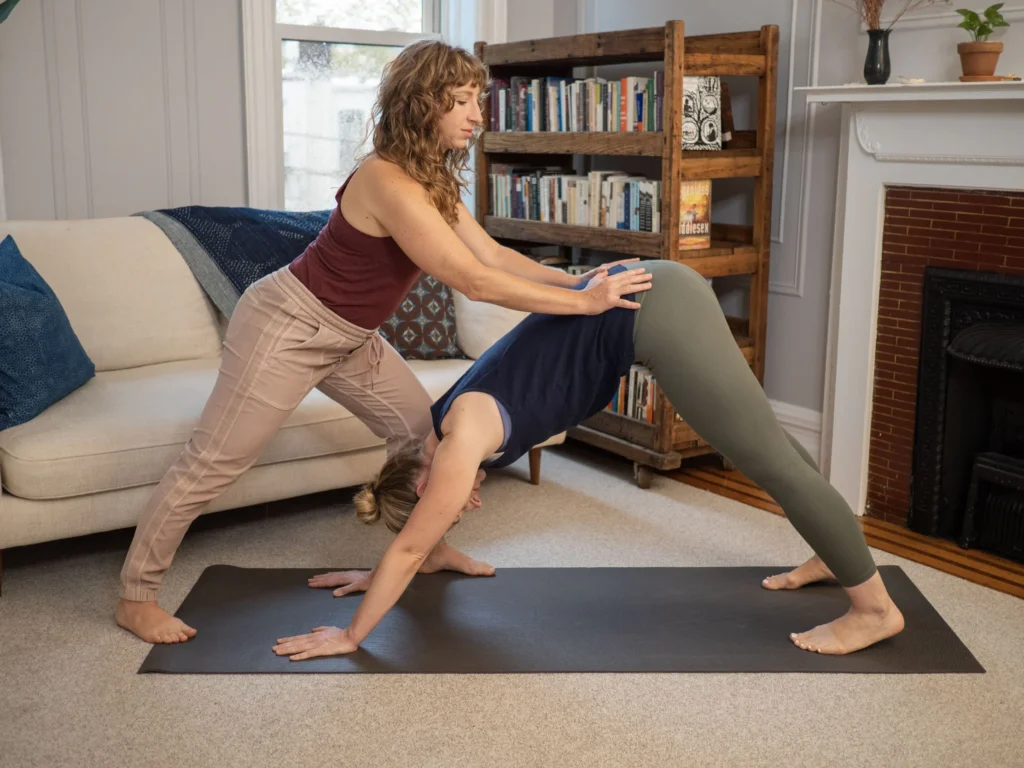
- Usage: Apply to the neck and shoulders after providing heavy manual adjustments to students in Savasana or deep forward folds.
Tiger Balm or Local Boreh
Leverage the local wisdom of Indonesia. Boreh is a traditional Balinese spice wrap often made into a warming balm. It increases circulation to “cold” joints or areas where energy feels stagnant.
2. Tools for Myofascial Release: The “Pocket Masseur”
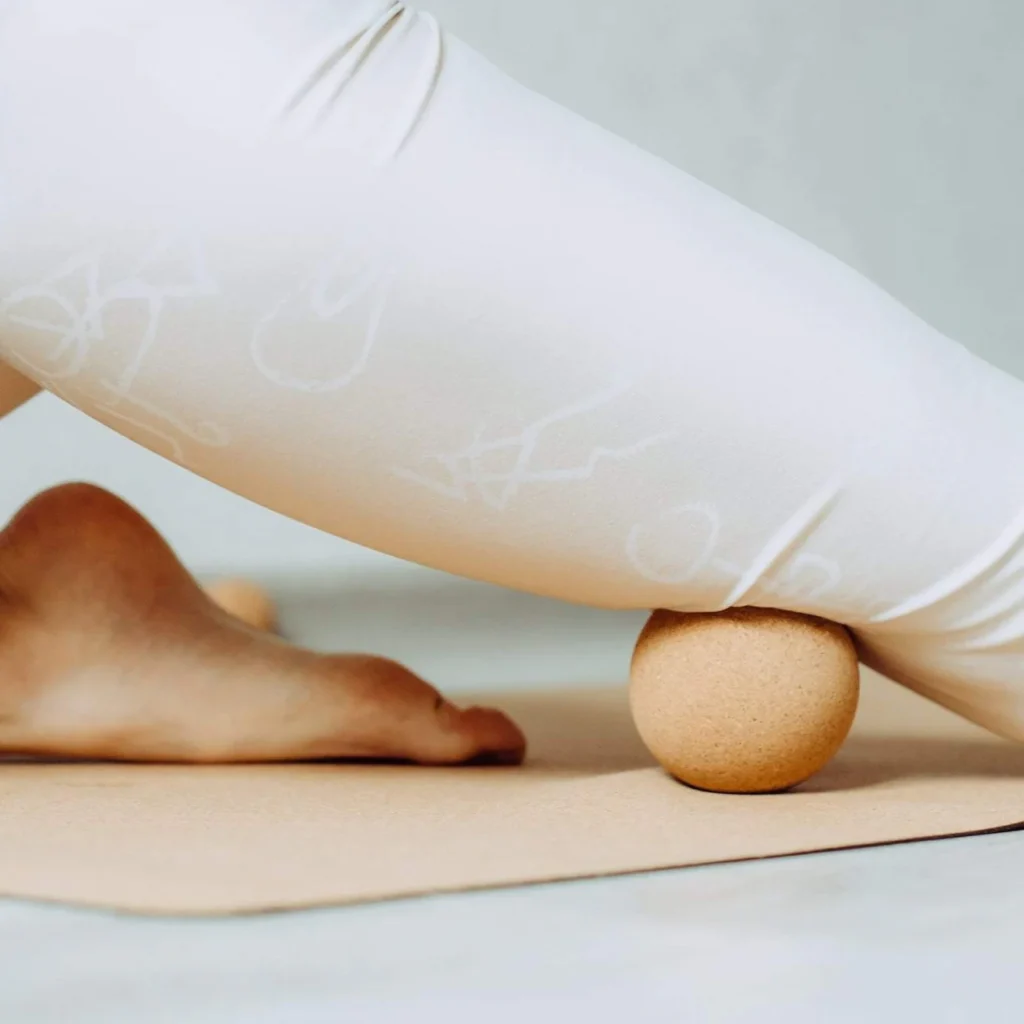
You cannot always get to a massage therapist between classes. Your kit should include tools that allow for Self-Myofascial Release (SMR).
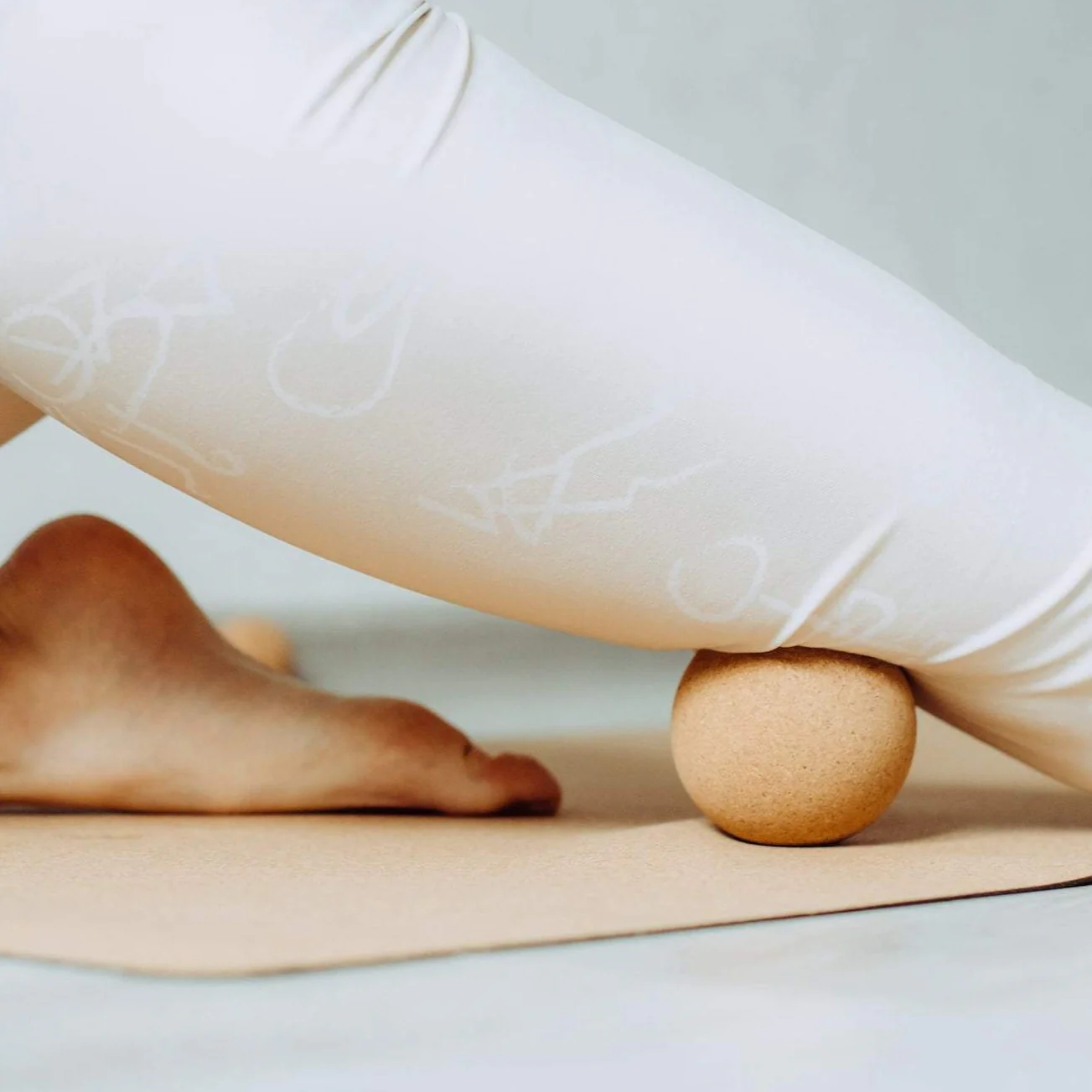
Lacrosse or Cork Massage Balls
A tennis ball is often too soft for a seasoned practitioner. A firm cork ball, sustainable and eco-friendly for the Bali vibe, allows you to target the Rhomboids and Gluteus Medius.
- The Technique: Lean against a wall and place the ball between your shoulder blades to release tension from “demonstrator’s fatigue.”
Resistance Bands (Mini-Loops)
Sometimes “pain” is actually weakness. If your knees ache after teaching Warrior II all day, it might be due to inactive glutes. A light resistance band helps “fire up” the stabilizing muscles, protecting the joints during your own personal practice.
3. Internal Support: Nutrition and Hydration
In a tropical climate, aches are often exacerbated by electrolyte imbalances and systemic inflammation.
Electrolyte Replenishment
Sweating through a Hatha session in 30°C heat means losing more than just water; you are losing sodium, potassium, and calcium.
- Essential Pack: Keep high-quality, sugar-free electrolyte sachets in your bag. Dehydration is a leading cause of muscle “niggles” and brain fog during sequencing.
Anti-Inflammatory Turmeric (Jamu)
Bali is famous for Jamu, a traditional tonic made from fresh turmeric and ginger. Turmeric contains curcumin, a natural anti-inflammatory.
- Teacher’s Hack: If you don’t have access to fresh Jamu, keep high-potency curcumin capsules in your kit to manage systemic inflammation from repetitive movements.
4. The “Invisible” Essentials: Protection and Recovery
Kinesiology Tape (KT Tape)
For those moments when a minor strain occurs but the “show must go on.” KT Tape provides structural support to joints without restricting the range of motion needed for a Sun Salutation.
Essential Oils for the Nervous System
Pain isn’t just physical; it’s neurological. Peppermint oil on the temples can provide a cooling sensation that distracts the brain from minor aches, while Lavender can help down-regulate the nervous system after a high-energy Power Yoga class.
Professional Insights: Longevity in the Studio
At ADDA YOGA Bali, our approach to Yoga Teacher Training (YTT) emphasizes the importance of sustainable teaching. We often see new teachers over-exerting themselves in their first few months.
Building a first-aid kit is an act of Ahimsa (non-violence) toward yourself. By treating minor aches early, you prevent chronic injuries that could sideline your career. Whether you are leading a sound healing journey or a rigorous Vinyasa flow, your body is your primary instrument. Treat it with the same respect you ask of your students.
FAQ: Questions Asked
🩹
What are the most common injuries for yoga teachers?
Yoga teachers often face repetitive strain injuries, also known as RSI, in the wrists, hamstrings near the “sitting bones”, and the lower back. This is usually due to over-demonstrating without being properly warmed up or performing deep adjustments while in awkward postural positions.
💆
How do yoga teachers recover from muscle soreness quickly?
Fast recovery involves a “3-pillar” approach:
- Active Recovery: Gentle Yin Yoga or swimming.
- Contrast Therapy: Alternating between the heat of Bali and cold plunges or ice packs.
- Supplementation: Using magnesium and anti-inflammatory foods like ginger and turmeric.
🧘
Can I teach yoga with a minor muscle strain?
Yes, but you must change your teaching style. Switch from a demonstration-heavy style to a verbal cueing style. This is actually a great way to improve your teaching skills while allowing your body to heal. Use your first-aid kit’s KT Tape for support and stay hydrated.
🌧️
Why do my joints ache more in humid climates like Bali?
Humidity and changes in barometric pressure can cause tissues in the body to expand, which can put pressure on the joints. Additionally, the heat allows for deeper stretching, which may lead to over-stretching or micro-tears if the teacher isn’t mindful of their limits.
🧰
What should be in a basic yoga first-aid kit for studios?
Beyond the teacher’s personal kit, a studio should have an AED, instant cold packs, antiseptic wipes, medical tape, and a bolster for elevating injured limbs. At ADDA YOGA, we also recommend keeping a supply of clean towels and electrolyte water on hand for students who over-exert themselves.
Summary Checklist for Your Kit
- Magnesium Spray: For immediate muscle relaxation.
- Cork Massage Ball: For deep tissue release.
- Electrolyte Sachets: To combat Bali’s humidity.
- Arnica Gel: For localized inflammation.
- Resistance Band: To activate stabilizing muscles.
- Peppermint Oil: For cooling and mental clarity.
By assembling this kit, you aren’t just preparing for pain — you are investing in a long, healthy, and vibrant career in the wellness industry. Whether you are a guest teacher visiting Bali or a permanent fixture in the local community, your health is the foundation of your authority as a leader.
A Note from ADDA YOGA Bali
Interested in learning more about the anatomy of yoga and injury prevention? Our holistic school offers workshops and training sessions designed to elevate your technical knowledge and personal practice. Join us in the heart of Bali’s wellness scene to refine your craft.