Stepping into a Yoga Teacher Training (YTT) is like entering a new world, complete with its own unique language. While yoga has evolved into a global phenomenon, its roots remain firmly planted in the ancient soil of India. The language of those roots is Sanskrit, a liturgical and philosophical tongue that is often called the …

Stepping into a Yoga Teacher Training (YTT) is like entering a new world, complete with its own unique language. While yoga has evolved into a global phenomenon, its roots remain firmly planted in the ancient soil of India. The language of those roots is Sanskrit, a liturgical and philosophical tongue that is often called the “Mother of all Languages.”
For many aspiring teachers arriving in Bali for an intensive month of study, hearing Sanskrit for the first time can feel overwhelming. However, understanding these terms is not about rote memorization; it is about connecting to the vibrational essence of the practice. Sanskrit words are designed to evoke the very state they describe.
As you prepare for your journey—perhaps at a dedicated center of excellence like ADDA YOGA Bali—familiarizing yourself with these 20 foundational terms will help you move from a student who simply “does” yoga to a practitioner who truly “understands” it.
The Pillars of Practice
Before we dive into specific postures or anatomy, we must understand the “why” behind the movement. These terms form the philosophical backbone of any high-quality teacher training.
1. Yoga (योग)
Derived from the root yuj, it literally means to yoke or to unite. While often interpreted as the union of body and mind, in a deeper academic sense, it refers to the union of the individual consciousness with the universal consciousness.
2. Asana (आसन)

Most people think of “poses,” but the literal translation is seat. Historically, Asana referred to the steady, comfortable seat taken for meditation. Today, it encompasses the physical practice we do on the mat to prepare the body for stillness.
3. Pranayama (प्राणायाम)
This is the “expansion of life force.” Prana means life energy (breath), and ayama means extension or expansion. During a Bali YTT, you will learn that Pranayama is the bridge between the physical and the mental bodies.
4. Drishti (दृष्टि)
A focused gaze. In yoga, where the eyes go, the energy follows. Using a specific Drishti during a Vinyasa flow helps to internalize the practice and develop Ekagrata (one-pointed concentration).
5. Mudra (मुद्रा)

A seal or gesture, usually made with the hands. Mudras are used to direct the flow of Prana within the body. You will often see the Anjali Mudra (prayer hands) used as a gesture of offering and heart-centering.
The Ethics of a Teacher: The Yamas & Niyamas
A transformational YTT isn’t just about physical prowess; it’s about character. These terms are part of the “Eight Limbs of Yoga.”
6. Ahimsa (अहिंसा)
Non-violence. This is the first and most important ethical precept. It applies to how we treat others, but more importantly, how we treat ourselves on the mat.
7. Satya (सत्य)
Truthfulness. For a trainee, Satya involves being honest about your physical limits and your journey as an educator.
8. Tapas (तपस)

Heat or discipline. This is the internal fire required to burn away impurities. You will feel the Tapas during those humid Bali afternoons when the practice gets intense and your focus is tested.
9. Svadhyaya (स्वाध्याय)
Self-study. A YTT is a mirror. Svadhyaya is the practice of observing your reactions, patterns, and ego without judgment.
Understanding the Energy Body
To teach effectively, you must understand the subtle mechanics of the human form.
10. Chakra (चक्र)
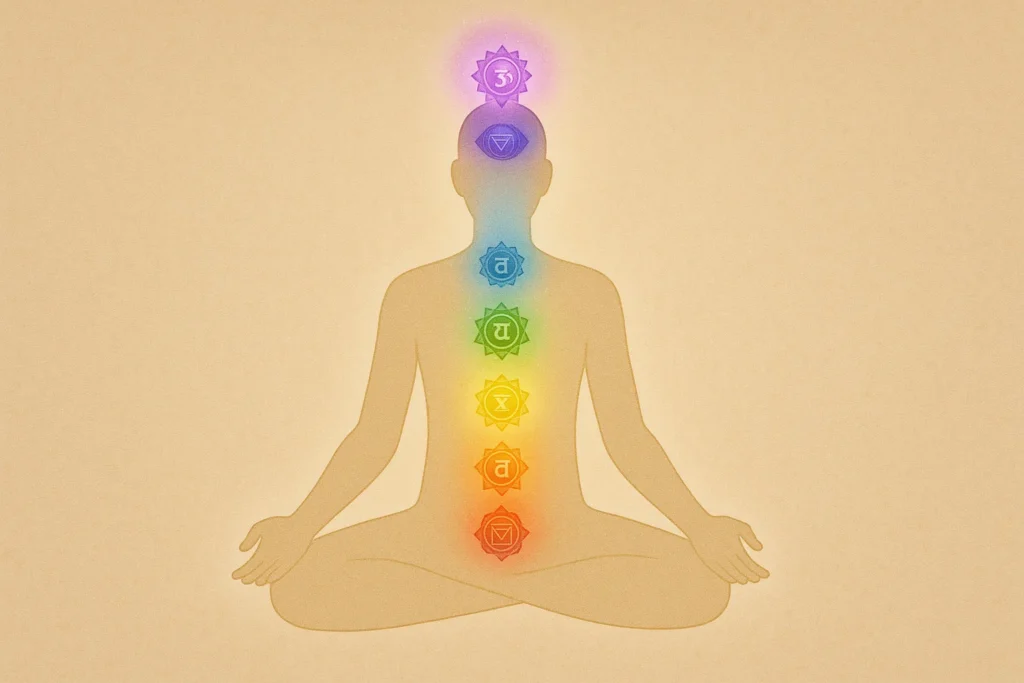
Literally a wheel. These are the seven main energy centers located along the spine. Each Chakra corresponds to different physical, emotional, and spiritual states.
11. Bandha (बन्ध)
Energy locks. These are internal engagements that help control the flow of energy and provide physical stability. The three main locks—Mula, Uddiyana, and Jalandhara—are essential for advanced Hatha and Ashtanga practices.
12. Kosha (कोश)
Sheaths or layers. According to yogic philosophy, the human being consists of five layers, ranging from the physical body to the bliss body (Anandamaya Kosha).
Common Classroom Vocabulary
These are the words you will hear most frequently during your daily practices in the Shala.
13. Surya Namaskar (सूर्य नमस्कार)
Sun Salutation. The foundation of most flow-based classes. It is a rhythmic sequence of movements designed to honor the sun and warm the body.
14. Savasana (शवासन)
Corpse Pose. Often called the hardest pose of all, it is the final relaxation at the end of class. This is where the integration of the practice happens. Many studios, including ADDA YOGA Bali, enhance this experience with Sound Healing to deepen the nervous system’s reset.
15. Namaste (नमस्ते)
“The divine in me bows to the divine in you.” It is a gesture of profound respect and a reminder that, beneath our titles and roles, we are all connected.
16. Shanti (शान्ति)
Peace. It is traditionally chanted three times to invoke peace in the individual, the community, and the universe.
The Student-Teacher Relationship
17. Guru (गुरु)
One who removes darkness. Gu means darkness, and Ru means remover. While you will have teachers during your training, the goal of a YTT is often to help you find the “Inner Guru.”
18. Sangha (सङ्घ)
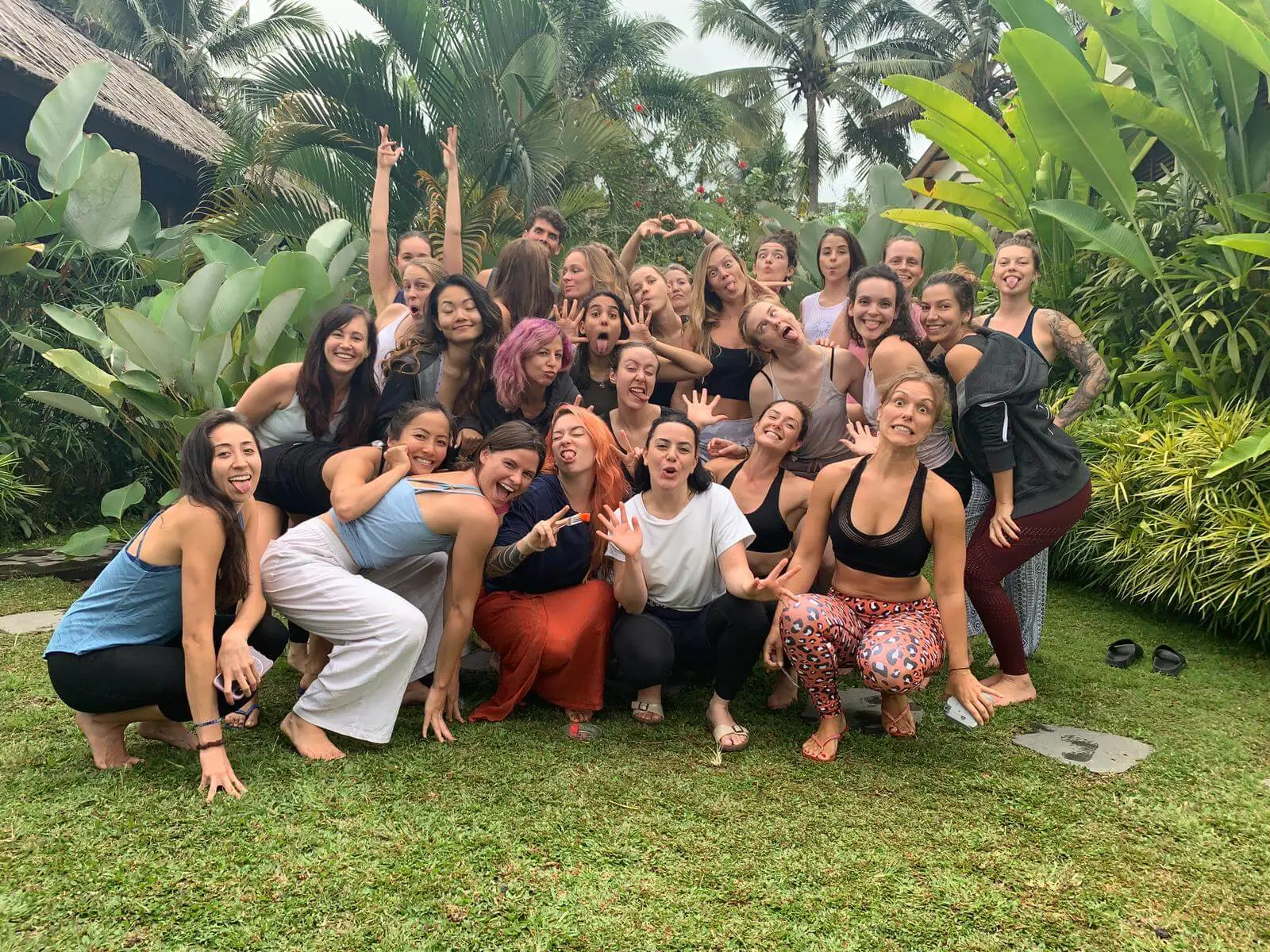
Community. The group of people you train with in Bali will become your Sangha. This support system is vital for the emotional shifts that occur during an intensive month.
19. Mantra (मन्त्र)
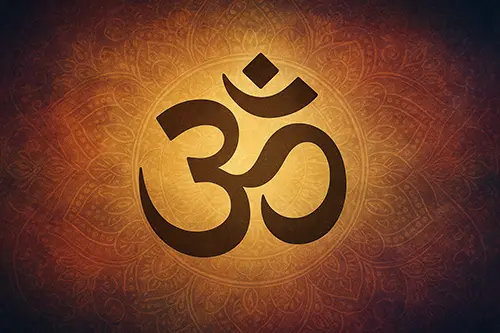
A sacred sound or vibration used to focus the mind. Man means mind, and tra means instrument. Chanting a Mantra is a powerful way to shift your internal frequency.
20. Sadhana (साधना)
Daily spiritual practice. Beyond the YTT, your Sadhana is what you take home with you. It is the commitment to show up for yourself every single day.
Why Learning Sanskrit Boosts Your YTT
At ADDA YOGA Bali, we believe that a teacher who knows the difference between a “pose” and an Asana is a teacher who can offer a more authentic and safe experience. Using these terms adds a layer of professionalism and “vibrational integrity” to your classes.
FAQ: Sanskrit in Yoga Teacher Training
📘
Do I need to speak fluent Sanskrit to be a yoga teacher?
No. You do not need to be fluent. However, knowing the primary names of poses and foundational philosophical terms is essential for professional certification and for guiding students safely and traditionally.
🔊
Why is Sanskrit used instead of English in yoga?
Sanskrit is a phonetic language where the sound of the word is believed to carry the actual vibration of the object or state it describes. Saying “Tadasana” is thought to ground the body more effectively than simply saying “Mountain Pose.”
🙏
Is it “disrespectful” to mispronounce Sanskrit terms?
While perfection isn’t expected immediately, making an effort to learn the correct pronunciation shows respect for the culture and lineage of yoga. Most Bali YTT programs include specific workshops on Sanskrit pronunciation.
🧠
How can I memorize the Sanskrit names of poses quickly?
Flashcards are a great tool! Also, try labeling your home practice by saying the Sanskrit name as you move into each pose. Many students find that breaking the word down, such as Adho = Down, Mukha = Face, and Svan = Dog, makes it much easier to remember.
🪷
Are all yoga terms in Sanskrit?
The vast majority of traditional terms are. However, some modern styles like Yin Yoga often use English names for poses, such as “Swan” instead of “Kapotasana”, to differentiate the energetic intent of the practice.
📜
Does knowing Sanskrit help with Yoga Alliance registration?
While Yoga Alliance doesn’t test your Sanskrit, a curriculum that includes Sanskrit study is a hallmark of a high-quality RYS, or Registered Yoga School, program. It demonstrates a commitment to the full breadth of yogic education.
Ready to Start Your Journey?
Preparing for a YTT is an exciting time. By arriving with a basic understanding of these terms, you clear the mental space needed to focus on the deeper, transformational aspects of your training. If you are looking for a school that balances academic rigor with the spiritual magic of the island, ADDA YOGA Bali offers an environment where these ancient terms truly come to life.