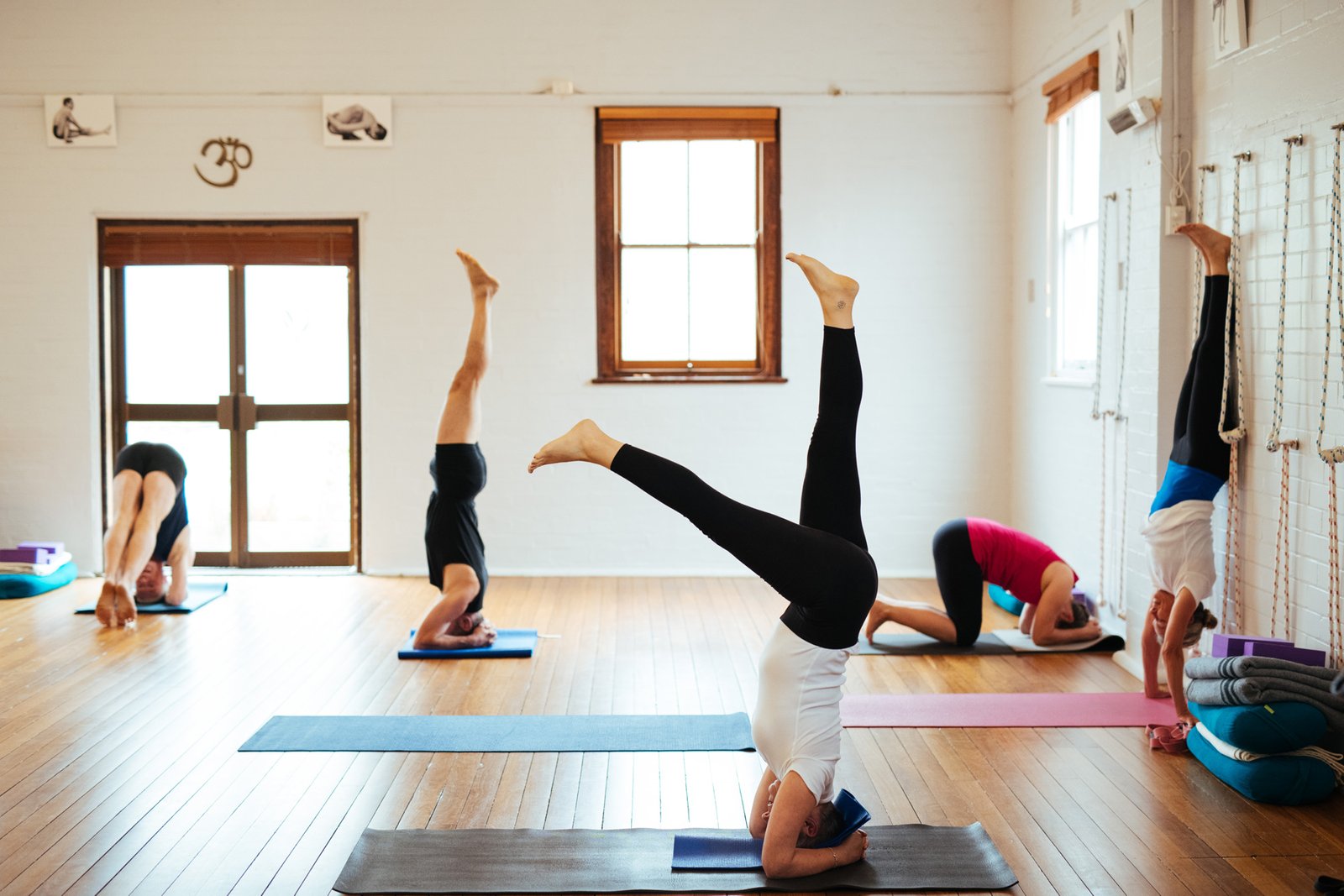
VINYASA YOGA
TRANSLATE with ![]() x
x
English
TRANSLATE with ![]()
Enable collaborative features and customize widget: Bing Webmaster Portal
More flowing style, dynamic, including sequencing and link between asanas and a strong emphasis
between breath and movement. Power Vinyasa involves longer hold, and faster movement perform in a
more athletic way.
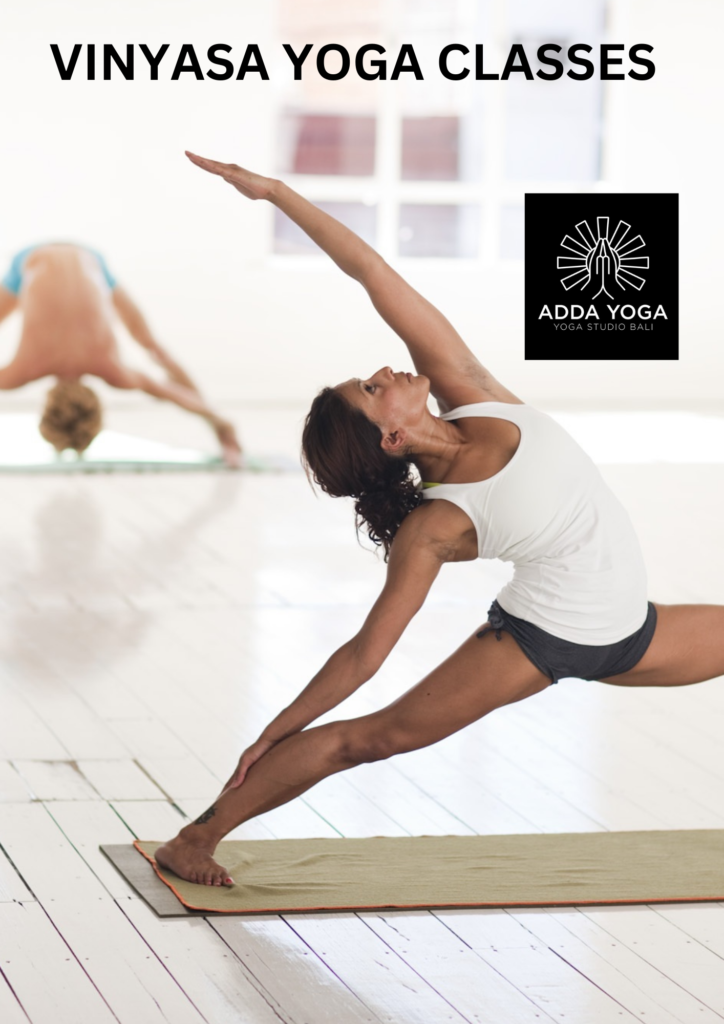
If you’ve only recently begun taking Yoga lessons at your favourite studio, you might have noticed a strange term that keeps appearing repeatedly. Vinyasa. You could be perplexed if you haven’t spent much time in a Yoga studio.
But don’t worry, we have covered you all with our comprehensive guide to vinyasa yoga. So let’s proceed with a list of questions that mostly every newbie asks.
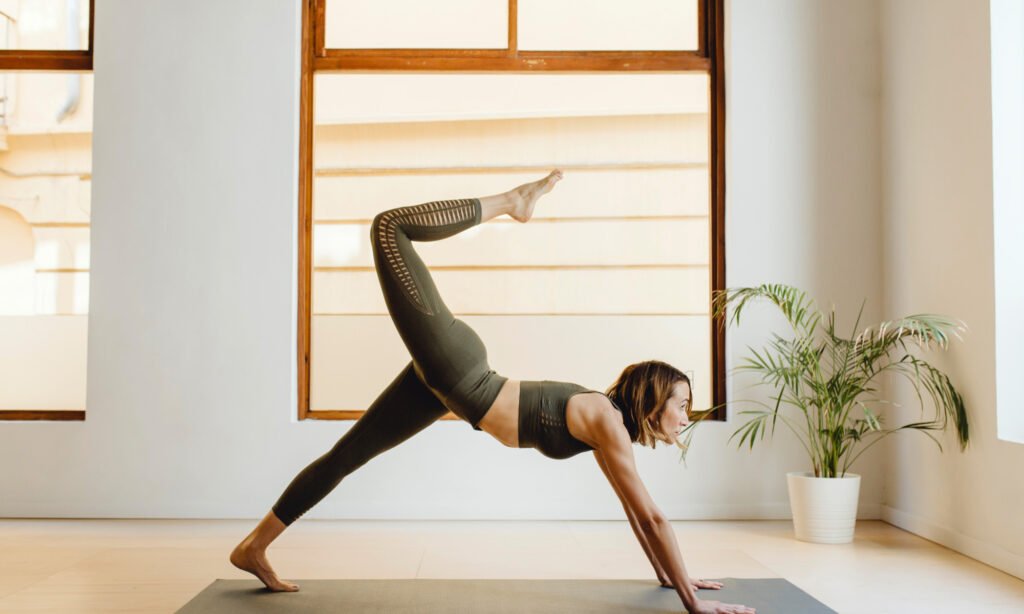
Technical Details of Vinyasa Practice and Teaching Vinyasa Yoga
Every vinyasa class will likely begin with a phase of setting intentions and conclude with a final relaxation.
The structure, tempo, and other elements, however, will vary from class to class in between.
In certain vinyasa sessions, the instructor could speak about postures and assume that everyone in the class knows how to perform them.
In other vinyasa classes, such as beginners focusing on alignment, teachers will give more detailed instructions on holding each posture.
Additionally, there are heated vinyasa studios and vinyasa courses that incorporate yin or restorative yoga as well as other styles of yoga.
We’ve said above that Ashtanga Yoga is commonly confused with “Vinyasa Flow Yoga,” so how precisely are they dissimilar?
Ashtanga employs a set series of postures, always the same, depending on the series that are meant to be performed daily. When the instructor determines that a student is ready, the sequence is gradually expanded.
The pupil is expected to memorize the sequence and perform it at their own breathing rhythm because the sequence is predetermined.
On the other hand, Vinyasa Yoga nearly typically follows a led, class-based approach.
Teachers create imaginative sequences designed to treat problems, work particular body areas, or progress to the most advanced positions and movements.
Although many teachers have pioneered their fixed sequences that they may cycle throughout the week, month, or year, vinyasa yoga sessions are still very unique from class to class.
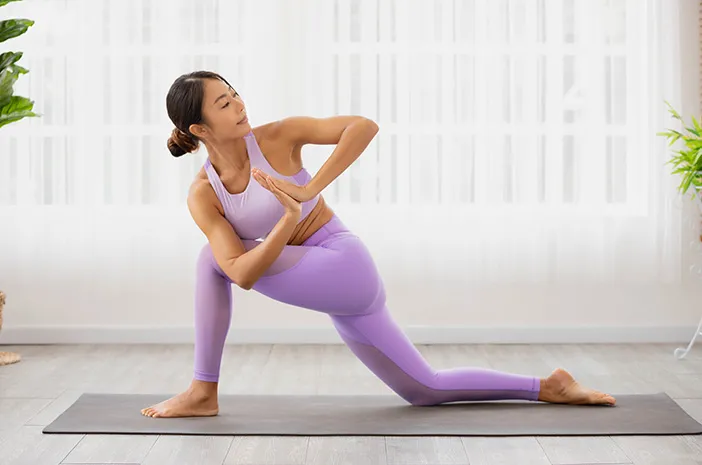
There are some vital health benefits of vinyasa yoga, including:
If you’re looking for a workout that is both challenging and relaxing, vinyasa yoga is a great option.
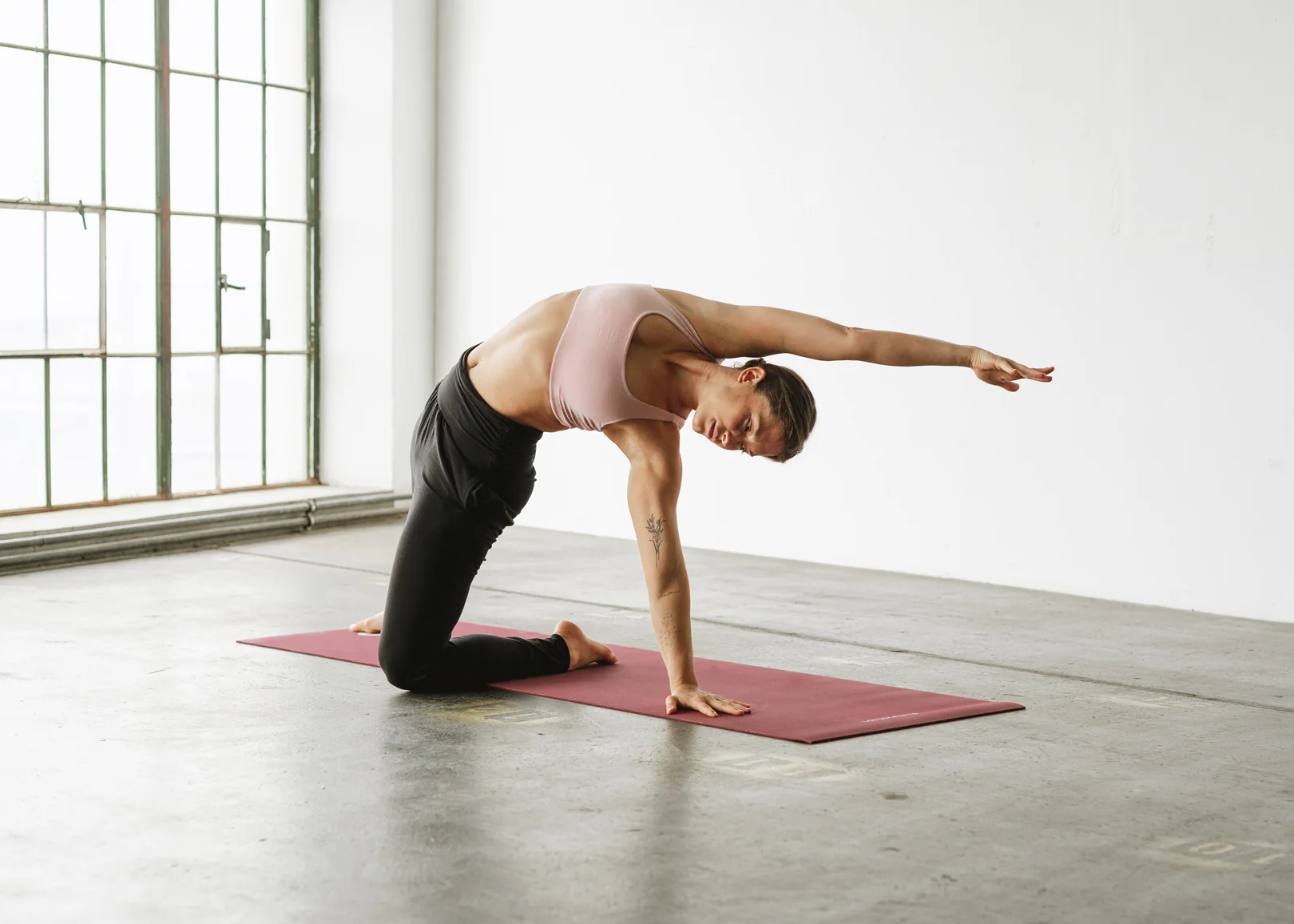
Vinyasa yoga is a flowing type of yoga because it emphasizes movement and breath. The word “vinyasa” means “to connect in a special way,” and the practice is often called “flow” yoga because of the continuous flow of movement.
Vinyasa Flow, often known as flow yoga, is a form of yoga that focus on transitions and movements rather than spending a lot of time in still positions.
Your entire body will frequently be worked throughout a Vinyasa flow session, and you’ll likely increase your range of motion by moving differently than you usually would.
If you’re looking for a workout that is both challenging and relaxing, vinyasa yoga is a great option.
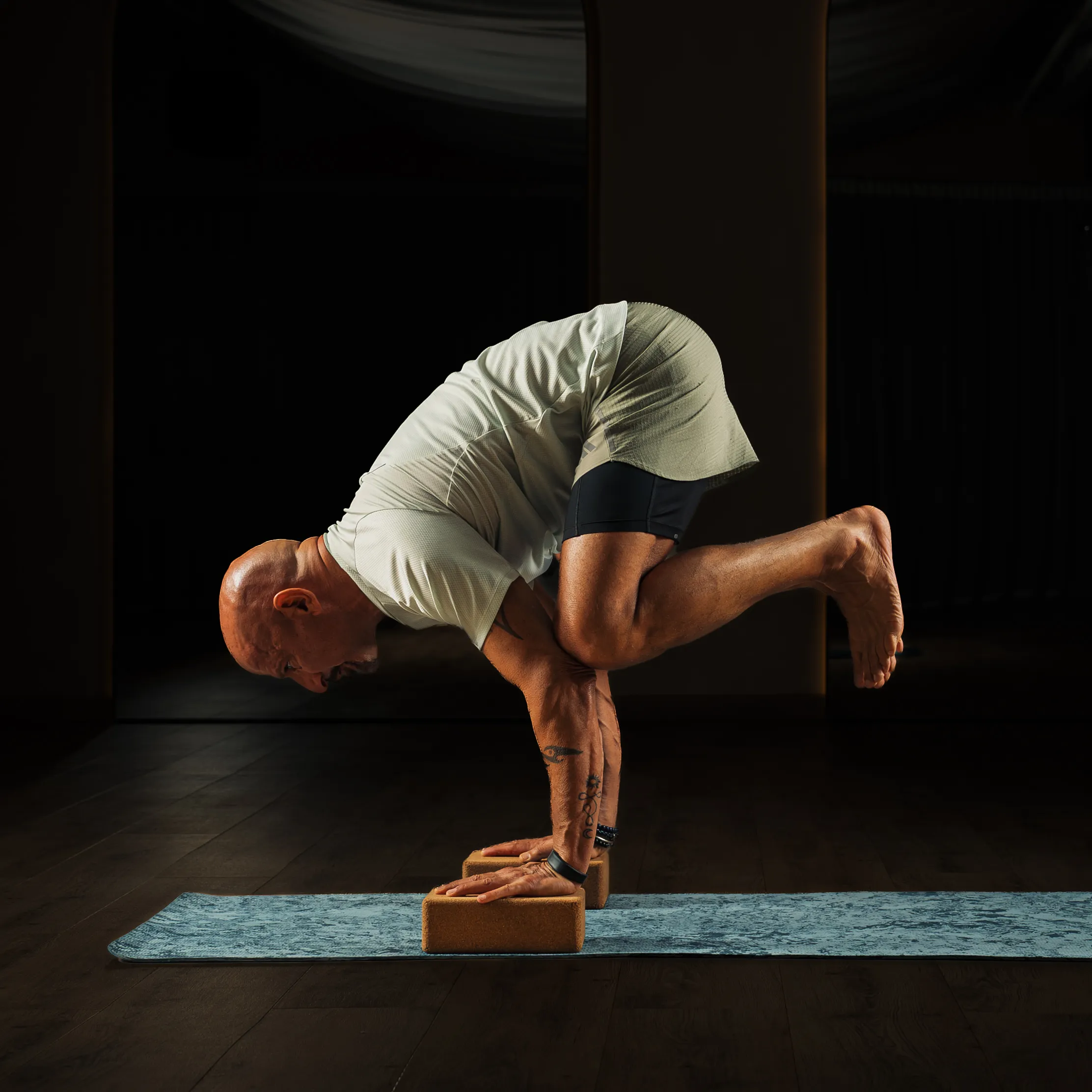
If your main goal is to become stronger with your yoga practice, then Power Vinyasa is the way to go!
Power Vinyasa is the strongest form of yoga that will burn higher amounts of calories with an intense pace of flowing throughout.
The intensity allows you to keep the heartbeat up and helps you enhance your physical, mental, and emotional stamina.
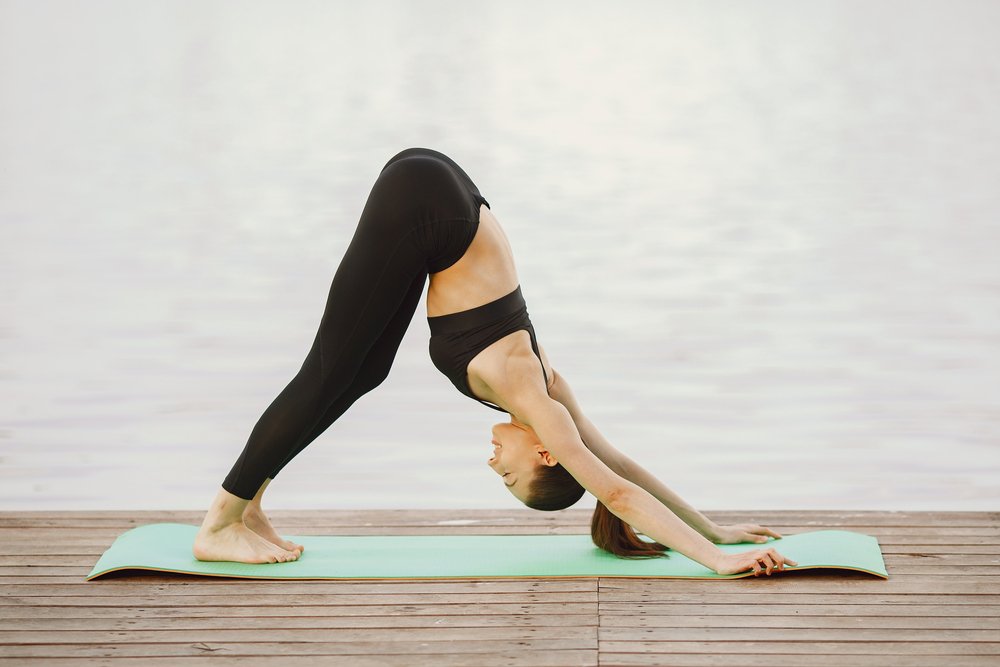
If you are looking for Yoga classes in Bali, ADDA YOGA has a wide range of quality classes, going from different lineages, style, speed and focusing on different aspects of the Yogic philosophy and practice . We aimed to not only concentrate on the physical part of Yoga, but to have a wider view and that our student understand practice breathing, meditation, understand the Yoga philosophy to go deeper in their mindful practice.
We have numerous Vinyasa classes, going from Slow Flow Vinyasa, Vinyasa Flow, Power Vinyasa.
Come and join us for a quality practice in our friendly yoga studio!