In the modern world of wellness, the term "Yoga" is often used as a catch-all for anything from a vigorous gym workout to a gentle stretching session. However, for those looking to transition from a casual practitioner to a dedicated teacher, the question of lineage becomes paramount. Where does the knowledge come from? How has …
In the modern world of wellness, the term “Yoga” is often used as a catch-all for anything from a vigorous gym workout to a gentle stretching session. However, for those looking to transition from a casual practitioner to a dedicated teacher, the question of lineage becomes paramount. Where does the knowledge come from? How has it evolved? And most importantly, how do we honor ancient roots while respecting modern biological science?
At ADDA YOGA Bali, our foundation is built upon the profound teachings of T. Krishnamacharya—often referred to as the “Father of Modern Yoga.” Yet, we are not a museum of the past. As a substantial holistic center and school, we believe that for Yoga to be truly transformative, it must be living, breathing, and evidence-based.
In this guide, we explore the history of our lineage and explain why the marriage of tradition and biomechanics is the most sustainable path for the modern yogi.
1. Who was Krishnamacharya? The Root of Our Practice
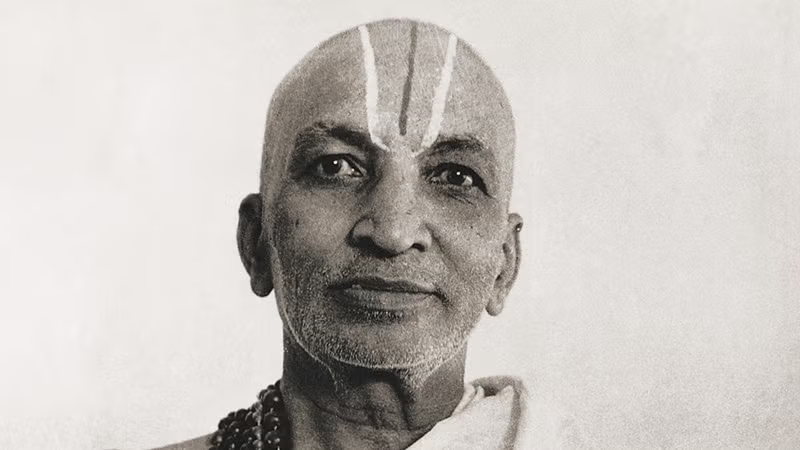
To understand the ADDA YOGA approach, one must first understand the legacy of Tirumalai Krishnamacharya. He was a scholar, a healer, and a revolutionary who revived the practice of Hatha Yoga in the early 20th century.
Krishnamacharya’s brilliance lay in his adaptability. He famously taught that Yoga should be taught to the individual, not the individual to the Yoga. This philosophy, known as Viniyoga, is the grandfather of the styles we know today, including Vinyasa, Ashtanga, and Iyengar.
The Core Principles We Inherit:
- Breath as the Master: In our lineage, the breath (Prana) initiates the movement. If the breath is strained, the pose is lost.
- Intelligent Sequencing (Vinyasa Krama): This is the art of moving from simple to complex, ensuring the body is physiologically prepared for peak postures.
- Holistic Integration: Yoga was never meant to be just physical. Krishnamacharya integrated Pranayama, Mudras, and Meditation into every session.
2. Bridging the Gap: The Role of Modern Science
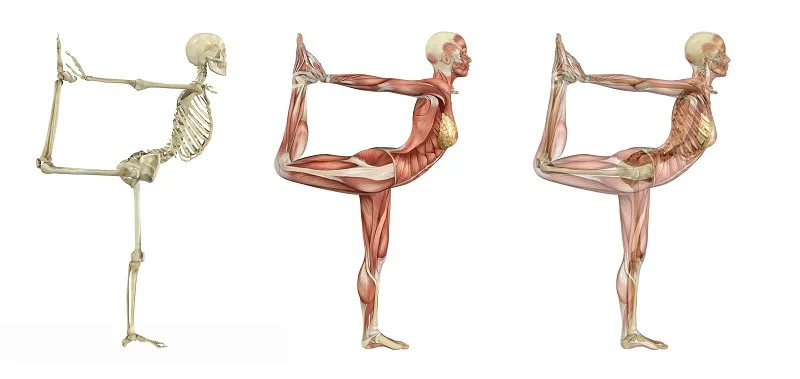
While we revere the ancient texts like the Yoga Sutras of Patanjali, we also recognize that our understanding of the human body has expanded significantly in the last century.
In a “Yoga Intensive” environment like a Bali YTT, relying solely on tradition without considering biomechanics can lead to repetitive strain injuries. This is where the ADDA YOGA method differentiates itself.
Functional Anatomy vs. Aesthetic Alignment
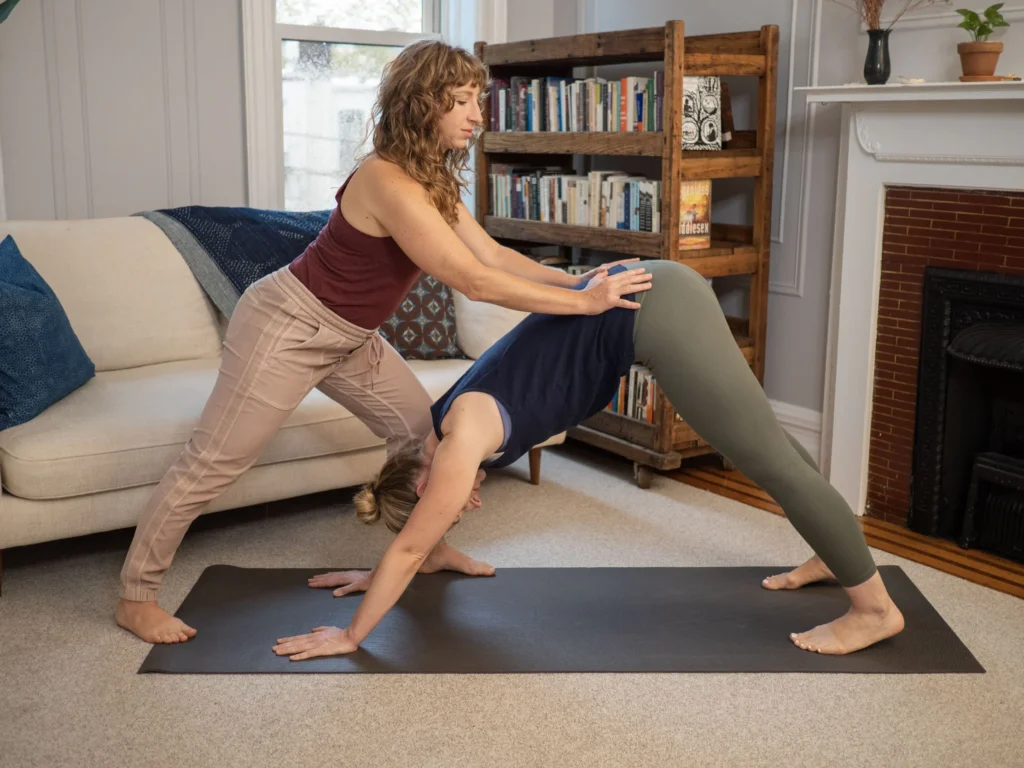
Traditional cues often focus on “perfecting” the shape of a pose based on how it looked 100 years ago. Modern science teaches us about skeletal variation. No two hip sockets are the same; therefore, no two Warrior II poses should look identical. By blending lineage with anatomy, we teach our students to look for Functional Alignment—the alignment that creates stability and safety for their specific bone structure.
The Nervous System and Sound Healing
Ancient yogis spoke of Nada Yoga (the yoga of sound). Today, science confirms the impact of vibrational frequencies on the Vagus Nerve. At our holistic center, we integrate Sound Healing and Breathwork not just as “spiritual” extras, but as scientifically proven methods to shift the body from a sympathetic (stress) state to a parasympathetic (recovery) state.
3. The LEGO Method: Building Your Knowledge Base
Our unique academic approach, the LEGO Method, is a direct reflection of this blend. We treat the ancient traditions as the “baseplate”—the firm, unmoving foundation of ethics (Yamas and Niyamas) and philosophy.
On top of that, we add the “bricks” of modern knowledge:
- Physiology of Stretching: Understanding the difference between passive and active flexibility.
- Neurobiology: How mindfulness affects the prefrontal cortex.
- Pedagogy: The science of how adults learn and retain complex information.
By structuring our Teacher Trainings this way, we ensure our graduates aren’t just repeating memorized scripts, but are capable of thinking critically as wellness professionals.
4. Why Lineage Matters for a Good Yoga School.
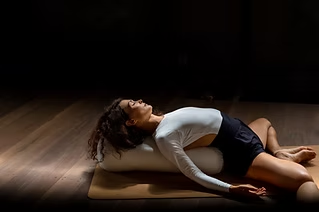
When you study at a school that honors a clear lineage, you are participating in a Parampara (an uninterrupted succession of knowledge). This provides you with:
- Credibility: You aren’t just making it up; you are part of a 5,000-year-old conversation.
- Safety: These methods have been “stress-tested” over generations.
- Depth: You move beyond the physical “workout” into the psychological and spiritual dimensions of the practice.
5. Integrating the “Lunar” and “Solar”
Krishnamacharya’s teachings balanced the Ha (Sun) and Tha (Moon). At ADDA YOGA Bali, we mirror this by offering a spectrum of practices.
- Solar Styles: Our Vinyasa and Hatha sessions focus on building Agni (digestive fire), strength, and cardiovascular health.
- Lunar Styles: Our Yin Yoga and Kundalini sessions focus on the connective tissues, the meridian system, and the subtle energy body.
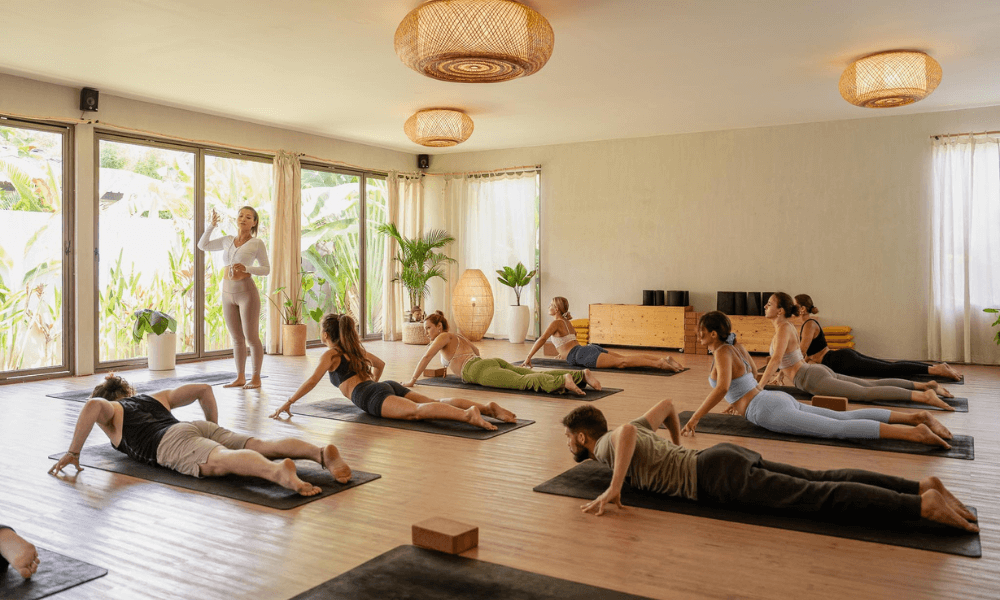
By understanding the science of the circadian rhythm and the physical load of a training, we teach you how to sequence classes that leave your students feeling balanced, rather than depleted.
Frequently Asked Questions (FAQ)
🧘
What is the Krishnamacharya lineage in Yoga?
It is a tradition of Yoga that emphasizes the personalization of practice. It is the root of most modern styles, including Vinyasa. It prioritizes the breath-body connection and the therapeutic application of Yoga postures.
🔬
Why is science important in Yoga Teacher Training?
Science provides the “safety manual” for ancient practices. It helps us understand why certain poses work, how to prevent injury through biomechanics, and how the nervous system responds to techniques like Pranayama and Meditation.
📜
Do I need to know history to be a good Yoga teacher?
While you can teach a physical class without history, understanding lineage provides Authority and Expertise. It allows you to explain the “why” behind the poses and connects your students to a deeper sense of purpose and tradition.
🧱
What is the “LEGO Method” at ADDA YOGA?
The LEGO Method is our structured academic approach to YTT. It involves daily “bricks” of knowledge—theory, anatomy, and practice—that build upon each other weekly to ensure a comprehensive, easy-to-digest education.
🎶
How does Sound Healing fit into traditional Yoga?
Sound Healing is rooted in Nada Yoga, the ancient study of sound and vibration. Modern wellness uses it to facilitate deep relaxation. At ADDA YOGA, we use it to support the recovery of our students during the intense physical load of a training.
The Path Forward: Tradition Meets Evolution
The beauty of Yoga lies in its ability to adapt. Krishnamacharya did not teach the same way his teachers did, and we do not teach exactly as he did. We evolve because the needs of the human body and mind change with the environment.
At ADDA YOGA Bali, we are proud to be a bridge between the ancient shalas of India and the modern wellness centers of Bali. Whether you are here for a 200-hour YTT, a private wellness ceremony, or a simple Vinyasa flow, you are stepping into a lineage of excellence.
Experience the ADDA Difference
Ready to deepen your practice with a school that values both depth and data? Explore our Upcoming Trainings or join us for a Holistic Wellness Workshop in the heart of Canggu.
At ADDA YOGA, we don’t just teach the poses; we teach the person. Let us help you find your unique path within this ancient tradition.
Contact us today at +62 878 1553 9543!