
Embarking on a Yoga Teacher Training (YTT) is a transformative journey for the body, mind, and spirit. When that journey takes place in the lush, tropical landscapes of Bali, the experience is heightened by the island’s vibrant energy and spiritual heritage. However, the physical intensity of a multi-week intensive requires your body to be at …

Embarking on a Yoga Teacher Training (YTT) is a transformative journey for the body, mind, and spirit. When that journey takes place in the lush, tropical landscapes of Bali, the experience is heightened by the island’s vibrant energy and spiritual heritage. However, the physical intensity of a multi-week intensive requires your body to be at its peak performance.
One of the most common hurdles for practitioners arriving in Indonesia is the dreaded “Bali Belly.” In clinical terms, this is a form of traveler’s diarrhea caused by bacteria, viruses, or parasites found in contaminated food or water. During a YTT, where focus and physical stamina are paramount, a digestive upset can disrupt your practice and your progress.
To help you maintain your Prana (life force energy) and stay present on your mat, we have compiled this comprehensive guide to navigating the tropical climate and culinary scene safely.
The Foundation: Why Digestive Health Matters for Yogis
In the holistic tradition of Yoga, the gut is often considered the “second brain.” According to Ayurveda, a strong Agni digestive fire is essential for processing not just food, but also the emotional and mental shifts that occur during an intensive training.
When you are practicing asanas for several hours a day in 30°C heat, your body is already working hard to regulate its temperature and repair muscle tissue. An infection like Bali Belly taxes your immune system, leads to rapid dehydration, and can leave you feeling depleted for days. Preventing illness isn’t just about avoiding discomfort; it’s about honoring your body as a temple during this sacred period of study.
1. Hydration Strategies: Water is Life

The most common source of Bali Belly is untreated water. While Bali’s infrastructure is modernizing, tap water is generally not potable.
- Avoid Tap Water: Never drink from the tap. This includes brushing your teeth; use bottled or filtered water instead.
- The Ice Rule: Most reputable cafes and yoga centers in Canggu and Ubud use “Es Kristal”, government-certified ice made from purified water. If you are at a high-end wellness hub, the ice is usually safe, but when in doubt at smaller local stalls, skip it.
- Electrolyte Balance: Sweating through a 90-minute Vinyasa flow in the tropics means you are losing more than just water. Supplement your intake with natural electrolytes. Fresh young coconuts, Kelapa Muda, are abundant in Bali and are nature’s perfect rehydration drink.
2. Conscious Eating: Navigating the Tropical Menu
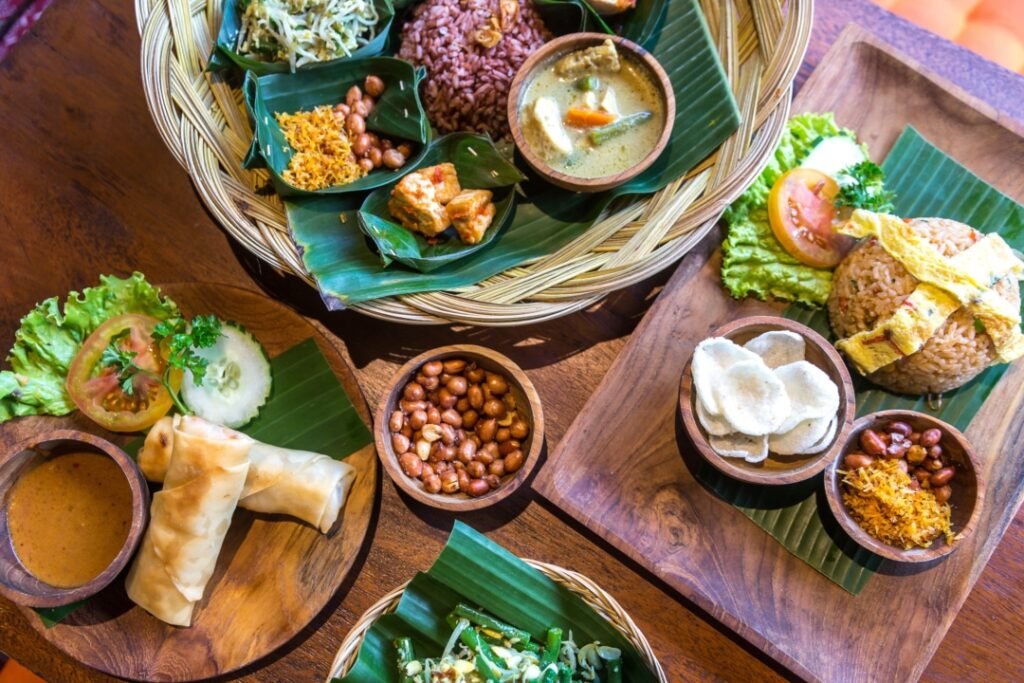
Bali is a global mecca for plant-based, organic, and health-conscious cuisine. From vibrant dragon fruit bowls to traditional Gado-Gado, the options are endless. However, even “healthy” food can carry risks if not handled correctly.
The “Boil It, Cook It, Peel It, or Forget It” Rule
While this is a classic traveler’s mantra, it applies perfectly to the tropics.
- Raw Veggies: Be cautious with salads or garnishes at smaller, unverified eateries, as they may have been washed in tap water.
- Fruit: Stick to fruits you peel yourself, such as bananas, mangos, and mangosteens.
- Protein: If you consume animal products, ensure they are served piping hot.
Boosting Your Agni with Probiotics
A proactive approach involves preparing your gut flora before you even land.
- Probiotics: Start taking a high-quality, shelf-stable probiotic supplement two weeks before your YTT begins.
- Local Ferments: Bali has an incredible selection of local Kombucha and Jamu, a traditional Indonesian turmeric tonic. Jamu is particularly beneficial for yogis as it contains anti-inflammatory turmeric and ginger, which support both digestion and joint health.
3. Hygiene in a Humid Climate

The tropical heat provides a perfect environment for bacteria to thrive. Simple lifestyle adjustments can make a world of difference.
- Hand Hygiene: Wash your hands frequently, especially before meals and after handling local currency. Keep a natural, essential-oil-based hand sanitizer in your yoga bag.
- Shower Smart: It is tempting to let the cool water run over your face during a post-practice shower. Keep your mouth closed to avoid accidental ingestion.
- Dry Your Gear: Bacteria love damp yoga mats. Ensure your mat and towels are dried thoroughly in the sun or a well-ventilated area to prevent “mat funk” and skin irritations.
4. Holistic Prevention and Early Response
Sometimes, despite our best efforts, our systems react to the change in environment. Being prepared with a “Yogi’s First Aid Kit” is essential.
- Activated Charcoal: Many practitioners swear by activated charcoal tablets at the first sign of a gurgling stomach. It can help bind toxins and usher them out of the system.
- Grapefruit Seed Extract: Known for its potent antimicrobial properties, a few drops in your water, filtered, can act as a natural preventative.
- Rest and Restoration: If you do feel unwell, do not push through a physically demanding Hatha or Ashtanga class. Transition your practice to Savasana or a gentle Yin. Listening to your body is the highest form of Yoga.
How ADDA YOGA Bali Supports Your Journey
At ADDA YOGA Bali, we understand that your YTT is a significant investment in your personal and professional growth. We prioritize the health of our students by ensuring our facilities meet high standards of cleanliness and providing access to purified water at all times. Whether you are joining us for a daily drop-in or a long-term immersion, our community is here to provide guidance on the best local spots to eat safely and how to maintain your vitality throughout your stay.

Frequently Asked Questions (FAQ)
💧
Can I drink the water in Bali if it’s been boiled?
Yes, boiling water kills most pathogens. However, for most travelers and students, it is more convenient and safer to use filtered “Gallon” water provided by your accommodation or yoga studio.
💊
Should I take “Dukoral” before coming to Bali?
Dukoral is an oral vaccine for cholera and some strains of E. coli. Many travelers find it helpful, but it is best to consult with a travel clinic or your doctor to see if it’s right for your specific health profile.
🤢
What should I do if I get Bali Belly during my YTT?
- Hydrate: Use Oral Rehydration Salts, also known as ORS.
- Communicate: Inform your lead trainer. They are experienced in supporting students through this and can help you adjust your practice.
- Seek Help: If you have a high fever or cannot keep fluids down, Bali has excellent medical clinics, such as BIMC or Siloam, that can provide IV hydration and medication.
🍛
Is it safe to eat at “Warungs”?
“Warungs”, or local Indonesian cafes, are the heart of Bali’s food culture. To eat safely, choose busy warungs with a high turnover of food. If the food is sitting behind glass, ensure it looks fresh and is served hot. Many modern warungs in Canggu are very accustomed to catering to western digestive sensitivities.
🌶️
Does spicy food help kill bacteria?
While chili has some antimicrobial properties, very spicy food can also irritate a sensitive stomach that isn’t used to it. Moderation is key until your body acclimates to the local cuisine.
Conclusion
Your time in Bali should be defined by the clarity of your breath and the depth of your meditations, not by time spent away from the shala. By following these mindful practices — staying hydrated with purified water, choosing your meals with intention, and maintaining high hygiene standards — you can ensure your body remains a vibrant vessel for the teachings of Yoga.
Stay mindful, stay hydrated, and we look forward to seeing you on the mat in paradise.