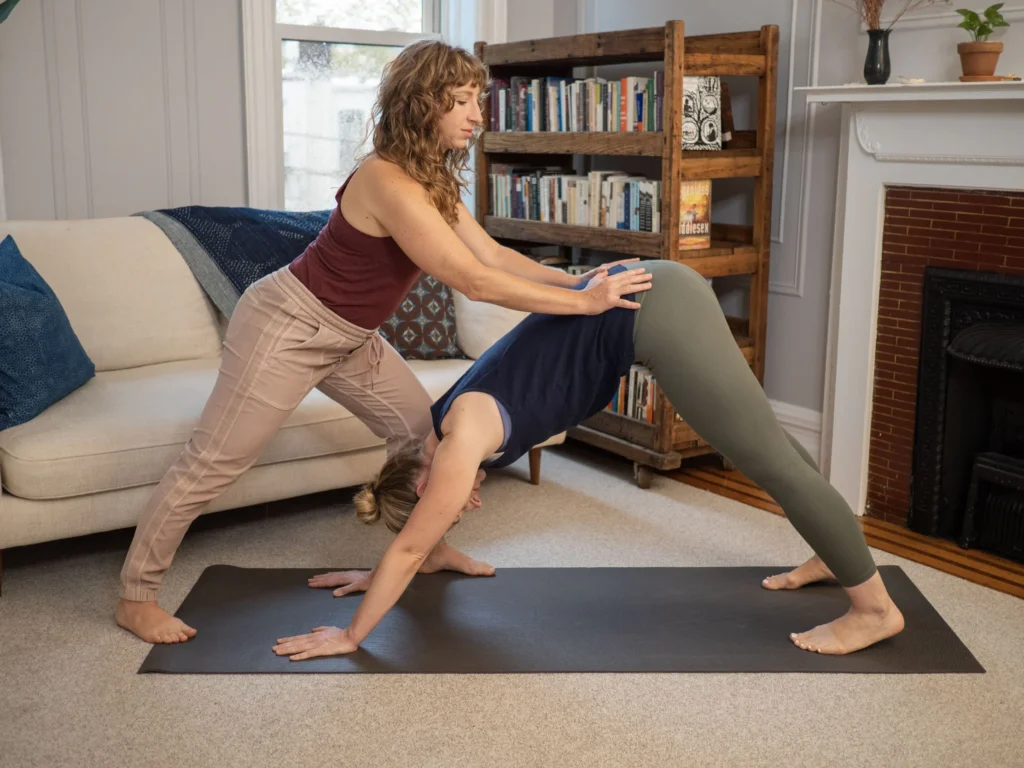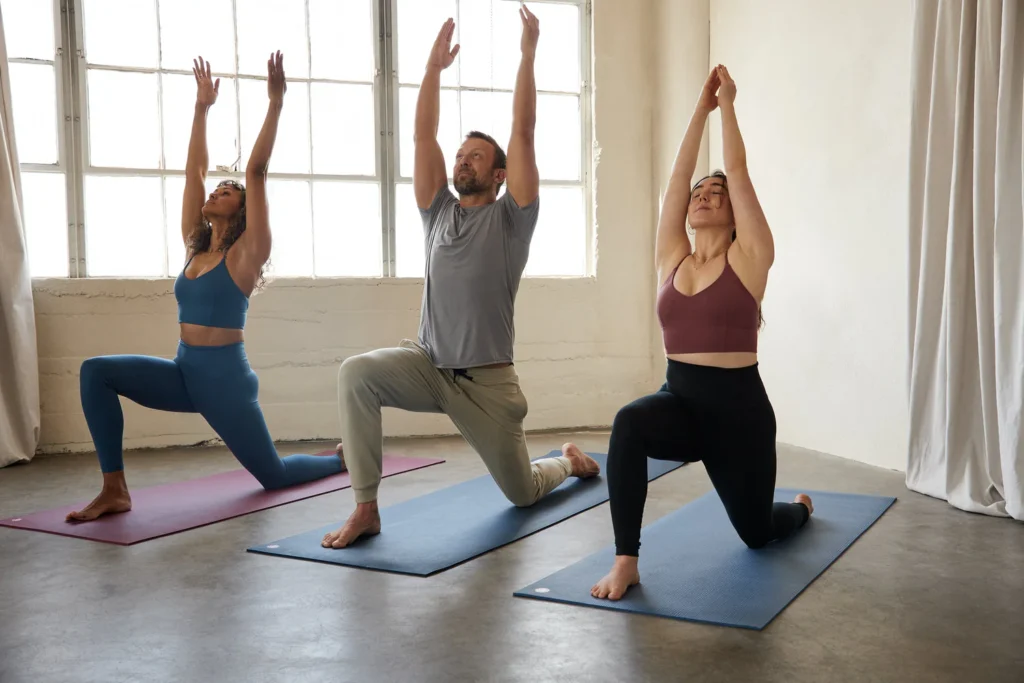
Embarking on a Yoga Teacher Training (YTT) is a profound commitment to your personal and professional evolution. When that journey takes you to the "Island of the Gods," the transformation is amplified by Bali’s unique spiritual energy, or Taksu. However, before you can find stillness in Savasana or dive into the nuances of Vinyasa sequencing, …

Embarking on a Yoga Teacher Training (YTT) is a profound commitment to your personal and professional evolution. When that journey takes you to the “Island of the Gods,” the transformation is amplified by Bali’s unique spiritual energy, or Taksu. However, before you can find stillness in Savasana or dive into the nuances of Vinyasa sequencing, there is a pragmatic layer of “karmic housekeeping” to attend to: the logistics of international travel.
Navigating Indonesian immigration, health protocols, and local customs can feel overwhelming from afar. At ADDA YOGA Bali, we believe that a focused mind starts with a settled life. This guide serves as your logistical foundation, ensuring that when you step into our holistic center, your only focus is the union of breath and movement.
1. Navigating the Indonesian Visa Landscape

The most critical piece of your YTT puzzle is securing the correct legal right to stay. Indonesian visa regulations have become more streamlined, but they require precision.
The B1 Tourist Visa (Visa on Arrival – VoA)
For most 200-hour YTT students, typically 21–28 days, the B1 Visa on Arrival is the standard choice.
- Duration: 30 days.
- Extension: Can be extended once for an additional 30 days, giving you a total stay of 60 days, at a local immigration office or via an agent.
- Process: You can apply online through the e-VoA before arrival to skip the queues at Denpasar, DPS, airport.
The B211A (Visit Visa)
If you are planning to combine your YTT with an extended soul-searching journey or a 300-hour advanced training, the B211A is the preferred path.
- Duration: 60 days.
- Extension: Can be extended twice, each for 60 days, allowing for a total stay of 180 days.
- Requirement: This requires a sponsor, often a visa agency, and must be applied for before you enter Indonesia.
Expert Tip: Always ensure your passport has at least 6 months of validity from your date of entry and at least two blank pages. Indonesian immigration is strict regarding passport condition; even a small tear can result in a denied entry.
2. Health and Vaccinations: Protecting Your Temple
A YTT is a high-load physical experience. Maintaining your vitality is essential for absorbing the anatomy, philosophy, and alignment modules of your course.
Recommended Vaccinations
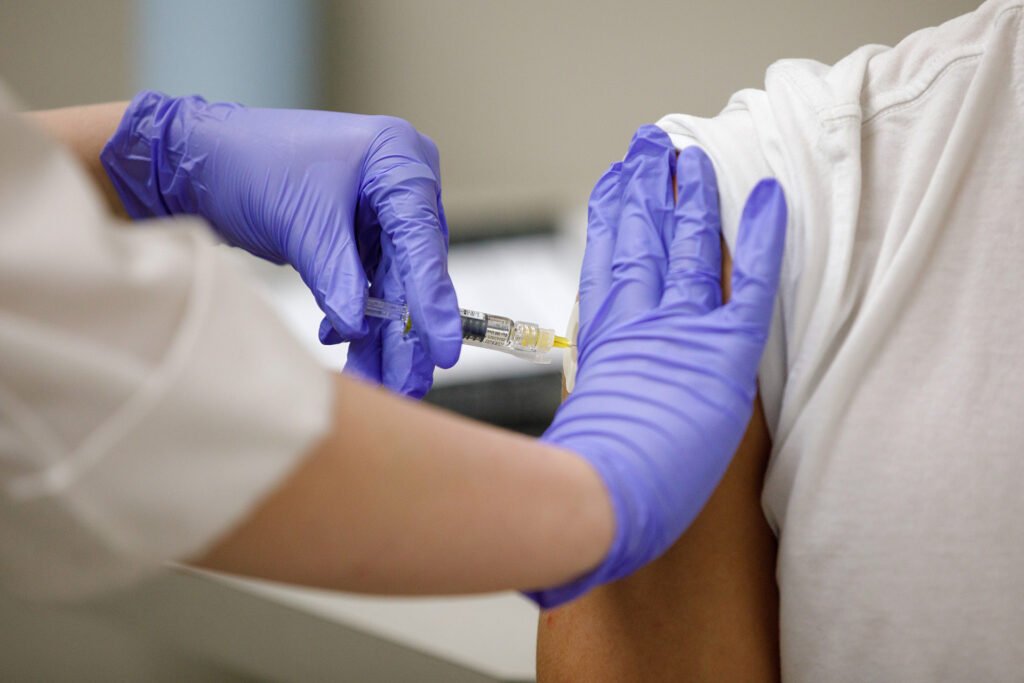
While Indonesia currently does not require specific vaccination certificates for entry, post-COVID-19 protocols, the CDC and WHO generally recommend the following for long-term stays in Southeast Asia:
- Routine Vaccines: Ensure your Tetanus, MMR, and Polio shots are up to date.
- Typhoid & Hepatitis A: Highly recommended due to food and water exposure.
- Rabies: Bali has a significant population of street dogs, known as Bali Dogs, and monkeys. While the risk is low in a controlled studio environment, a pre-exposure series provides peace of mind.
Navigating “Bali Belly”
Nothing disrupts a Pranayama session like digestive distress. To stay Sattvic, pure and balanced:
- Water: Never drink tap water. Use filtered water provided by the studio for drinking and even brushing your teeth.
- Ice: In reputable cafes in Canggu and Ubud, ice is made from bottled water, but proceed with caution in more rural areas.
- Activated Charcoal: Many students keep this on hand to bind toxins at the first sign of an upset stomach.
3. The Physical Load: Preparing for the Heat
Practicing Vinyasa in a tropical climate is vastly different from a climate-controlled studio in Europe or North America. The humidity in Bali acts as a natural “heat-building” element, increasing your flexibility but also your rate of fluid loss.
Electrolytes are Non-Negotiable
Drinking water alone isn’t enough when you are sweating through four hours of Asana daily.
- Natural Hydration: Fresh young coconuts, Kelapa Muda, are Bali’s natural isotonic drink, rich in potassium.
- Supplements: Bring high-quality electrolyte powders that include magnesium to prevent the muscle cramping often associated with “Yoga Intensive” physical loads.
4. Packing for the Shala and Beyond

When packing for ADDA YOGA Bali, think of “breathable utility.”
- Yoga Gear: Bring moisture-wicking fabrics. Cotton tends to stay wet in the humidity. You will likely go through two outfits a day.
- The “Temple Kit”: Respecting Balinese culture is part of the yoga of life. To enter any temple, you must have your shoulders covered and wear a Sarong and Sash.
- Footwear: Slip-on sandals are the unofficial uniform of Bali. You will be removing your shoes frequently before entering studios and homes.
5. Arrival Logistics: From DPS to Canggu
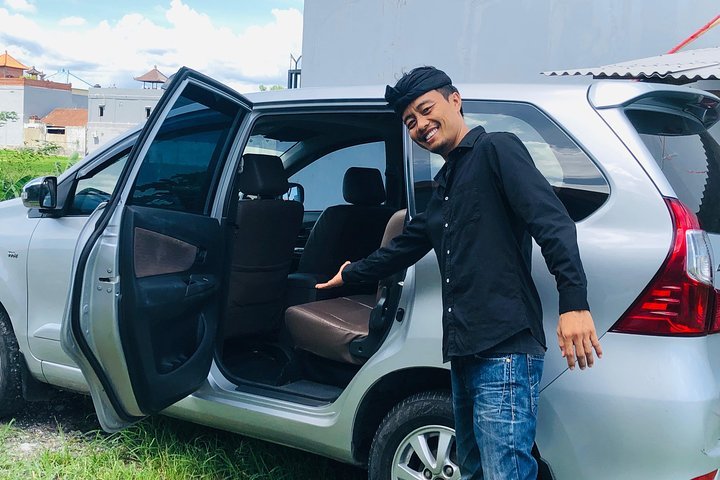
Denpasar Airport can be a sensory explosion. To maintain your Zen:
- Pre-Booked Transport: Arrange a pick-up through your school or a trusted app like Grab or Gojek.
- Sim Cards: You can buy a Telkomsel sim card at the airport, but it is often cheaper to get an eSim, like Airalo, before landing so you have immediate data for maps and translation.
6. Living the Lifestyle: Cultural Etiquette
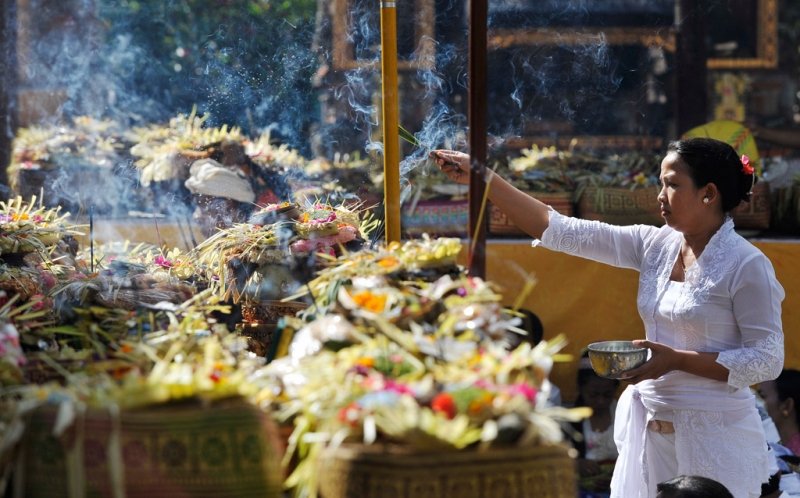
Yoga in Bali is not just a physical practice; it is deeply intertwined with Hindu Dharma.
- Canang Sari: You will see small palm-leaf baskets with flowers and incense on the ground everywhere. These are daily offerings. Be careful not to step on them, as they are a bridge between the physical and spiritual worlds.
- The Head is Sacred: In Balinese culture, the head is the holiest part of the body. Avoid touching locals, including children, on the head.
Frequently Asked Questions (FAQ)
🌤️
What is the best month to do a YTT in Bali?
The Dry Season, from April to October, is ideal, with lower humidity and cooler evenings. However, the Wet Season, from November to March, offers a lush, quiet, and deeply introspective atmosphere, though you should be prepared for afternoon tropical downpours.
🛡️
Do I need travel insurance for a Yoga Teacher Training?
Yes. Ensure your policy covers Yoga and Leisure Sports. If you plan on renting a scooter, the primary mode of transport in Bali, ensure your insurance covers it and that you possess an International Driving Permit (IDP).
🌴
Is Canggu or Ubud better for a YTT?
Ubud is the traditional heart of Bali’s jungle spirituality. Canggu, where ADDA YOGA Bali is located, offers a vibrant blend of world-class holistic centers, ocean energy, and a thriving digital nomad community. It is perfect for those who want a modern wellness lifestyle with easy access to the beach.
📱
Can I use my phone’s GPS to get around?
Yes, data is affordable and coverage is generally excellent in wellness hubs. Downloading the Gojek app is essential for affordable scooter taxis and food delivery during your rest days.
💰
How much spending money do I need?
Outside of your tuition, Bali can be as affordable or as luxurious as you choose. For a comfortable experience including healthy cafe meals, scooter rental, and occasional massages, budget approximately $25–$40 USD per day.
Final Thoughts: Arriving with an Empty Cup
The logistics of visas and vaccinations are simply the “external alignment” of your training. Once the paperwork is done and the flight is booked, the real work begins: the internal alignment.
At ADDA YOGA Bali, we provide more than just a certificate; we offer a sanctuary for high-quality, authentic practice. By handling your logistics early, you arrive at our school with an “empty cup,” ready to be filled with the ancient wisdom of the yoga tradition.
Ready to Begin Your Journey?
Explore our upcoming 200-Hour Yoga Teacher Trainings or join us for a Holistic Sound Healing session at our Canggu center. At ADDA YOGA, we don’t just teach yoga; we live it.