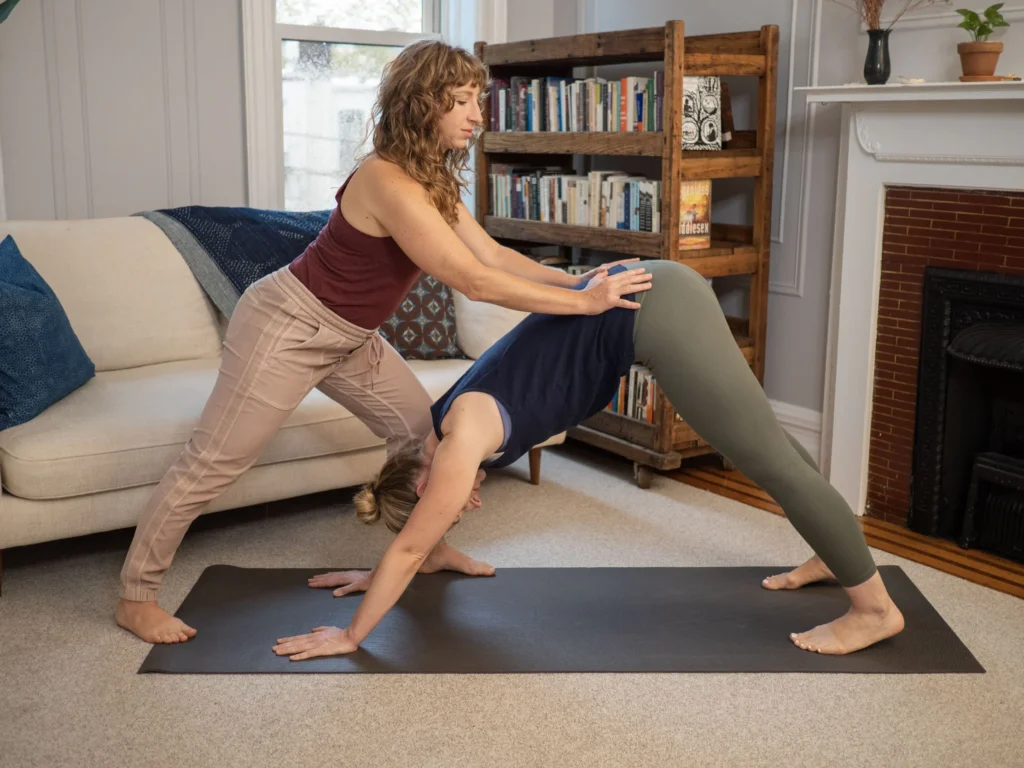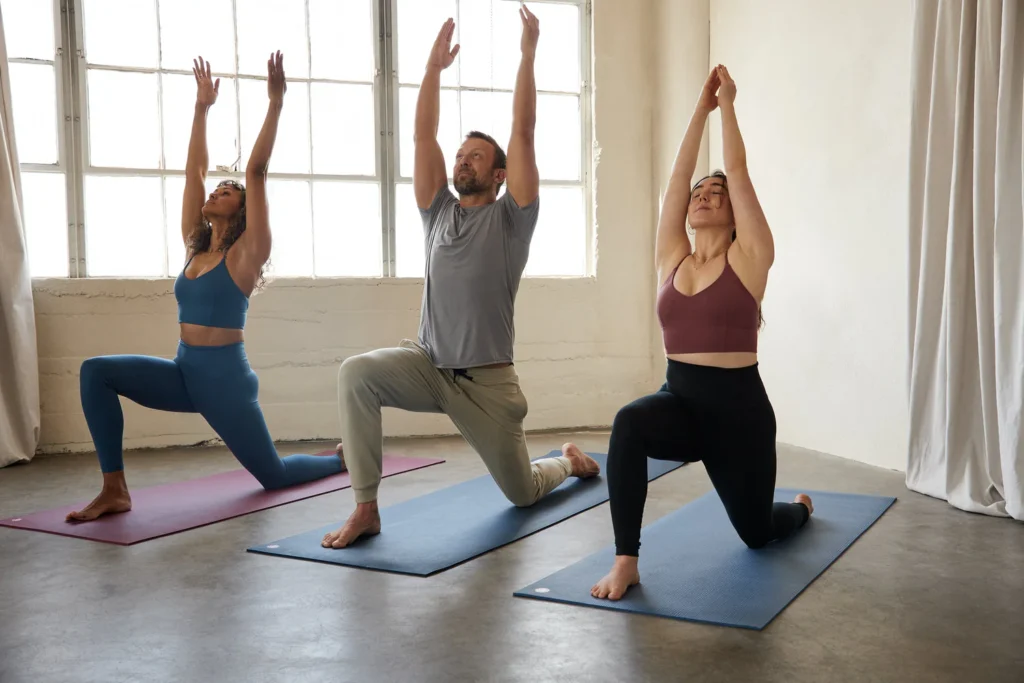
Practicing yoga in Bali is a transformative experience. Whether you are flowing in an open-air shala in Canggu or finding stillness amidst the lush greenery of Ubud, the island’s energy is undeniable. However, Bali’s tropical climate presents a unique challenge for practitioners: intense humidity.In a high-moisture environment, a standard yoga mat can quickly transform from …
Practicing yoga in Bali is a transformative experience. Whether you are flowing in an open-air shala in Canggu or finding stillness amidst the lush greenery of Ubud, the island’s energy is undeniable. However, Bali’s tropical climate presents a unique challenge for practitioners: intense humidity.
In a high-moisture environment, a standard yoga mat can quickly transform from a supportive foundation into a slippery hazard. Maintaining stability in a challenging Vinyasa flow or finding grounding in a standing balance requires a surface that works with—not against—the moisture of the tropics.
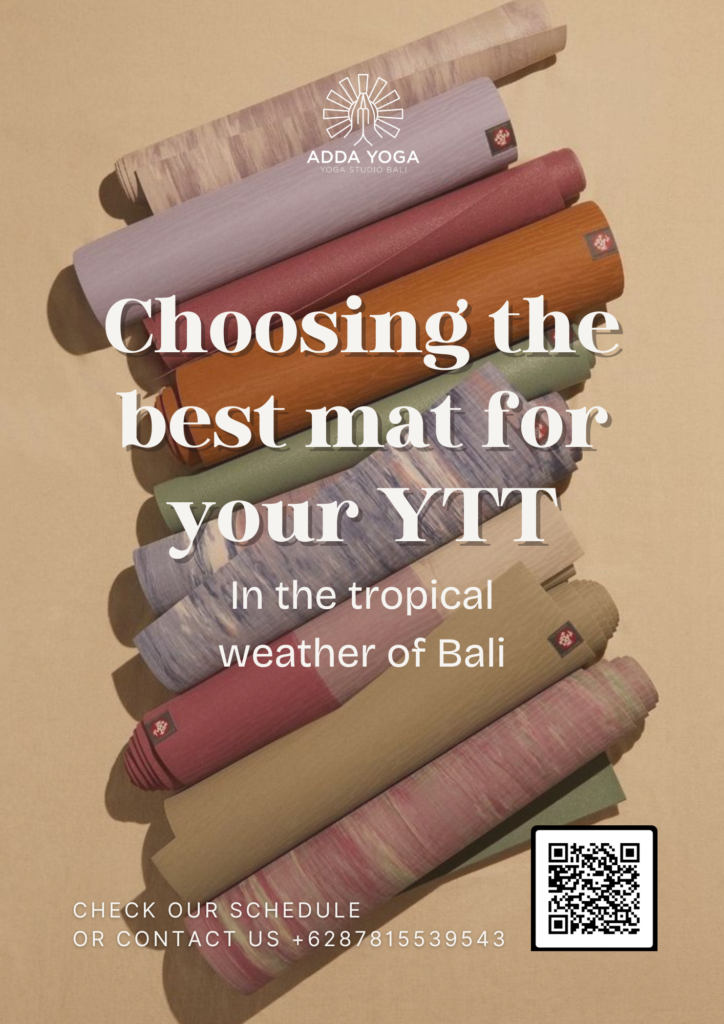
To help you navigate your practice at ADDA YOGA Bali, we have broken down the science of grip, durability, and hygiene across the three most popular materials: Natural Rubber, Cork, and Microfiber.
The Bali Factor: Why Material Science Matters
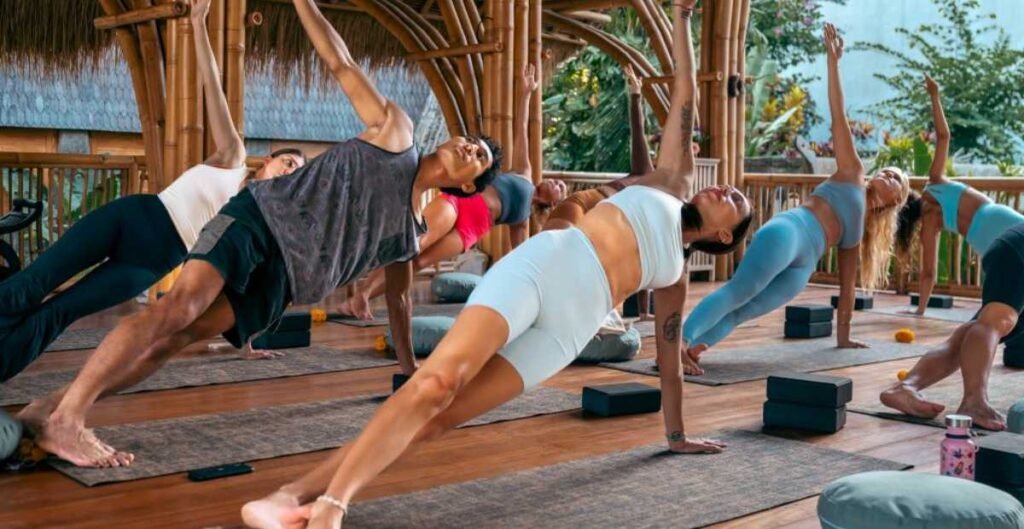
In a climate where the average humidity often exceeds 80%, your body’s natural cooling mechanism, sweat, interacts differently with your equipment. A mat that feels “sticky” in a climate-controlled studio in Europe may become slick the moment the tropical air hits it.
At ADDA YOGA, where we prioritize the precision of alignment and the safety of our students, we believe that a great mat isn’t just an accessory; it is a tool for injury prevention and moving meditation.
1. Natural Rubber Mats: The Gold Standard for Traction
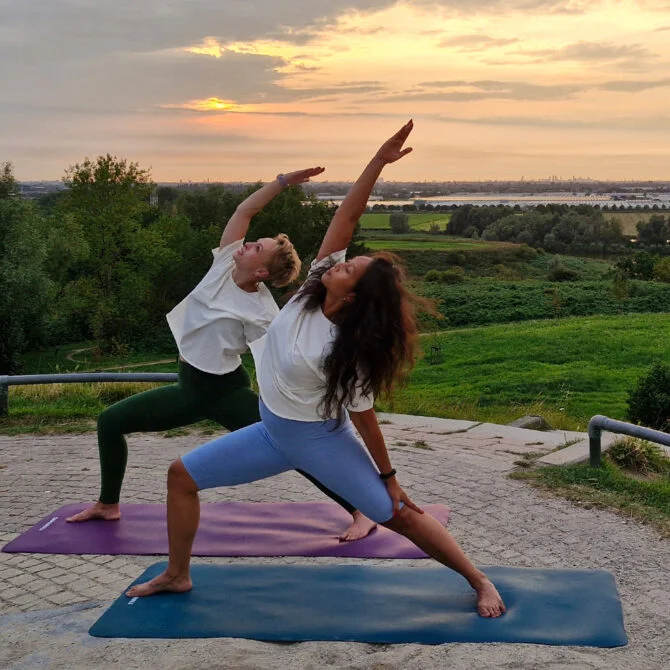
Natural rubber is widely considered the “pro” choice for serious practitioners. Derived from sustainable sources, these mats offer an open-cell structure that provides immediate, high-performance grip.
The Pros:
- Unrivaled Density: Rubber mats offer excellent “floor feel” and joint protection. This is vital for Hatha or Power Yoga sessions where stability is non-negotiable.
- Immediate Grip: Unlike other materials, rubber doesn’t need to be “warmed up.” It provides “dry grip” from the first Sun Salutation.
- Eco-Friendly: Most high-quality rubber mats are biodegradable and free from toxic glues or PVC.
The Bali Challenge:
Rubber is sensitive to heat and UV light. If you are practicing in a sunny spot or leaving your mat in a scooter seat, the material can oxidize and lose its bounce over time. Additionally, the open-cell structure that provides grip also traps sweat and bacteria, requiring diligent cleaning in the Bali heat.
2. Cork Yoga Mats: The Antimicrobial Powerhouse
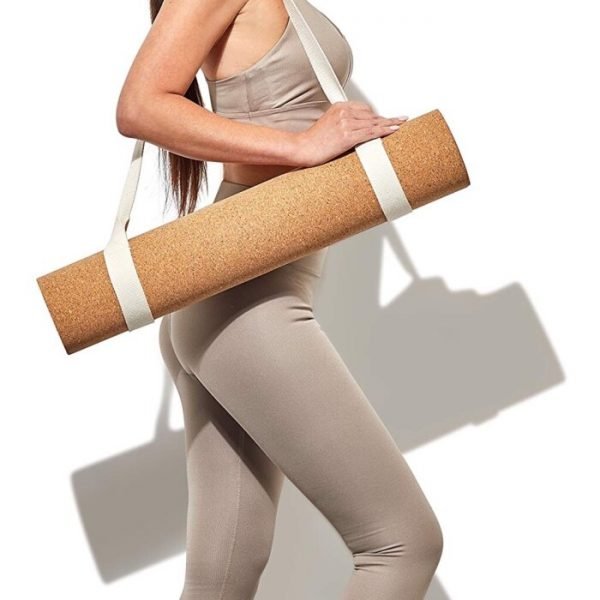
Cork has seen a massive surge in popularity across Bali’s wellness community, and for good reason. Harvested from the bark of Mediterranean oak trees, cork contains suberin, a waxy substance that actually becomes grippier when wet.
The Pros:
- The “Sweat Synergy”: In Bali’s humidity, cork is a top performer. As your hands get slightly damp, the grip increases, making it ideal for those who find themselves sliding in downward dog.
- Naturally Antibacterial: Bali’s moisture is a breeding ground for mold. Cork is naturally resistant to bacteria and odors, making it the most hygienic choice for long-term island living.
- Grounding Energy: Many practitioners find the earthy, woody texture of cork more “grounding” and aligned with a holistic lifestyle.
The Cons:
Cork can be heavier than synthetic options, which is a consideration if you are commuting between different shalas. It also requires a “break-in” period to reach its peak supply.
3. Microfiber “Yoga Towel” Mats: The Hot Yoga Hero
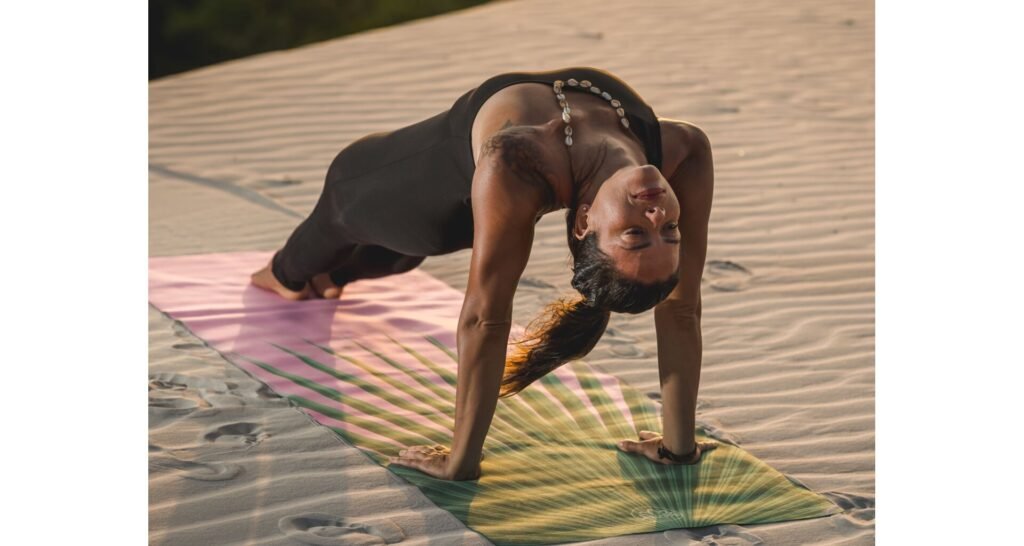
Microfiber mats, often called “Alignment Mats” or “Yoga Towels”, feature a fabric top layer bonded to a rubber or TPE base. These were specifically designed for high-intensity, high-sweat environments.
The Pros:
- Ultra-Absorbent: These mats act like a sponge. In a humid Yin-to-Vin session or a breathwork workshop where body temperature rises, the microfiber layer locks in moisture.
- Washable: Most microfiber tops are easier to deep-clean than solid rubber, which is a major plus in the tropics.
- Soft Texture: For those with sensitive skin or joints, the fabric top provides a comfortable, non-abrasive surface.
The Cons:
If your hands are completely dry, microfiber can actually feel slippery. Many teachers at ADDA YOGA suggest lightly misting a microfiber mat with water before starting your practice to “activate” the grip.
Comparative Analysis: Which One Should You Choose?
| Feature | Natural Rubber | Cork | Microfiber |
| Grip Type | Best Dry Grip | Best Wet Grip | Best for Heavy Sweat |
| Durability | High (Avoid Sun) | High | Medium |
| Hygiene | Requires deep clean | Naturally antimicrobial | Easy to surface wash |
| Portability | Heavy | Moderate | Light to Moderate |
The ADDA YOGA Perspective: Alignment and Safety
At our holistic center in Bali, we observe hundreds of practitioners every month. We’ve found that the “best” mat often depends on your specific practice style.
- For Vinyasa and Ashtanga: We recommend Natural Rubber. The instant traction allows for seamless transitions between asanas without the fear of slipping during a jump-back.
- For Yin and Restorative: Cork is an excellent choice. The natural warmth of the material and its antimicrobial properties make it a comfortable companion for long-held poses on the floor.
- For Sound Healing and Meditation: Comfort is king. A Microfiber mat or a thick rubber mat provides the necessary cushion to support the spine during extended periods of Savasana.
Essential Care Tips for Bali Yoga Mats
Regardless of the material you choose, the Bali environment requires a specific maintenance routine to ensure your gear lasts:
- Never Leave Your Mat in the Sun: High heat will degrade rubber and cause cork to crack.
- The Tea Tree Solution: Create a DIY spray with distilled water and a few drops of tea tree or lavender oil. These essential oils are natural antifungals—essential for tropical maintenance.
- Air Dry Completely: Never roll up a damp mat. Let it air dry in a shaded, well-ventilated area to prevent “sour” smells.
FAQ: What Search Engines Want to Know
💦
Which yoga mat is best for sweaty hands in a humid climate?
Cork and Microfiber mats are the best performers for sweaty hands. Cork contains suberin, which increases traction when exposed to moisture. Microfiber mats act as a built-in towel, absorbing sweat to prevent pooling on the surface.
🧼
How do I stop my yoga mat from smelling in the tropics?
The smell is caused by bacteria trapped in the mat’s pores. Use an antimicrobial cleaner and ensure the mat is 100% dry before rolling. For persistent odors, a cork mat is the best preventative choice due to its natural resistance to mold and mildew.
🧘
Is a thick or thin yoga mat better for Bali?
A 5mm to 6mm mat is ideal. While thinner travel mats, 1–2mm, are easier to carry on a scooter, they offer less protection against the hard floors common in many tropical shalas. A medium-thickness mat provides better joint support during daily practice.
🏋️
Can I use a regular gym mat for yoga in Bali?
It is not recommended. Gym mats are usually made of closed-cell foam designed for shoes. They lack the specialized grip required for barefoot balance and can become extremely slippery and dangerous when exposed to Bali’s humidity.
Finding Your Foundation
Choosing a mat is a personal journey, much like the practice of yoga itself. At ADDA YOGA Bali, we believe that your equipment should empower your practice, allowing you to focus entirely on your breath and alignment rather than your grip.
Whether you are joining us for a specialized workshop, a daily class, or a professional teacher training, having the right foundation under your feet makes all the difference. Visit us in Canggu to experience how the right environment and the right tools come together to elevate your wellness journey.