The decision to enroll in a 200-hour Yoga Teacher Training (YTT) is a pivotal moment in any practitioner's life. It represents a shift from being a student who simply "attends class" to a seeker who wishes to understand the "why" behind the movement.However, a common wave of "imposter syndrome" often hits potential trainees. You might …
The decision to enroll in a 200-hour Yoga Teacher Training (YTT) is a pivotal moment in any practitioner’s life. It represents a shift from being a student who simply “attends class” to a seeker who wishes to understand the “why” behind the movement.
However, a common wave of “imposter syndrome” often hits potential trainees. You might ask yourself: “Am I flexible enough?” “Do I need to know the Sanskrit names of every pose?” or “What if I’ve only been practicing for six months?”
At ADDA YOGA Bali, we see students from all walks of life enter our shala. Our experience as a holistic center and school has shown us that physical mastery is rarely the determining factor for success. Instead, it is a combination of foundational consistency and a “beginner’s mind.”
In this guide, we will break down exactly what level of experience you need to thrive in a Bali YTT, how to prepare your body and mind, and why your current “limitations” might actually be your greatest teaching assets.
1. The Myth of the “Perfect” Yoga Body
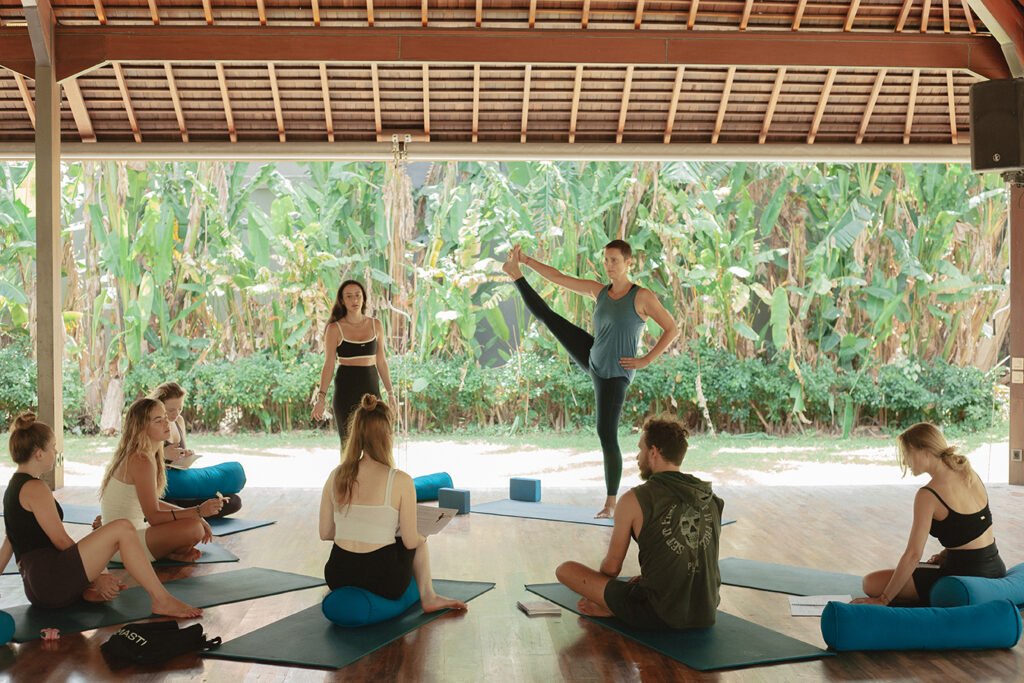
One of the biggest misconceptions in the wellness industry is that you must be able to perform a handstand or touch your toes with ease before you can teach.
The Reality: Yoga is not gymnastics. A 200-hour YTT is an entry-level professional qualification. Its purpose is to teach you the biomechanics, anatomy, and alignment required to get into those poses safely.
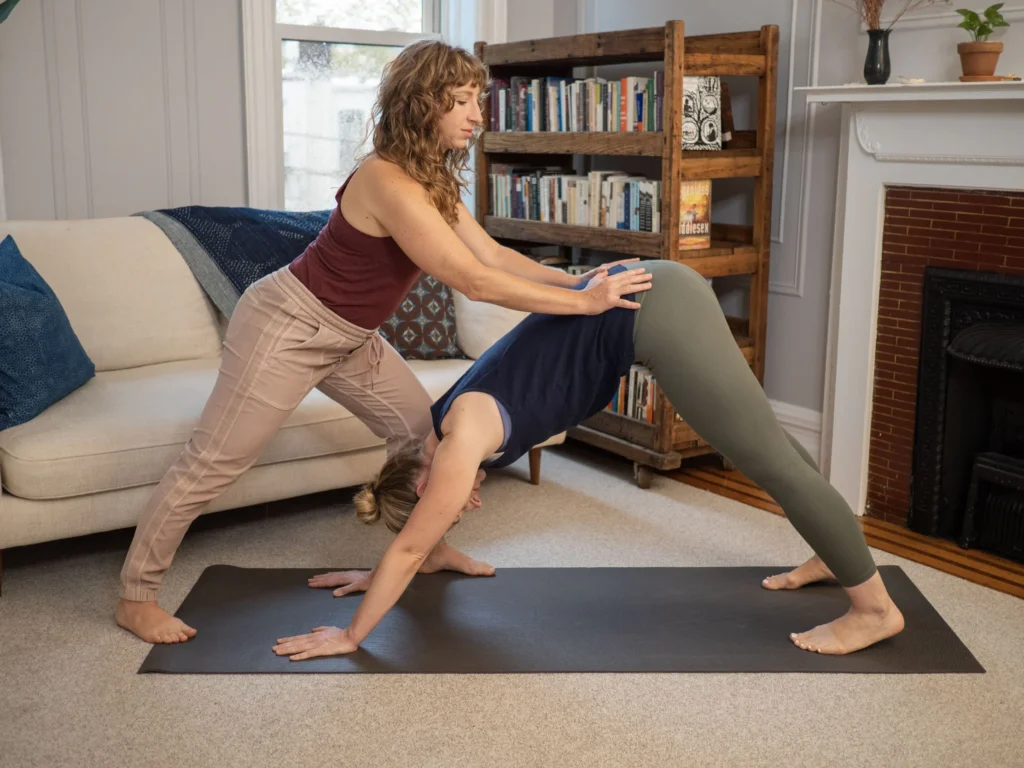
If you are already “perfect” at every asana, you may actually find it harder to relate to your future students. A teacher who has struggled with tight hamstrings or sensitive wrists often has a much deeper understanding of how to use props like blocks and bolsters effectively.
2. Minimum Time on the Mat: A General Benchmark
While there is no “official” industry rule, most reputable schools, including those registered with Yoga Alliance, recommend a consistent practice of 6 months to 2 years before diving into a 200-hour intensive.
Why 6 Months?
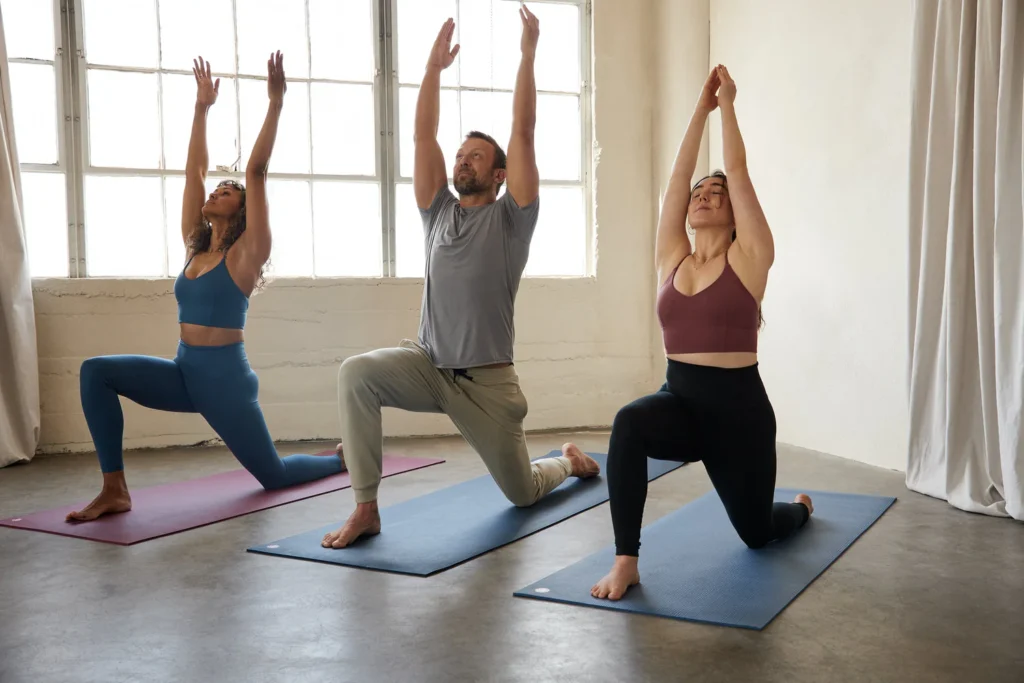
- Muscle Memory: You should be familiar with basic foundational poses, such as the Sun Salutations, Warrior series, and basic seated twists, so that you aren’t struggling to find your feet while the lead trainer is explaining complex anatomy.
- Internal Awareness: You should have a basic grasp of Proprioception — the ability to sense where your body is in space without looking in a mirror.
- Stamina: A Bali YTT is physically demanding. Practicing for at least six months ensures your joints and nervous system are conditioned for the “Yoga Intensive” load.
3. The “Lego Method” of Learning: Building Your Foundation
At ADDA YOGA Bali, we often look at learning through a structured lens. Think of your pre-YTT knowledge as the “baseplate.” You don’t need the whole castle built yet, but you need a steady surface.
What should be on your “Baseplate”?
- Breath Awareness (Pranayama): You don’t need to master Kumbhaka, or breath retention, but you should be able to maintain a steady Ujjayi breath throughout a 60-minute class.
- Terminology: Knowing the difference between a “flexed” and “pointed” foot, or “internal” versus “external” rotation of the hip, will save you a lot of mental energy during alignment labs.
- Core Concepts: A basic understanding that Yoga is more than just a workout. Familiarity with the idea of the Eight Limbs of Yoga, even if you can’t name them all yet, shows that you are ready for the philosophical depth of a training.
4. Preparing for the “Physical Load”
A 200-hour training in Bali usually lasts between 21 to 28 days. During this time, you will likely be practicing Asana for 3 to 4 hours a day. This is a significant jump from a standard studio schedule.
To prepare, we recommend:
- Increasing Frequency, Not Intensity: Instead of doing 90-minute “Power” classes, try practicing for 30–45 minutes daily. This builds the habit of showing up on the mat every single day.
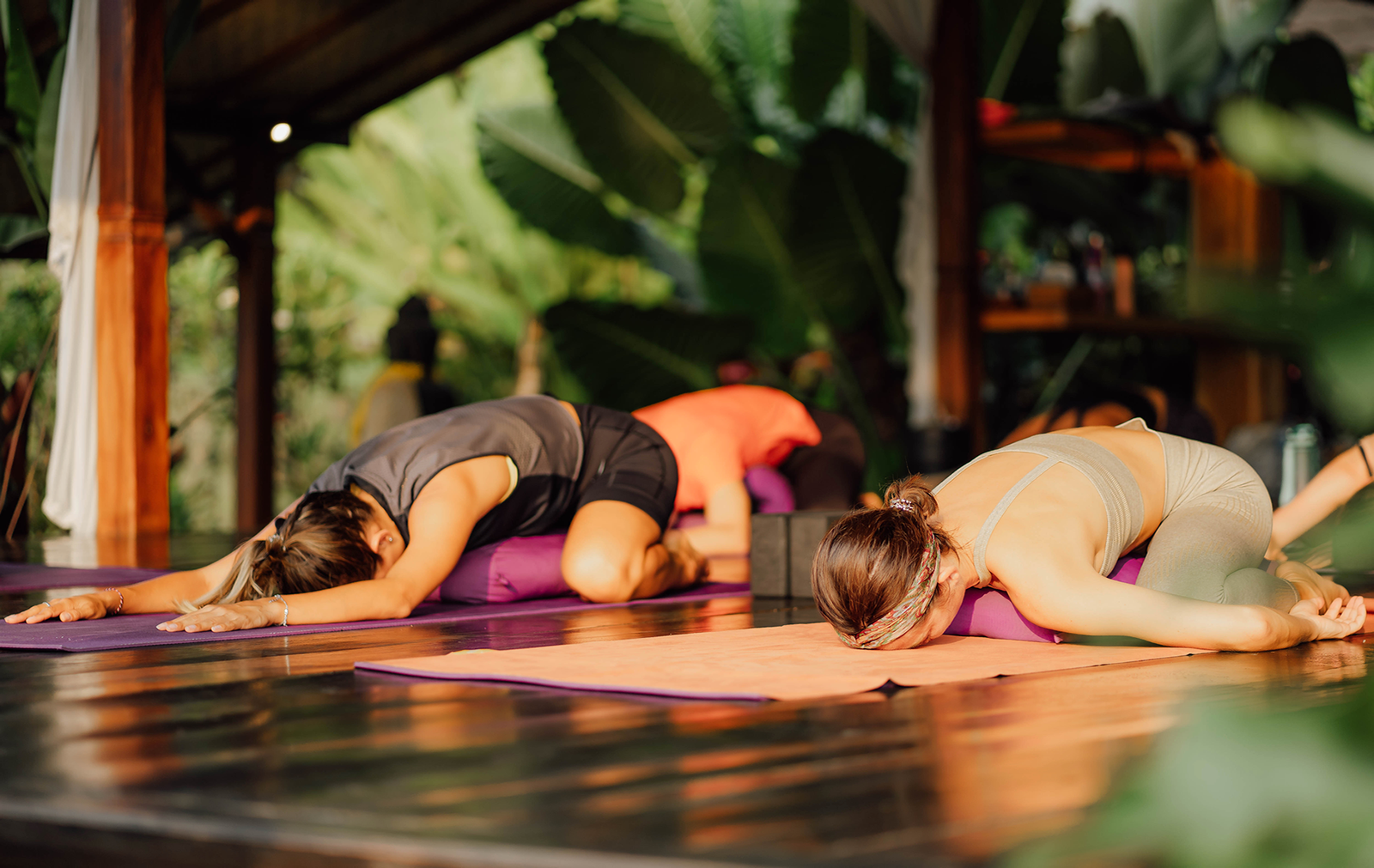
- Incorporate Yin Yoga: Many trainees burn out because they only focus on “Solar” active styles. Start incorporating Yin or Restorative Yoga into your routine now. This trains your connective tissues and teaches your nervous system how to down-regulate — a skill that is vital during the emotional “peaks and valleys” of a YTT.

5. The Intellectual and Spiritual Readiness
Before your YTT, spend some time reading. You don’t need to be an expert, but having a copy of The Yoga Sutras of Patanjali or The Hatha Yoga Pradipika on your bedside table is a great start. At our holistic center, we find that the most successful students are those who arrive with questions, not just answers.
6. Why Choose Bali for Your Foundation?
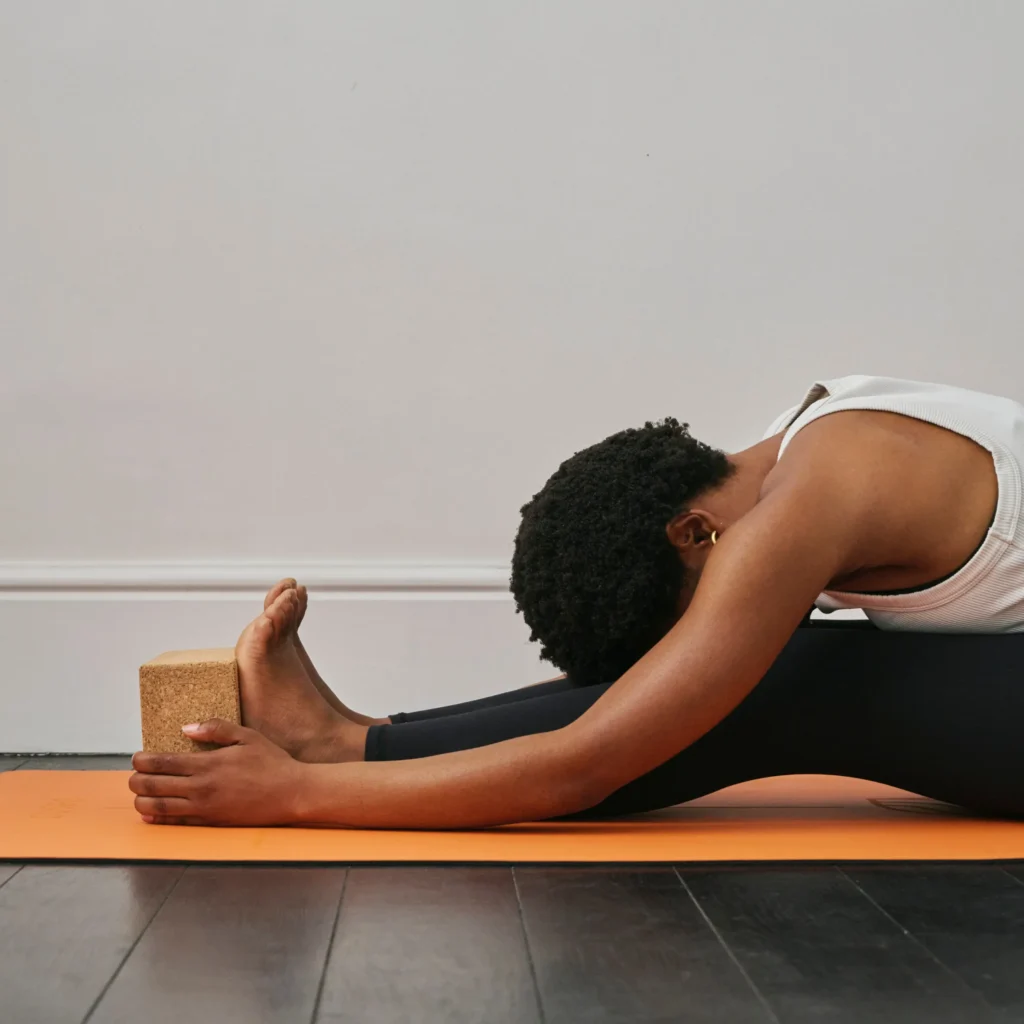
Bali, specifically areas like Canggu and Ubud, has become a global hub for wellness for a reason. The “Genius Loci” spirit of the place is steeped in devotion. When you study here, you aren’t just learning at a school; you are immersed in a culture where spirituality, sound healing, and community are woven into daily life.
By choosing a comprehensive school that offers a variety of styles—from Vinyasa and Hatha to Kundalini—you ensure that your 200-hour foundation is broad and inclusive.
7. How to Tell If You Are Ready
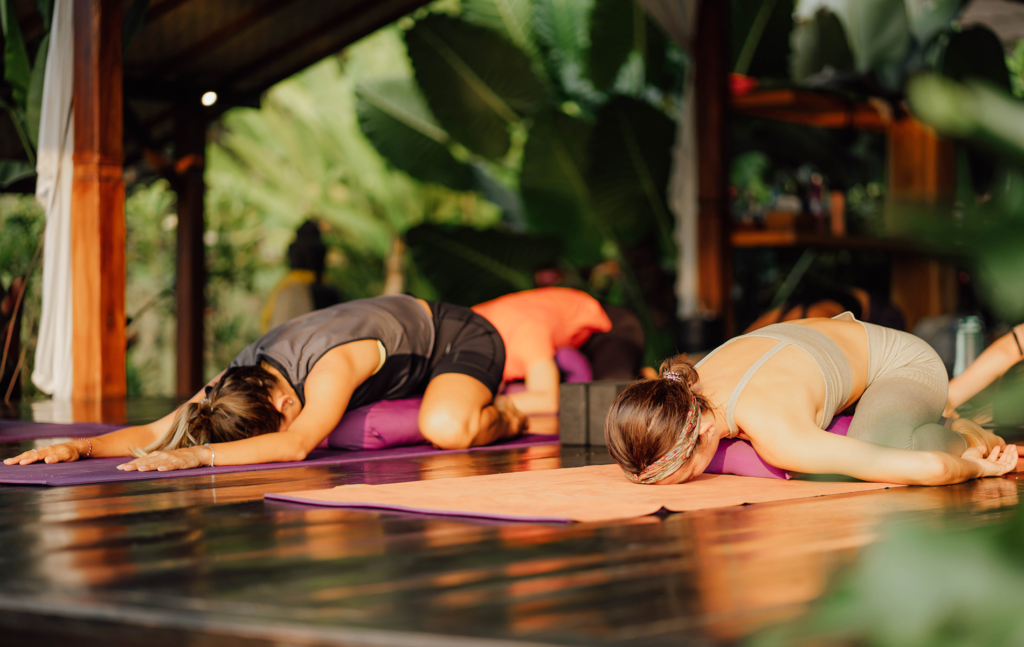
If you can answer “Yes” to these three questions, you are ready to book your flight:
- Can I sit still for 20 minutes? Not necessarily in meditation, but can you tolerate the stillness of a lecture or a long Savasana?
- Am I open to being corrected? A YTT requires leaving your ego at the door.
- Do I have a “Why”? Whether you want to change careers or simply deepen your personal practice, having a clear intention will sustain you when the training gets tough.
Frequently Asked Questions (FAQ)
🤸
Do I need to be flexible to start a YTT?
Absolutely not. Flexibility is a byproduct of yoga, not a prerequisite. In fact, being “too flexible” can sometimes lead to joint instability. A YTT will teach you how to build the strength and stability necessary to support your range of motion.
🧘
Can I take a 200-hour YTT as a beginner?
While “total beginners” — people who have never stepped on a mat — might find the pace overwhelming, “advanced beginners” are welcome. If you have a few months of consistent practice and a healthy level of physical fitness, you can successfully navigate a 200-hour course.
🎓
What is the difference between a 200-hour and a 300-hour YTT?
A 200-hour YTT is the foundational “undergraduate” degree of the yoga world. It covers the basics of everything. A 300-hour YTT is an advanced training taken after you have completed your 200-hour, focusing on specialized niches like Yoga Therapy, advanced sequencing, or specific breathwork modalities.
📘
Is Sanskrit required for Yoga Teacher Training?
You do not need to speak Sanskrit fluently. Most trainings will teach you the primary names of the poses, such as Adho Mukha Svanasana for Downward Facing Dog, and a few key philosophical terms.
🌴
How do I choose the right school in Bali?
Look for a school that offers a holistic approach. Ensure they are a registered school and check if their curriculum includes more than just physical exercise — look for anatomy, philosophy, and specialized sessions like Sound Healing or Breathwork to ensure a well-rounded education.
Summary Table: Readiness Checklist
| Category | Recommended Level | Why? |
| Physical Practice | 6+ months of consistent classes | To ensure joint and muscle conditioning. |
| Flexibility | Any level | You will learn to work with your unique anatomy. |
| Philosophy | Basic curiosity | Familiarity with the concept of “Mindfulness.” |
| Stamina | Ability to be active 3-4 hours/day | To handle the “Yoga Intensive” load. |
| Mindset | The “Beginner’s Mind” | Crucial for absorbing new alignment cues and ethics. |