The journey into a Yoga Teacher Training (YTT) is often described as a transformative rite of passage. Whether you are in the lush tropics of Bali or a quiet corner of the world, the transition from a casual practitioner to a trainee is a significant leap. However, many students enter the shala unprepared for the …
The journey into a Yoga Teacher Training (YTT) is often described as a transformative rite of passage. Whether you are in the lush tropics of Bali or a quiet corner of the world, the transition from a casual practitioner to a trainee is a significant leap. However, many students enter the shala unprepared for the sheer physical and mental intensity of a 200-hour or 300-hour immersion.
At ADDA YOGA Bali, we believe that true mastery begins with sustainability. To help you navigate this intensive experience without reaching the point of exhaustion, we’ve broken down the physical load of a YTT and how you can safeguard your well-being through mindful preparation and recovery.
What is a ‘Yoga Intensive’ Physical Load?
In a standard studio setting, you might practice for 60 to 90 minutes, three or four times a week. In a Yoga Teacher Training, that volume often triples. A typical day involves:
- Asana Practice: Often 3–4 hours of physical movement daily, split between morning Vinyasa and afternoon Yin or Hatha.
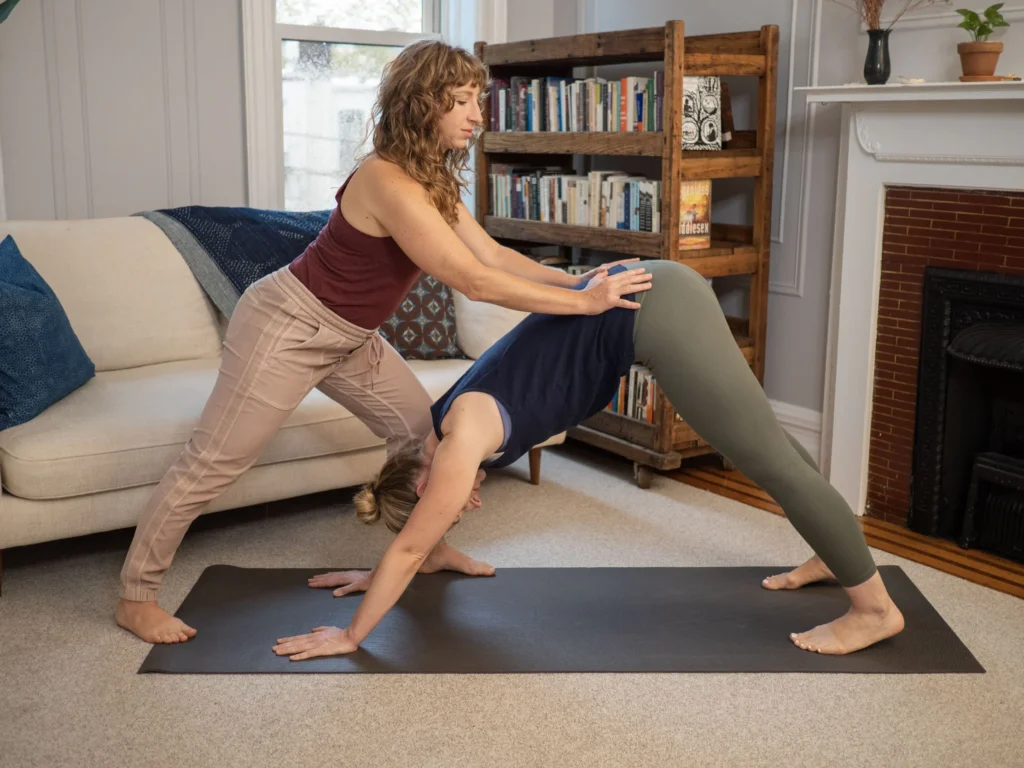
- Anatomy & Alignment Labs: Hours spent standing, adjusting others, or holding postures to analyze skeletal engagement.
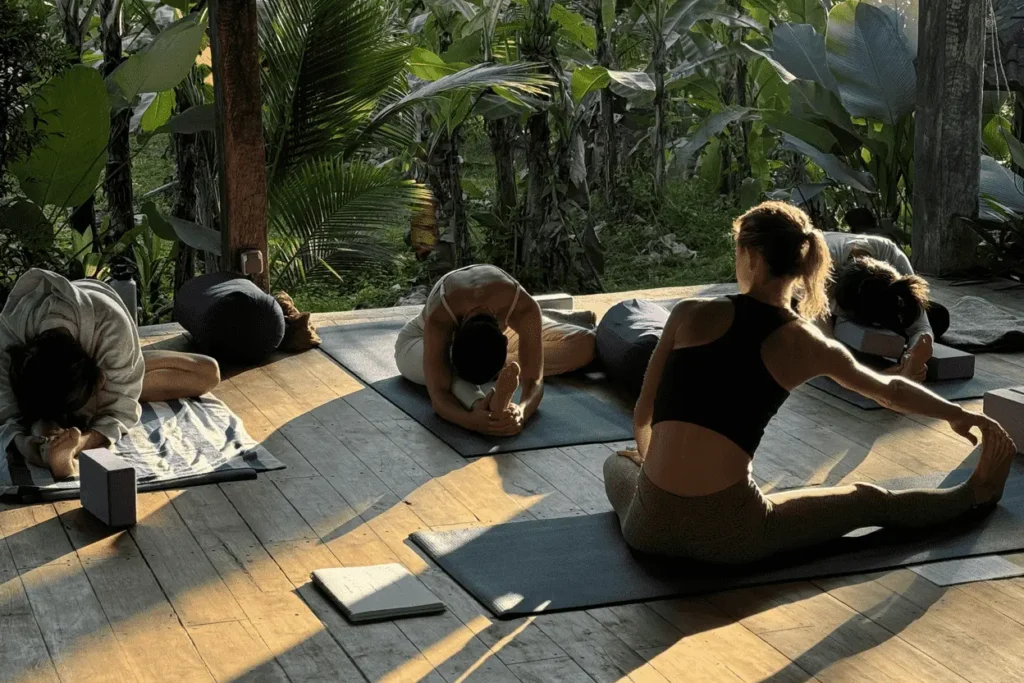
- Active Sitting: Spending 4–5 hours on a floor cushion during philosophy and Sanskrit lectures, which can strain the lower back and hip flexors.
This cumulative load creates a “training effect” that can lead to rapid progress, but it also places a high demand on your central nervous system, or CNS.
The Stages of Physical Fatigue in YTT
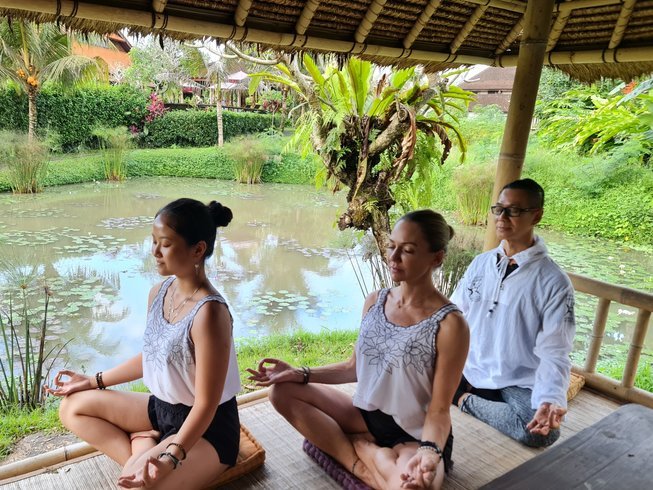
Understanding the signs of burnout before they manifest as an injury is crucial for any aspiring teacher.
1. The Honeymoon Phase (Days 1–4)
Adrenaline is high. You are meeting new friends and soaking in the Balinese energy. Your body feels flexible, and you might push yourself too hard in the morning Vinyasa flows.
2. The Cumulative Load (Days 5–12)
This is the “danger zone.” Muscles begin to feel heavy due to delayed onset muscle soreness, or DOMS. Minor aches in the wrists, hamstrings, or shoulders may appear. This is where most students risk overstretching because their nervous system is too fatigued to provide accurate feedback.
3. The Integration Phase (Days 13–Finish)
If you have managed your energy well, your body begins to adapt. Your stamina increases, and your mind settles into the rhythm of the training.
Strategies to Prevent Burnout During Your Training
Prioritize “Active Recovery”
Recovery isn’t just about sleep; it’s about down-regulating the nervous system. While Bali offers many adventures, during a YTT, your rest days should be dedicated to stillness. Incorporating Proprioceptive Neuromuscular Facilitation (PNF) stretching or utilizing Sound Healing sessions can help lower cortisol levels and repair muscle tissue more efficiently than simply sitting at a cafe.
Nutrition and Hydration
The Balinese heat adds an extra layer of physical stress. It is not enough to drink water; you must replenish electrolytes. Focus on anti-inflammatory foods. Integrating traditional Balinese Jamu, a turmeric and ginger tonic, can be a powerful natural way to manage systemic inflammation caused by the high volume of Asana.
Mindful Sequencing
When you are on the mat for the fourth hour of the day, listen to your “edge.” A YTT is not a competition of who can hold the longest handstand; it is a study of the self. Utilizing props—blocks, bolsters, and straps—is not a sign of weakness but a mark of an advanced practitioner who understands biomechanics and joint longevity.
Strengthening Your Authority: The ADDA YOGA Approach
As a holistic center and school, we emphasize that a teacher’s greatest tool is their own vitality. At ADDA YOGA Bali, our curriculum is designed to balance the solar active and lunar restorative energies. We integrate traditional Hatha and Vinyasa with the cooling science of Yin Yoga and Breathwork to ensure that our students leave feeling empowered rather than depleted.
Whether you are training with us or elsewhere in the world, remember that the goal of yoga is Chitta Vritti Nirodha, the stilling of the mind. If your body is in a state of high-stress burnout, the mind cannot find stillness.
The Role of Holistic Wellness in Recovery
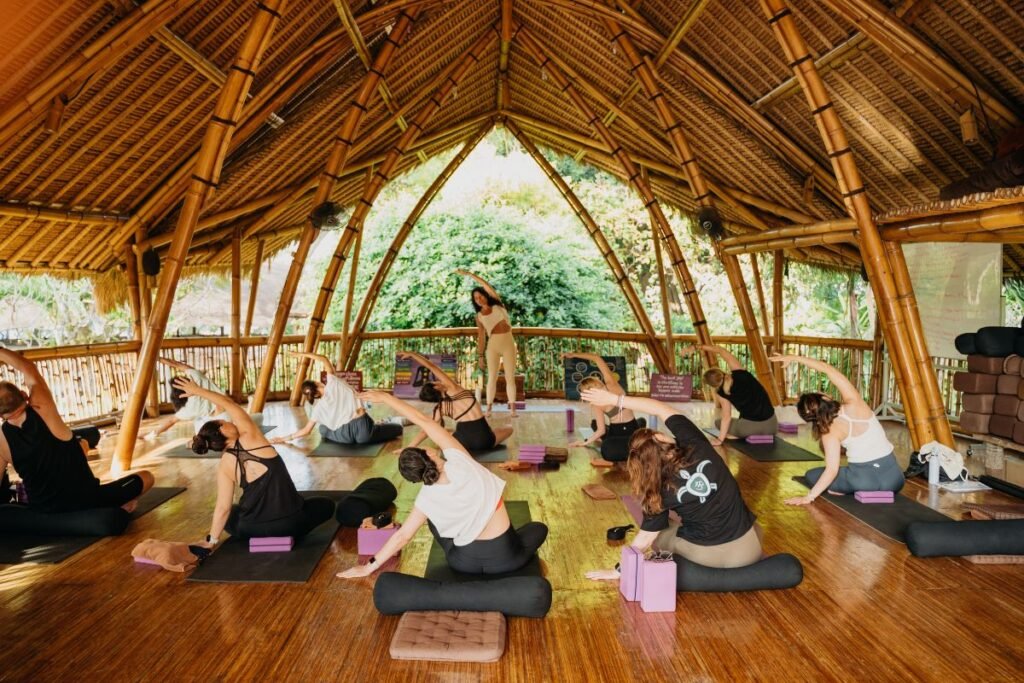
To support the heavy physical load of an intensive, we recommend integrating various wellness modalities:
- Breathwork (Pranayama): Slowing down the breath signals to the brain that the body is safe, moving you from the “fight or flight” sympathetic state to the “rest and digest” parasympathetic state.
- Myofascial Release: Using therapy balls to target trigger points in the glutes and shoulders can alleviate the tension built up from hours of practice.
- Restorative Yoga: Unlike Yin, which targets connective tissue, Restorative Yoga is about total relaxation. It is a vital counter-balance to a rigorous YTT schedule.
Final Thoughts: The Sustainable Path
Becoming a yoga teacher is a marathon, not a sprint. By understanding the physical load of a yoga intensive, you can approach your YTT with a strategy that honors your body’s limits while expanding your potential. Protect your energy, nourish your body, and remember that the most “advanced” pose is the one where you are most present.
Frequently Asked Questions (FAQ)
🧘
How do I prepare my body for a 200-hour YTT?
Start increasing your practice frequency 2–3 months before your start date. Focus on building core stability and wrist strength. We also recommend incorporating at least one Yin session per week to improve the resilience of your connective tissues.
⚠️
What are the signs of burnout during a yoga teacher training?
Common signs include persistent fatigue that doesn’t go away after sleep, irritability, a sudden loss of flexibility due to muscle guarding, and difficulty concentrating during philosophy lectures.
⏰
How many hours of yoga do you do a day in YTT?
Most intensives involve 3 to 4 hours of physical practice. This is usually split into a high-intensity morning session and a more technical or restorative afternoon session.
🩹
Can I do a YTT if I have a pre-existing injury?
Yes, but communication is key. An authoritative school will help you modify poses. In fact, learning to practice with an injury can make you a more empathetic and skilled teacher, as you’ll deeply understand the mechanics of modifications.
😴
Why am I so tired during my yoga training in Bali?
The combination of high humidity, intense physical activity, and deep emotional processing, which often happens in YTT, can drain your energy. Ensure you are increasing your intake of minerals and prioritizing 8 hours of sleep.
Optimize Your Practice at ADDA YOGA Bali
Looking for a place to deepen your journey? Discover our range of
Yoga Teacher Trainings and Holistic Workshops
designed for the modern practitioner seeking authentic, sustainable growth in the heart of Bali.
Contact us at +62 878 1553 9543
to know more about how to prepare for your YTT in Bali and for practising with us in preparation for your training!